In today’s fast-evolving world, STEM education—Science, Technology, Engineering, and Mathematics—has become more than just a curriculum choice; it’s a launchpad for future innovators, problem-solvers, and global leaders. With rapid technological advancements, the demand for STEM skills is skyrocketing across industries, making it essential for students, educators, and parents to understand how to harness the full potential of STEM education. This comprehensive guide dives into breakthrough tactics for navigating the STEM education landscape, ensuring students not only survive but thrive in their academic and professional journeys.
Why STEM Education Is the Key to a Bright Future
STEM education equips students with skills essential for the 21st century: critical thinking, problem-solving, creativity, collaboration, and digital literacy. Its benefits extend beyond academics:
-
Career Opportunities – STEM careers are among the fastest-growing globally, often offering higher-than-average salaries.
-
Innovation and Entrepreneurship – Knowledge in STEM fields fuels innovation, from tech startups to scientific breakthroughs.
-
Global Competitiveness – Countries investing in STEM education produce a workforce capable of leading in technology and research.
-
Real-World Problem Solving – STEM encourages practical thinking, enabling students to tackle complex societal challenges.
Breakthrough Tactic #1: Early Exposure and Hands-On Learning
One of the most effective ways to prepare students for a STEM future is early exposure. Introducing STEM concepts during elementary and middle school cultivates curiosity and builds foundational skills.
How to Implement:
-
Interactive Experiments – Science kits, coding robots, and simple engineering projects make learning tangible.
-
Math in Daily Life – Demonstrate how mathematics applies to shopping, cooking, or budgeting to spark interest.
-
Field Trips – Visits to science museums, technology companies, and research labs provide real-world context.
Early exposure allows students to develop confidence and passion for STEM subjects before high school specialization.
Breakthrough Tactic #2: Integrating Technology in Learning
Technology is the backbone of modern STEM education. Leveraging digital tools enhances engagement and prepares students for tech-driven careers.
Practical Strategies:
-
Coding and Programming – Platforms like Scratch, Python, and Java introduce logic, problem-solving, and creativity.
-
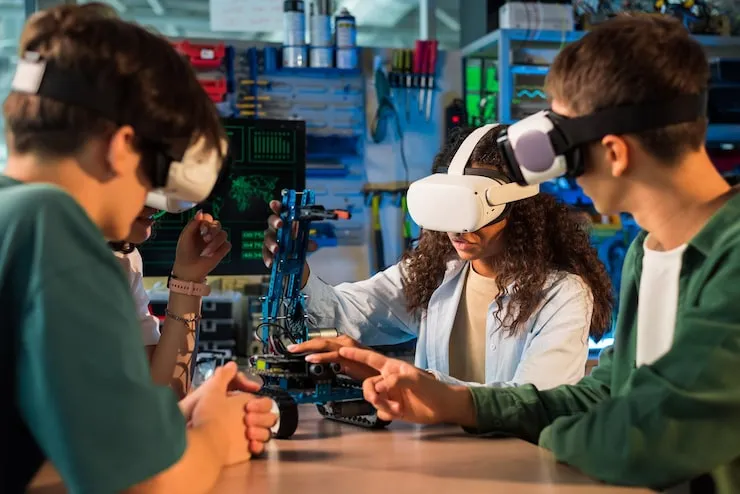
Virtual Labs and Simulations – Virtual reality (VR) and simulation software let students conduct experiments safely and cost-effectively.
-
Educational Apps – Apps for math, physics, and chemistry encourage self-paced learning and reinforce concepts.
Blending traditional teaching methods with technology fosters a more dynamic, personalized, and interactive learning experience.
Breakthrough Tactic #3: Project-Based Learning
Project-based learning (PBL) transforms abstract concepts into real-world applications, bridging the gap between theory and practice.
Examples of Effective STEM Projects:
-
Robotics Challenges – Students design, build, and program robots to complete tasks, enhancing engineering and coding skills.
-
Renewable Energy Projects – Solar-powered vehicles or small wind turbines teach students about sustainability and innovation.
-
Data Analysis Projects – Collecting and analyzing local environmental or social data introduces statistics and critical thinking.
PBL develops teamwork, leadership, and problem-solving skills while keeping students engaged and motivated.
Breakthrough Tactic #4: Encouraging Interdisciplinary Learning
STEM does not exist in isolation. Integrating it with arts, social sciences, and humanities—sometimes called STEAM (adding “Arts”)—produces well-rounded innovators.
How Interdisciplinary Learning Helps:
-
Enhances Creativity – Artistic thinking complements analytical reasoning, leading to more innovative solutions.
-
Promotes Communication – Understanding social contexts and human behavior improves the practical application of STEM ideas.
-
Boosts Collaboration – Team projects combining technical and creative skills reflect real-world workplace dynamics.
A holistic approach ensures students are not only technically skilled but also adaptable and empathetic problem-solvers.
Breakthrough Tactic #5: Mentorship and Role Models
Mentorship is crucial for guiding students through the STEM journey. Role models inspire persistence, spark curiosity, and provide practical insights.
Ways to Integrate Mentorship:
-
STEM Clubs and Competitions – Mentors guide students in robotics, coding, or science fairs.
-
Industry Partnerships – Collaborations with tech companies, labs, and universities expose students to career paths.
-
Peer Mentoring – Older students mentor younger ones, reinforcing learning while fostering community.
Mentorship creates a supportive ecosystem where students gain confidence and clarity about STEM career opportunities.
Breakthrough Tactic #6: Fostering Growth Mindset
A growth mindset—the belief that abilities can improve through effort—is vital for STEM success. Students with a growth mindset embrace challenges, persist through failure, and seek solutions.
Strategies to Encourage Growth Mindset:
-
Celebrate Effort, Not Just Results – Recognize the process of learning and problem-solving.
-
Encourage Reflection – Students analyze mistakes and identify areas for improvement.
-
Provide Incremental Challenges – Gradually increase project complexity to build resilience and competence.
Cultivating a growth mindset ensures that students see obstacles as opportunities, not setbacks.
Breakthrough Tactic #7: Gamification of STEM Learning
Gamification makes learning enjoyable while reinforcing concepts through repetition and competition.
Gamification Techniques:
-
Coding Competitions – Platforms like Code.org and Tynker use game mechanics to teach programming.
-
Science and Math Quests – Reward systems for completing experiments, solving puzzles, or achieving milestones.
-
Virtual STEM Challenges – Multiplayer games that simulate engineering or scientific problems encourage collaboration.
Gamification increases engagement, motivation, and retention of STEM concepts.
Breakthrough Tactic #8: Promoting Inclusivity in STEM
Equitable access to STEM opportunities ensures diversity and innovation in the future workforce.
Ways to Promote Inclusivity:
-
Scholarships and Grants – Target underrepresented groups in STEM with financial support.
-
Diverse Role Models – Showcase scientists, engineers, and innovators from varied backgrounds.
-
Accessible Learning Tools – Ensure digital resources, labs, and projects accommodate different learning needs.
A diverse STEM ecosystem fosters creativity, broadens perspectives, and reflects real-world challenges.
Breakthrough Tactic #9: Real-World Connections
STEM education becomes meaningful when students see its impact on society. Real-world applications enhance understanding and motivation.
Examples of Real-World STEM Connections:
-
Environmental Projects – Studying local ecosystems or water quality teaches practical science.
-
Community Tech Solutions – Developing apps or devices to address local problems reinforces problem-solving.
-
Healthcare and Biotechnology Initiatives – Engaging in medical research projects introduces students to critical STEM careers.
Connecting learning to tangible outcomes increases relevance, interest, and long-term retention.
Breakthrough Tactic #10: Continuous Professional Development for Educators
For students to excel, teachers and educators must be well-equipped with STEM knowledge and innovative teaching techniques.
Key Approaches:
-
Workshops and Certifications – Keep educators updated on latest tools, technology, and pedagogical methods.
-
Collaborative Learning Networks – Share strategies, lesson plans, and success stories with peers.
-
Industry Exposure – Teachers visiting labs or tech companies can integrate real-world insights into classrooms.
Empowered educators directly influence the quality of STEM education and student outcomes.
The Role of Government and Policy in STEM Growth
Government initiatives and policies play a vital role in shaping the future of STEM education. Supportive measures include:
-
Funding STEM Programs – Grants, scholarships, and research funding expand opportunities.
-
Curriculum Standardization – Ensures consistent STEM learning outcomes across schools.
-
Public-Private Partnerships – Collaboration between educational institutions and industries fosters innovation and internships.
-
STEM Awareness Campaigns – Promote STEM careers, especially among underrepresented groups.
Effective policies create a structured, sustainable framework for students and educators to thrive.
Real-Life Success Stories
Consider some inspiring examples:
-
High School Robotics Team Wins International Award – Students applied coding, engineering, and teamwork to create a robot that solved real-world tasks.
-
Student-Led Solar Initiative in Community – High school students designed solar-powered devices to support local schools, demonstrating practical application of STEM learning.
-
Young Coders Create Educational App – A team of middle school students developed an app to teach younger students math and science concepts through games.
These stories illustrate how STEM education can translate into tangible innovation and community impact.
Common Challenges and How to Overcome Them
-
Limited Resources – Use online tools, low-cost kits, and community partnerships.
-
Student Disinterest – Make STEM relatable through real-world projects and gamification.
-
Gender and Diversity Gaps – Provide mentorship, scholarships, and inclusive curricula.
-
Rapid Technology Changes – Encourage lifelong learning and teacher professional development.
-
Balancing Theory and Practice – Integrate project-based learning and hands-on experiments.
Overcoming these challenges ensures that students are prepared for an evolving STEM landscape.
Final Thoughts: Aiming Bright With STEM
The future belongs to students equipped with the skills to innovate, problem-solve, and adapt. By implementing breakthrough tactics—early exposure, hands-on learning, technology integration, project-based and interdisciplinary learning, mentorship, gamification, inclusivity, real-world connections, and continuous educator development—students can aim bright with a STEM education that prepares them for the challenges and opportunities of tomorrow.
STEM education is more than textbooks and exams; it’s about curiosity, creativity, and applying knowledge to make the world better. With the right strategies, tools, and support, every student has the potential to thrive in the STEM-driven future.
Start today. Inspire curiosity, foster innovation, and empower students to embrace a future full of possibilities. The next generation of scientists, engineers, innovators, and problem-solvers is waiting.