Ever felt stuck at your job because going back to school just isnt possible? Bills, kids, worklife gets in the way. But what if you could earn a legit degree without quitting your day jobor touching your savings? Heres the good news: you can with a free distance learning degree. No commute. No crazy tuition. And yes, you actually learn useful stuff.
What Is a Free Distance Learning Degree?
This isnt a scam or some fake paper. A free distance learning degree means you earn a real qualification by studying online, from home, and you dont pay tuition. Some places are open universities. Others are programs that get funding so you dont have to reach for your wallet every semester. Its college on your terms but without the price tag.
- All classes and materials are online
- You set your schedule
- No travel or dorm costs
- Most are fully accredited
The catch? You might pay for test fees or graduation paperwork. Still, thats pennies compared to regular college costs.
Who Should Consider a Distance Learning Program?
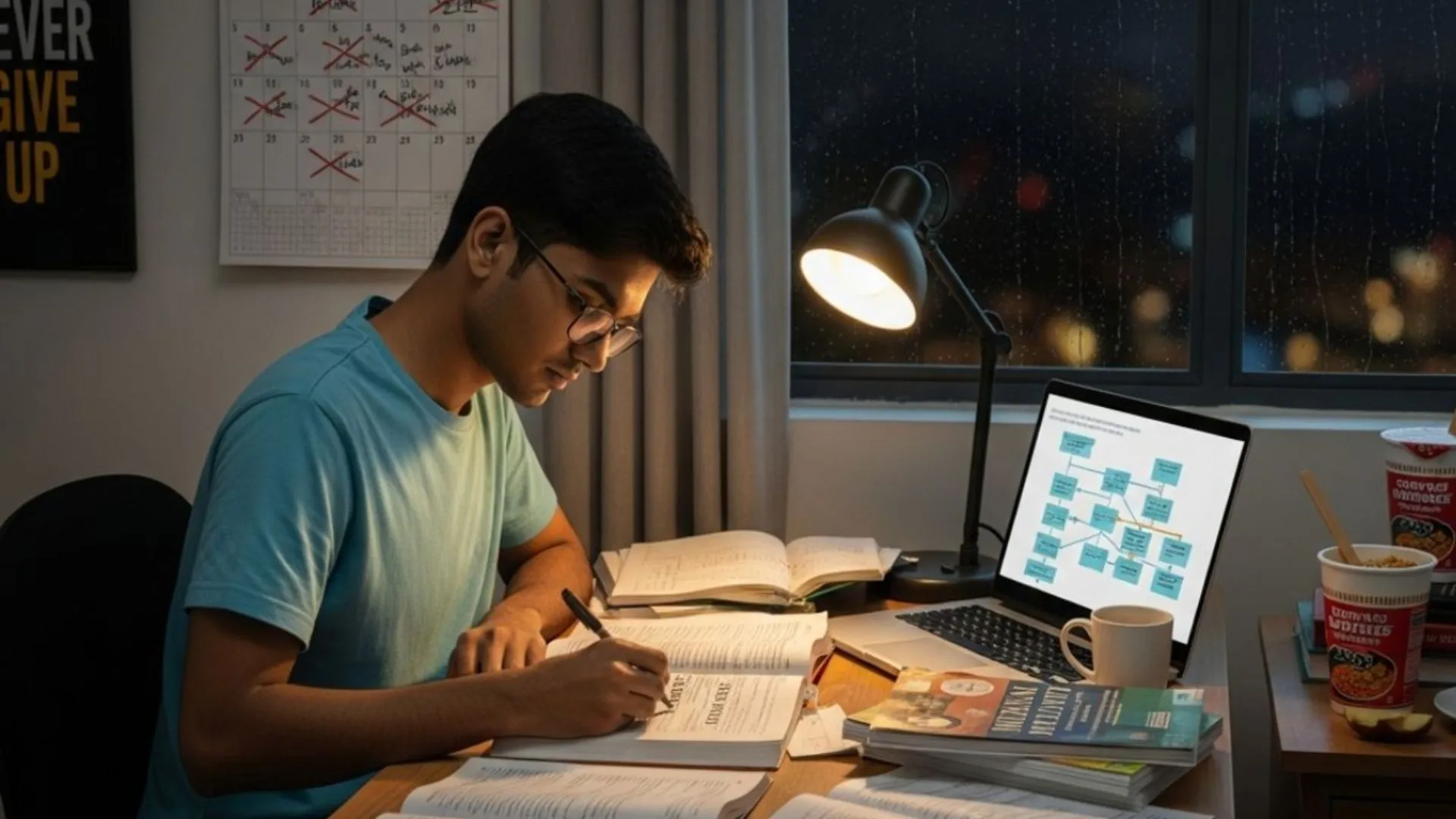
If your life is already fullwork, family, or bothremote education is perfect. Maybe you need a degree to get a promotion, or you want to switch fields. Maybe you just love learning. No matter your reason, a distance learning program can fit even the busiest life.
- Parents who need to study after the kids go to bed
- Full-time employees chasing promotion
- People stuck at home (caring for family, living in remote areas)
- Anyone who wants to upskill but doesnt want debt
I once coached a friend who worked nights. He earned a degree online and switched careers in under two years. No jokehe doubled his salary just by having that diploma for his next interview.
How Do Free Online Degrees Actually Work?
Most distance learning programs have one thing in common: flexibility. You get videos, readings, quizzes, and sometimes live sessions. You finish them when you can. Some programs have set deadlines; others let you move at your own pace. Usually, you need to:
- Apply online (most have simple forms)
- Provide old school transcripts or resumes
- Pick your classes or degree path
- Start attending virtual lessons or watching recorded lectures
Assignments get uploaded online. Youll talk to professors and classmates in forums or video calls. Tests might be proctored using your webcam (so dont daydream too long!).
Common Mistakes People Make with Online Degrees
Doing college from your couch sounds easy, but it still takes effort. Here are the traps that trip people up:
- Underestimating the time it takes (Yes, you still need to study!)
- Ignoring deadlines (If the class has them, missing just one can put you way behind)
- Believing "free" means zero cost (Sometimes there are admin or exam feesask up front)
- Choosing unaccredited programs (Always check if the school is legit before applying)
The first time I tackled an online course, I didnt plan my schedule and crammed for everything. I barely passed. Now I block out my study timetrust me, it makes everything less stressful.
How to Tell If a Free Distance Course Is Legit
The internet is full of too-good-to-be-true offers. Heres what to watch for:
- Accreditation: The school should be recognized by official education bodies
- Reviews: Check what real students say (forums and social media are gold)
- Clear curriculum: The program should outline classes and what youll learn
- Transparent about costs: Any fees should be shown on their site
- Actual contact info: You should be able to call or email a real person
If details are hard to find, or they promise you a degree in a week, walk away. Real free online degrees take effort and time.
What Are the Best Flexible Study Options?
This is where distance learning shines. You set your hours. Many schools have:
- Self-paced courses: Finish as quickly or slowly as you want
- Evening/weekend sessions: Perfect if you work days
- Recorded lectures: Pause and rewind when youre confused (or distracted)
- Worksheet downloads: Print or fill out on screen, whatever you prefer
If youre juggling a job, family, or both, look for schools with flexible study options listed front and center. It makes life a lot easier.
Which Subjects and Careers Can You Pursue Online for Free?
You might think the choices are limited, but you can study everything from IT and business to education and nursing basics. Here are popular paths people follow:
- Computer Science (web development, data analysis)
- Business Administration (management, accounting)
- Health Sciences (public health, nursing theory)
- Teaching and Education
- Languages
- Marketing and Communication
The best part? If you start with a course or certificate and love it, you can often transfer credits to a full degree later.
Tips to Stay Motivated in Distance Learning Programs
Lets be realmotivation can drop fast when your bed is ten feet from your classroom. Heres how people stick with it:
- Set small weekly goals (finish a lesson, not the whole course tonight)
- Block out regular study time (dont wait until you feel motivated)
- Connect with classmates in online groups
- Celebrate mini wins (passing a quiz counts!)
- Remind yourself why you starteda better job, more money, or just personal pride
If you get seriously stuck, reach out to your instructor. They want you to succeed and can nudge you in the right direction.
FAQ
- Can I really get a job with a free distance learning degree?
Yes, its possible! Employers care that your degree or certificate comes from an accredited program. They want proof you learned real skills and stuck with it. Some even see online degrees as a sign you can manage your time and work independently. - What's the difference between a free online course and a free distance learning degree?
A free online course gives you knowledge or a certificate for one topic. A free distance learning degree is a whole program that covers many classeslike a full college degree. One gets you a quick skill; the other qualifies you for better jobs. - Are there any hidden costs with remote education?
Most genuine programs are upfront. You might pay for things like test fees, grades, or printing an official diploma. Always check before you sign up so you know what to expect. - How do I know if a distance learning program is accredited?
Look for details on their websiteschools show accreditation proudly. Check with national or regional education bodies. When in doubt, ask someone who finished the program or message the school. - Can I transfer credits from a free distance learning program to another school?
Sometimes, yes. It depends on the schools involved and the classes you took. Ask both programs' admissions offices before you start if you plan to transfer later. - Do I need special equipment to start?
You usually need a computer (or tablet), reliable internet, and basic office software. Some programs may require a webcam for tests. Thats itno fancy gadgets required.