You know the feeling. Everyone's talking about moving up at work, but you just cant find the time to head back to school. This is where online degree programs step in. They arent just some shortcut. Done right, theyre a way to seriously boost your career without blowing up your life.
What's an Online Degree Program, Really?
It's a real college degree but you study from your couch, a coffee shop, anywhere with Wi-Fi. No commuting, no sitting in old desks. These programs cover everything from two-year associate degrees to masters and even PhDs. Schools put lectures, readings, and tests all online.
- You learn at your own pace (usually within certain deadlines)
- You join discussions, turn in assignments, and sometimes take live classes online
- You can keep working, taking care of family, or chasing other life stuff while earning your degree
So, its schooljust modern.
Are Online Degrees Legit? How Can I Tell?
Youve probably seen ads everywhere: Get your degree fast! or Graduate in six months! Not every program is the real deal. The big thing to check: is the school accredited? That means an outside group checked them out and said yep, they meet the proper standards.
- Regional accreditation is best (think state schools and most well-known universities)
- National accreditation is okay, but credits might not transfer as easily
- If you cant find their accreditation on their website, thats a red flag
Why does this matter? Accredited degrees are trusted by employers and qualify you for federal financial aid. Skip the shady schools unless you want to waste time and money.
Why Pick Online Degree Programs Instead of Old-School Campus?
The biggest reason is pretty simple: flexibility. Life doesn't wait for perfect timing. With online education, you:
- Set your own learning schedulenight owl or early bird, do you
- Keep working full-time (or part-time) while you study
- Save on commuting and moving costs
- Choose from tons of programs beyond your hometown
Plus, youll pick up tech skills just from using their online tools. These matter in almost any job now.
What Kinds of Online Degrees Can I Get?
Anything you'd study in a regular college, you can probably find online:
- Business (management, accounting, marketing, etc.)
- Healthcare (nursing, health administration, etc.)
- Technology (computer science, cybersecurity, information systems)
- Education (teaching, curriculum design)
- Creative fields (graphic design, communication)
Even hands-on degrees (like nursing) often have online classes with local in-person clinical work. Not sure if your major fits? Check the schools website or email admissionstheyll spell it out.
How Do Online Classes Actually Work?
No, you dont just read textbooks and take quizzes. The best distance learning is interactive. You might:
- Watch recorded lectures
- Join real-time video discussions
- Work on group projects online
- Submit essays and assignments by upload
- Take timed tests on your computer (sometimes with a camera on you so you cant cheat!)
Most schools have an online platform (like Canvas or Blackboard) that organizes everythingassignments, calendars, class forumsso you can keep track of it all in one spot.
Can an Online Degree Really Help Me Move Up?
This is what its all about. You want career advancement, not just another line on your resume. Heres how an online degree can help:
- Qualifies you for roles that need a certain degree
- Shows youre self-motivated (balancing work, life, and school isnt a joke)
- Teaches up-to-date skills, especially if you pick a program that updates with what employers want
- May lead to better paysome surveys show college grads earn a lot more over a lifetime
But remember: a degree doesnt guarantee a promotion. You still need to put in the work, make connections, and keep learning. Some employers care what school you went to, so do your research before you sign up.
What Could Go Wrong? (And How to Avoid It)
Lets be honestthere are pitfalls. Watch out for:
- Fake schools that promise quick degrees for big money and no real work
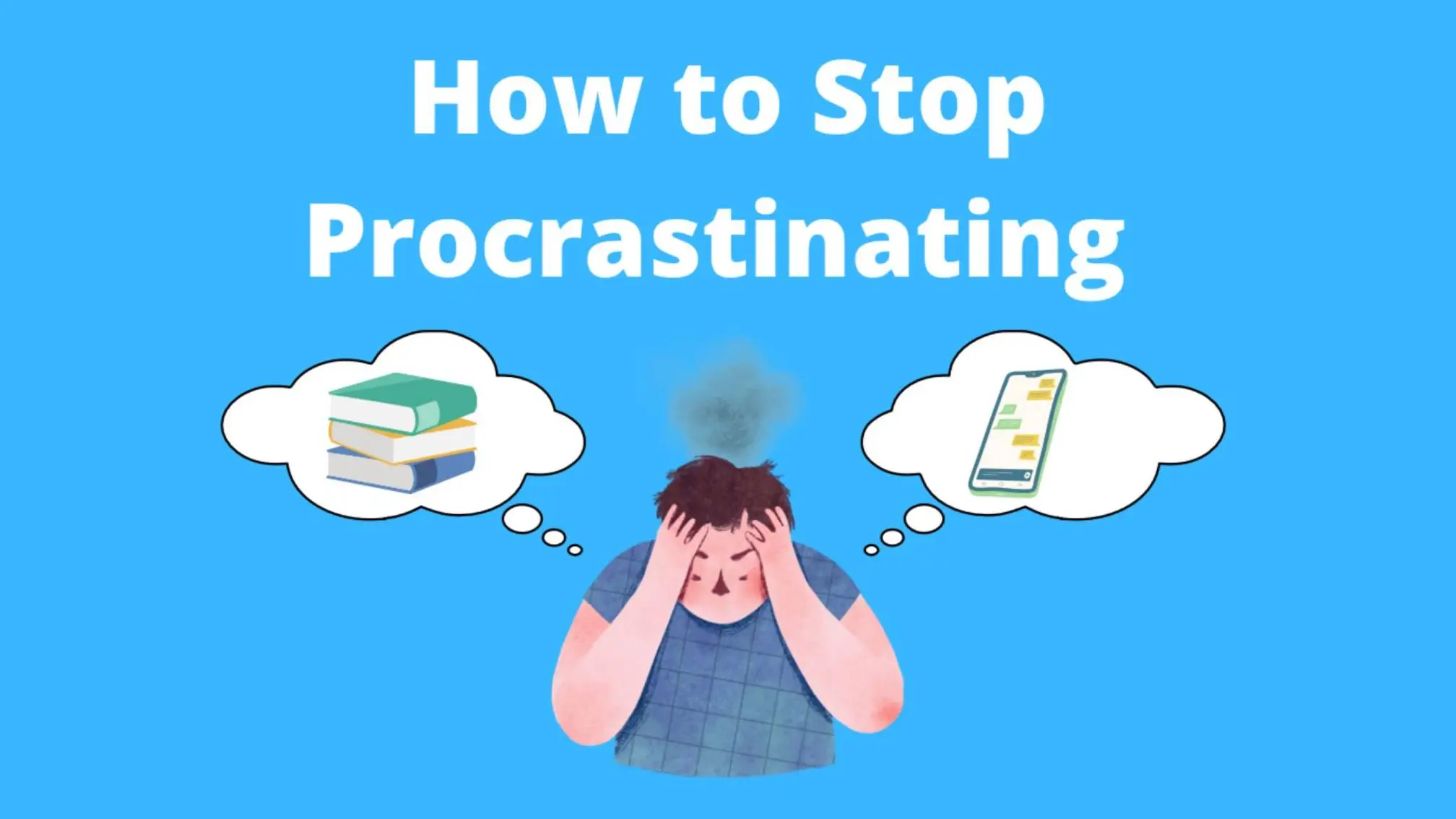
- Losing motivationwith no one looking over your shoulder, its easy to fall behind
- Bad time managementjuggling work, life, and online courses can get messy
- Poor fitsome online programs are better for self-starters than those who need lots of hands-on help
How to avoid these? Double-check the schools credentials, talk to past students, make a weekly study plan, and ask for help if youre stuck.
Tips for Making Online Degree Programs Work for You
- Set a routinea few hours a week, same days/times if possible
- Let friends and family know your plans so they can support you (or at least not distract you)
- Use all the resourcestutoring, online study groups, and instructor office hours
- Take breaks! Burnout is real. A clear mind picks up info faster
- Stay honest with yourselfif youre lost, ask questions early
The first class might feel weird. But youll adjust, and so will your calendar. Each step is progress.
Is Online Learning Right For Everyone?
Its not perfect for every person or every field. If your learning style is super hands-on or you need lots of personal feedback, a mix of in-person and online might work better. But if you want more control over your schedule, or your dream school is far away, online degree programs are worth a look.
Recap: Take The Leap Toward Career Growth
If youve thought about leveling up at work but worried about fitting college into your life, nows your shot. Online degree programs offer real degrees, flexible classes, and options for almost any career. Do your homework, compare programs, make a planand give yourself credit for making this move.
One class at a time, and youll be surprised how soon youll hit that graduate button. Ready?
FAQs About Online Degree Programs
- Q: Are online degrees as respected as in-person ones?
A: They can be, if you go to an accredited school. Most employers care more about the degree being real and what you learned. Just avoid fake schools, and you're good. - Q: How long does it take to finish an online degree?
A: It depends on the program and how fast you go. Many take 2-4 years, just like campus degrees. Some let you go faster if you have time to take more classes at once. - Q: Can I get financial aid for online degree programs?
A: Yesaccredited schools usually offer financial aid, including grants, loans, and scholarships. Fill out the FAFSA like you would for traditional college. - Q: What tech do I need for online classes?
A: You'll need a reliable computer, strong internet, and sometimes a webcam for video calls. Some classes use special software, but most run on web browsers. - Q: How do I stay motivated with online classes?
A: Make a weekly plan, set small goals, and check in with classmates or teachers. Taking breaks also helps. If you're stuck, ask for helpits easier than you think. - Q: Will I ever need to go to campus for my online degree?
A: Most online programs are 100% remote. Some, like nursing or teaching, might need you to do in-person training close to home. The school will say upfront if that's the case.