Job hunting has changed. It's not just about what you studied in college or who you know. These days, people are getting hired for what they can do, not just what they've done before. That's where online education for career development steps in. Whether you're looking to switch careers, move up, or pick up new skills so your boss doesn't replace you with a robot, online learning is your ticket.
The cool part? With remote learning, you don't have to move, commute, or even put on real pants. You'll see how digital learning platforms can help you pick up what you need, when you need it, and on your own terms. If you've ever felt stuck career-wise (we've all been there), this guide will show you how to actually get unstuckand feel good about it.
Why Online Education Is Changing Career Development
Online education used to feel like a backup plan. Not anymore. Today, it's how most people pick up new skills, from coding to public speaking to project management. It's real, it's respected by employers, and it's not going away.
- Flexibility: Learn after work, before breakfast, or during your lunch break.
- Variety: Explore thousands of online courses for job skills, not just the basics.
- Updates fast: New skills are added constantly (unlike old-school textbooks).
- Accessible: All you need is Wi-Fi and a device. No fancy setup required.
This all matters because the job market is a moving target. One year, everyone's hiring project managers. The next, it's data analysts or content creators. Online education keeps you in the gamewithout putting your life on hold.
Which Skills Can You Learn Online to Boost Your Career?
Not sure what to study? Look at what people are hiring for right now and what's probably coming next. Here are some skill areas nearly every industry wants:
- Tech: Coding, cybersecurity, data analysis, AI basics
- Business: Digital marketing, project management, sales tactics
- Soft skills: Communication, leadership, time management
- Creative: Graphic design, video editing, copywriting
It's not just about joining the tech world. Even if you're a nurse, teacher, or chef, professional development online can open up new paths. For example, a teacher who takes online courses for job skills in instructional design might land a job creating learning apps or digital courses. A chef could boost their career by diving into social media marketing or food photography online.
How Do You Pick the Right Online Courses?
With thousands of options on digital learning platforms, choosing can feel overwhelming. Heres how to make it easier:
- Start with your goal: What job or promotion are you aiming for?
- Check reviews from real users (read the good, bad, and ugly)
- See if employers recognize the certificate or course brand
- Look for hands-on projects, not just videos
- Price matters, but free isn't always bestsometimes paying a little gets you better support or feedback
Don't be afraid to try a shorter course or intro class first. It's like taste-testing before you buy the whole pizza.
What Are the Best Digital Learning Platforms?
Some platforms focus on university-style teaching. Others offer quick, work-focused lessons that teach you real-world skills. You probably know the big names, but there are lesser-known gems too. Here are a few types to look for:
- Full degree or certification schools (usually take longer, can be expensive)
- Platforms with individual courses (pick-and-choose style learning)
- Microlearning apps for on-the-go lessons
Tip: Don't stick with just one. Mix and match based on what you want to learn now versus next year. Each platform has strengths, whether it's tech, business, or creative training.
How to Actually Make Time for Remote Learning
This is the part nobody likes to talk about. Signing up is easy. Sticking with it is toughespecially if life is busy. Here are some ways real people make it work:
- Schedule your learning like a meeting on your calendar (and treat it the same)
- Set small weekly goals instead of aiming to finish everything at once
- Find a study buddysomeone to check in with or compete against
- Reward yourself for hitting milestones, even if it's just a fancy coffee
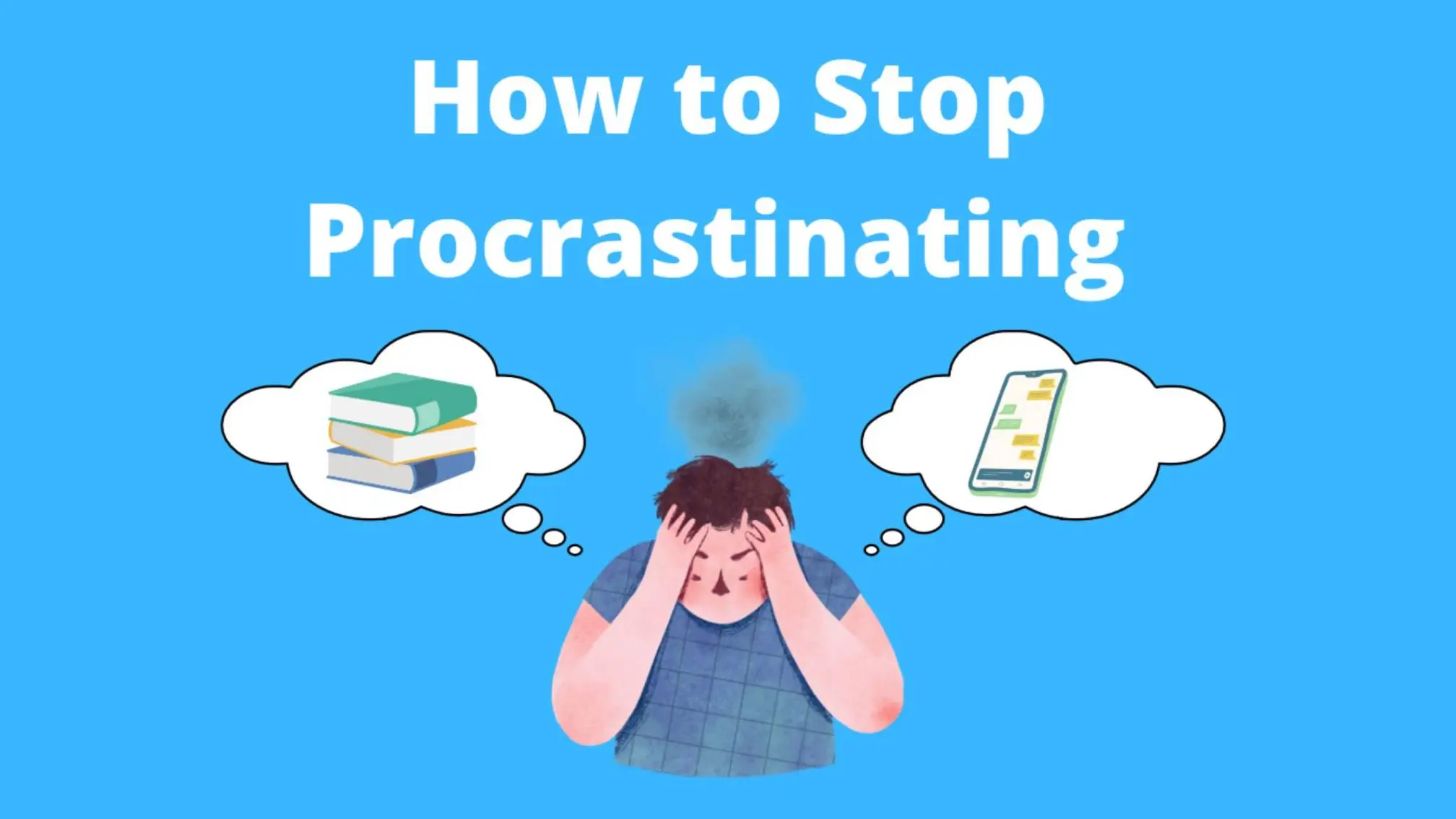
Even 10-15 minutes a day adds up. The first time I tried taking a course online, I thought I'd quit after a week. Turned out, putting it on my to-do list kept me goingand so did seeing quick wins.
What Can Go Wrong With Online Educationand How to Prevent It
It's not all smooth sailing. Some common issues can derail your learning:
- Boring or outdated courses that sap your motivation
- Certificates no one takes seriously (check employer views first)
- Spending a fortune on endless courses but never using what you learn
- Thinking online education replaces real work experience (it doesn't)
The fix? Research before you pay, set clear goals, pick hands-on courses, and use what you learn right away. Career growth comes from mixing new knowledge with real-world tasks.
What Does the Future of Online Education Look Like?
Online learning will get even more flexible and focused on work skills. Expect more short video lessons, AI-powered tutors, and courses that match exactly what hiring managers want. The future of online education is about learning fast, learning often, and staying curious. If you keep picking up new skills, you're way ahead of the gameeven if your job or industry changes overnight.
Quick Recap: Level Up With Online Education for Career Development
If you want more options and security in your work life, online education for career development delivers. Find the right course, set your goal, make time (even just a little), and keep things practical. You don't have to have it all figured out from day one. Start small and build from there. Your future self will thank you for having the guts to learn something new.
FAQs
- Q: Are online courses for job skills really valued by employers?
Yes, many employers appreciate online courses, especially when they're from well-known platforms or universities. What matters most is that you can show how you used what you learned at work. A certificate alone isn't magic, but skills plus proof is a big win. - Q: How do I pick the best platform for professional development online?
Look for platforms with good reviews, relevant courses for your field, and certificates employers recognize. Try a few free previews. Pick the one where you like the teaching style and course quality, not just the name. - Q: Can remote learning work if I have a full-time job or family?
Absolutely. Many courses are built for busy people. You can learn at night, early mornings, or on weekends. Short lessons, mobile apps, and flexible deadlines help you fit learning into real life. - Q: What's the difference between free courses and paid ones?
Free courses are good for basics or trying something new. Paid courses usually give more support, feedback, hands-on projects, and a recognized certificate. Pick based on your goal, not just price. - Q: How do I keep myself motivated to finish online courses?
Set small goals, reward yourself for progress, and tell someone what you're working on. Breaking learning into little bits makes it feel doable. If you get stuck, switch to a shorter course or try a new topic to spark motivation. - Q: Will online education really help my career in the long run?
Yes, if you keep applying what you learn and stay updated. The world changes fast. People who keep learning new skills, no matter where they are, have more options and stay reevant in their careers.