Ever looked at the clock and wondered why there aren't more hours in a day? You're not alone. Most people struggle to get everything done, from work projects to laundry to actually having fun. The real trick isn't finding more timeit's figuring out how to use what you've got a whole lot better. That's where solid time management tips come in.
Let's cut through the noise and get to what works. You'll learn easy habits, real-time saving moves, and ways to stop feeling like your to-do list is running your life. Ready to make things feel easier? Let's dive in.
Why Is Managing Your Time So Hard?
Here's the truth: most of us aren't lazy. We're just pulled in ten directions at onceemails, calls, family, and those endless notifications. So, how to manage time? It starts with seeing where your minutes actually go. Most people think they're busy all the time, but if they tracked it, they'd spot sneaky time-wasters stealing hours each week.
- Checking your phone every few minutes
- Switching between tasks without finishing them
- Letting meetings run on forever
- Not setting clear priorities
If you've done even one of those todayno judgmentyoure normal! The win comes from catching these habits and tweaking them bit by bit.
Which Time Management Tips Actually Work?
There's a million hacks out there, but only a few truly help everyone. Heres what makes a difference, even if youre not a super-organized person.
Whats the Priority Trick?
If everything is important, nothing is. Smart time management strategies start with getting brutal about priorities. Each morning, pick your top three must-do tasks. The rest is gravy. Why? Because when you win those three, your day feels like a success. You get real momentum, not just busywork.
I used to spend hours on random emails until I chose my big three. My productivity jumped, and the small stuff stopped taking over.
How Do Schedules Help or Hurt?
A schedule is greatwhen it's simple. Some people get so deep into planning that they never actually start doing. Try time-blocking: set aside chunks of time for specific tasks (like work, errands, or even relaxing). Then forget about being perfect. It's like budgeting for your time instead of money.
Watch out for calendar clutter though. If your schedule has zero breathing room, you'll end up stressed and skipping things. Give yourself flex time for catching up or surprises.
Can You Actually Multitask?
Quick answer: not really. Most of us try, but our brains need to swap back and forthand every swap costs more time. When you focus on one thing, you finish faster (and usually better). Next time you see someone brag about multitasking, remember they're usually getting less done, not more.
How to Handle Distractions (Without Going Nuts)
Noisy kids, chatty coworkers, endless phone pingsdistractions happen. Heres what works:
- Put your phone in another room for an hour block
- Use headphones or background music to tune out noise
- Shut down extra browser tabsyes, even that one
- Tell people (nicely) when you need quiet time
Try it for a week. Youll be amazed at how much easier it is to focus and check things off.
What Time Saving Tips Make Life Simpler?
Want a little more breathing room in your day? These tiny shifts make big waves for improving productivity (and sanity).
- Bunch errands together: Instead of three trips, do one super-errand run.
- Set timers: Give yourself 25 minutes to power through a task, then take a break. Its called the Pomodoro Technique, and it stops mind-wandering.
- Automate boring stuff: Set up bill pay, email filters, or meal plans one time, so you never have to think about it again.
- Say no more: If your plates full, dont pile on. People respect honesty, and your to-do list will thank you.
I once started setting a kitchen timer while writing. Suddenly, what took an hour now took 20 minutesbecause I wasn't checking my phone or wandering around the house.
What Are the Biggest Time Traps (and How Do You Dodge Them)?
Some habits feel productive but actually eat up your day. Here are the sneaky ones, and how to sidestep them:
- Perfectionism: Spending triple time on tiny details nobody notices. Good enough is usually enough.
- Over-scheduling: Filling the calendar leaves no time for real life or when things pop up.
- Never-ending to-do lists: A list with 30 things is just overwhelming; prioritize!
- Trying to catch up: Sometimes its better to reset and start fresh than always scrambling.
We've all been there, tweaking that one email for an hour or agreeing to five meetings in a day. Set better boundaries and let small stuff slide sometimes.
How Can You Build New Habits That Stick?
Changing your approach to time isnt about sheer willpowerits about easy routines that fit your life. Try picking one new habit a week, like planning tomorrow tonight or using the timer trick.
- Habit stacking: Attach a new habit to one you already do, like reviewing your calendar while drinking morning coffee.
- Small wins: Celebrate finishing one thing, not just the big stuff.
- Track progress: Check boxes or cross off finished tasks for a mini dopamine boost.
If it doesnt work on the first try, tweak it. The goal is progress, not perfection.
FAQs About Time Management Tips
- What is the easiest way to start managing time better?
Start by listing out what you need to do the next dayjust three things, not twenty. This keeps your to-do list simple and doable. When youve finished those three, youll feel less overwhelmed and more in control. - Are there any time management strategies that work for busy parents?
Yes! Try batching chores (like laundry or cooking), share responsibilities where you can, and give yourself permission to leave some things for tomorrow. Even 10-minute blocks of focused time can help a lot. - How do I stop procrastinating on important tasks?
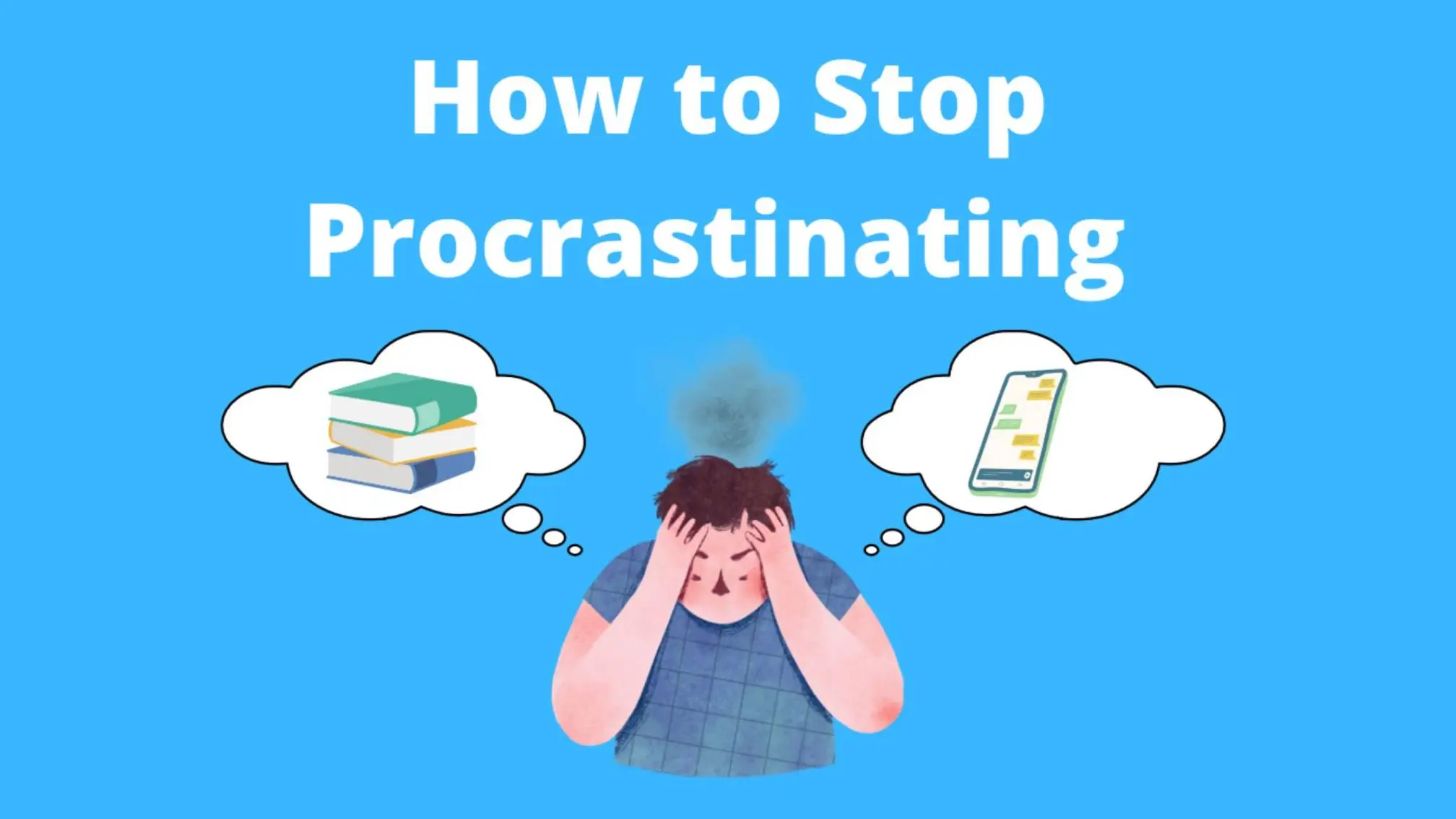
Break big jobs into smaller steps and start with the easiest bit. Once youre moving, it gets easier. Also, tell yourself youll work on it for just 10 minutesthe hardest part is usually getting started. - How can I save time at work without annoying my team?
Use clearer communication: set short meetings, send bullet-point emails, and block out focus time. When you share why you need certain times interruption-free, most people understand, especially when you help them do the same. - Whats one thing to avoid if I want effective time management?
Dont try to do everything at once. Multitasking usually slows you down. Focus on one job, finish it, then move to the next. Youll get more done in less timeand with less stress. - How long does it take to build a new time-saving habit?
It depends, but most people notice a change within a couple of weeks if they stick to it daily. Start small, keep it easy, and give yourself credit for progress. Being patient pays off.
Time management isnt about squeezing every second dry. Its making space for what matters, dropping what doesnt, and feeling less frantic. Pick one change, try it out, and watch your days get lighter. Youve got this.