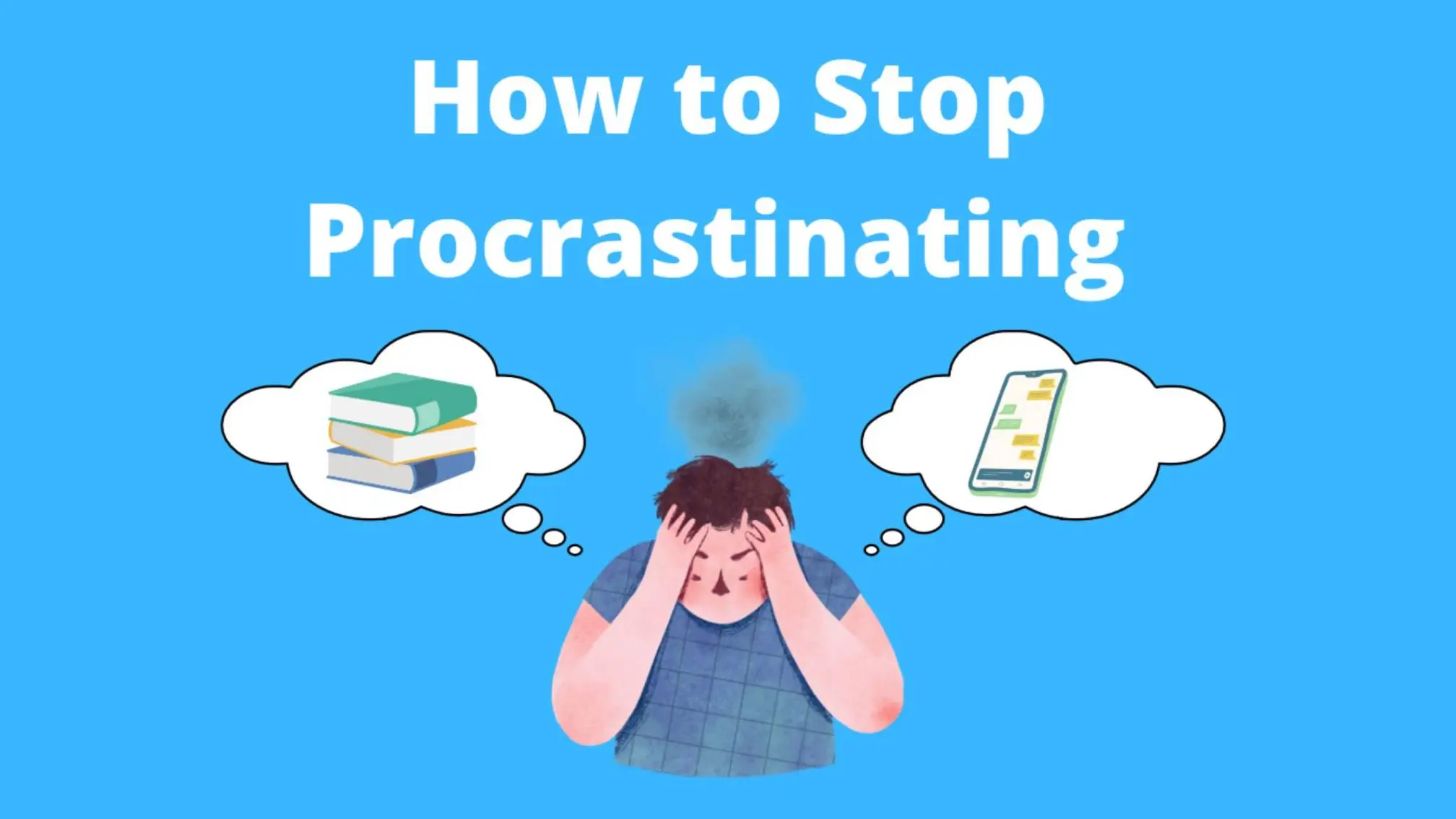
Ever finish a workday and wonder where your time went? Tasks left unfinished, emails half-read, zero room for a break. You feel busy but not actually productive. That's where prioritization strategies step in. Figuring out what deserves your energy can turn chaos into real progress. You'll leave less undone, stress less, and finally see your to-do list shrink.
What Are Prioritization Strategies Anyway?
They're the tricks and routines that help you decide what matters mostso you spend your best energy on high-impact work. Instead of just reacting to the loudest email or latest ping, you get intentional.
- Sorting your to-do list so must-dos always come first
- Setting real deadlines (not just "someday")
- Blocking time for deep work over busywork
- Ignoring distractions on purpose
Sound simple? It's not always easy to stick to. But once you've got a system (or a few), your days start to feel manageable. You'll get better at saying 'no' when you need to. No more running around just to look busy.
Why Learning to Prioritize Changes Everything
Most people try to do it allthen get swamped, stressed, and stop making progress. Prioritizing gives you:
- More focus (so you can actually finish important projects)
- Less decision fatigue (no more agonizing over what to tackle first)
- Room for breaks and thinking time (hello, sanity)
- Momentum (its easier to start when you know what matters)
The payoff? Youll look back at your day and see real results, not just half-finished bits.
How Do You Figure Out What Matters Most?
Here's where task prioritization gets interesting. The secret: not every item on your list deserves your time. Some things matter more for your goalsothers can wait, or never even get done.
- The Eisenhower Matrix: Picture four boxes. Urgent and important? Do it now. Important but not urgent? Schedule time. Urgent but not important? Delegate. Neither? Skip it. Don't overthink, just sort your list honestly.
- ABC Method: Everything gets a letter. A-tasks are non-negotiable. B is nice-to-have. C is "eh, someday." Start with A, always.
- MITs (Most Important Tasks): Pick 1-3 things each day that must get doneno matter what. Let those steer your schedule. Leave room for surprises, but don't let them take over.
My first week using MITs, I slipped up and finished random emails first. Stuff that made me feel productive but changed nothing. When I finally put my MITs front and center, I finished a big project I'd been dodging for weeks.
What Gets In the Way of Good Prioritization?
It's not a lack of time management. Usually, it's things like:
- Saying yes to everything out of guilt
- Trying to do what others expect, not what matters to you
- Getting distracted by the "ping" of new messages
- Not having clear goals in the first place
Don't beat yourself up. No one gets this perfect. The trick is seeing where you slip upthen building a new habit, one tiny step at a time.
How Can You Build Lasting Prioritization Habits?
- Set a short priority list each dayideally before you even check email.
- Review your schedule on Sundays so your week starts off organized.
- Time block for deep workput meetings and distractions elsewhere.
- Be realistic: Most people can only finish 2-4 big things a day, not 10.
- Do a quick recap each evening: What worked? What got missedand why?
Think of this as meal planning for your brain. When you know what's coming, you're way less likely to grab mental junk food that feels urgent but isn't important.
How to Handle Curveballs and Still Stay on Track
No plan survives first contact with the real world. Priorities change, emergencies pop up, and sometimes your whole schedule implodes before noon. Here's what works:
- Build in slack: Leave empty blocks in your day for surprises.
- Re-evaluate at lunch: If things shifted, reset your prioritiesdon't panic.
- Let go of 'perfect': Some days, good enough really is enough.
Last Tuesday, my entire morning got eaten up by a surprise call. Instead of tossing the whole plan, I scrapped my C-tasks and focused all-in on my top B-task. The day wasn't perfect, but I still made progress.
Task Prioritization vs. Time ManagementWhat's the Difference?
Task prioritization means sorting your tasks by what matters most. Time management is about using your day wisely. Both help, but you'll get more out of them when you let your priorities drive your schedulenot the other way around.
- If you try to "manage time" without knowing what matters, you'll stay busy but miss real progress.
- When you match your calendar with high-impact work, that's where productivity takes off.
Easy Wins for Better Productivity Fast
Not every improvement takes ages. Try these right now:
- Turn off email and chat for one hoursee what you get done.
- List three MITs (Most Important Tasks) at the start of your day.
- Set a five-minute timer to clear physical clutterless mess means less mental chaos.
- Batch similar tasks (all calls together, all emails together) so your brain isn't constantly shifting gears.
- Celebrate something you finished today, not just whats left undone.
How to Make Effective Planning Stick
Lots of people set big goals but forget to plan the steps. Break projects into smaller, doable chunks. Add deadlineseven fake ones help. Use checklists. Track your progress. Celebrate wins (even tiny ones).
- Weekly reviews: See what worked and adjust for next week
- Monthly resets: Drop goals that no longer matter
- Accountability: Check in with a friend, coworker, or just your journal
Planning isn't just paperworkit's peace of mind. You'll worry less, and your work will have more impact.
FAQ
- What's the simplest way to start with prioritization strategies?
Start by picking just one Most Important Task (MIT) every morning. That one thing is your focus for the day, no matter what. After a week, add a second or third. The point is to make it a habit so you always know where to start. - How do I know if my priorities are right?
If you're moving closer to your big goalslike finishing a project or getting home earlieryour priorities are probably right. If you still feel swamped or stuck, it's a sign to look closer and adjust what's on top of your list. - Can prioritization strategies help with work-life balance?
Yes. Setting clear priorities at work helps you finish faster, so there's more time for the rest of your life. It's not about doing moreit's about doing what matters and skipping what doesn't. - What do I do if everything seems equally important?
Ask yourself which tasks have the biggest consequence if left undone. If they all feel big, pick the one with the closest deadline or ask for help sorting. Sometimes a fresh set of eyes catches what you miss. - How do I stick with my new productivity habits?
Set reminders and celebrate small wins. Share your goals with someone who can check in on you. If you miss a day, start again the nextnot everything is lost just because you slipped up. - Is it okay to change priorities during the day?
Absolutely. Life throws curveballs. The skill isn't setting priorities and never changing themit's being flexible and honest about when you need to switch gears. Just don't drift off course without realizing it.
Productivity isn't about cramming more into your calendarit's about making room for what matters. Try one or two of these prioritization strategies this week. Keep it simple, notice what helps, and adjust. Your future self will thank you for it.