If your to-do list feels like a never-ending monster, you're not alone. Most people are juggling work, home, hobbies, familythe list goes on. But some folks seem to knock out their tasks while staying calm and collected. What gives? The secret's not superhuman willpowerit's smart task management techniques. These are real methods anyone can use to get organized, use their time well, and finally feel on top of things. Let's break down the tricks top achievers use so you can steal their habits and see real changes, fast.
What Makes a Task Management Technique Actually Work?
Not all systems are created equal. A good technique works with how your brain likes to workit keeps you moving, not bogged down in details or guilt. It's not about fancy tools or apps (though those help), it's more about being honest with what you can get done and picking the right focus, every day.
- You know what's urgent versus what's just "should-do"
- You avoid overwhelm by breaking down big jobs
- You stay motivated because progress feels visible
Most people mess up by cramming everything into one long list, then feeling defeated when they can't finish. That's why picking a method that fits your style is key.
How Do Top Achievers Set Their Priorities Every Day?
Ever start your day working on the "easy stuff"? Yeah, me too. But big results come from hitting the most important task firsteven when it's tough. High performers use task prioritization to decide what matters most, fast.
- The 1-3-5 Rule: Pick 1 big thing, 3 medium things, and 5 small things. That's it. Do the big one first.
- Eisenhower Matrix: Is this task urgent? Is it important? Figure that out, then work through the "important AND urgent" stuff first.
- MITs (Most Important Tasks): Every morning, write down the 2-3 tasks that make your day a win, even if you do nothing else.
Pick one, stick to it a week, and you'll see why it makes a huge difference.
What Are the Best Ways to Organize Tasks Without Losing Your Mind?
Here's the truth: no system works if you can't see your tasks at a glance. You want something that shows you what needs doing, what's coming up, and what's done. That's where effective task organization comes in. Here are a few ways top performers do it:
- Digital Lists: Simple apps like Google Keep or your phone notes. Add, check off, and archive tasks anywhere.
- Bullet Journaling: Old-school notebook, short bullet points, simple symbols. Satisfying to cross things out.
- Kanban Boards: Whiteboard or app with columns for To Do, Doing, Done. Move tasks across the board as you go.
- Daily Index Card: Each morning, write today's top tasks on a card. When the card is done, so is your workday.
What matters is picking a tool you'll actually use. It's easy to fall into the trap of researching systems for hours instead of doing the work.
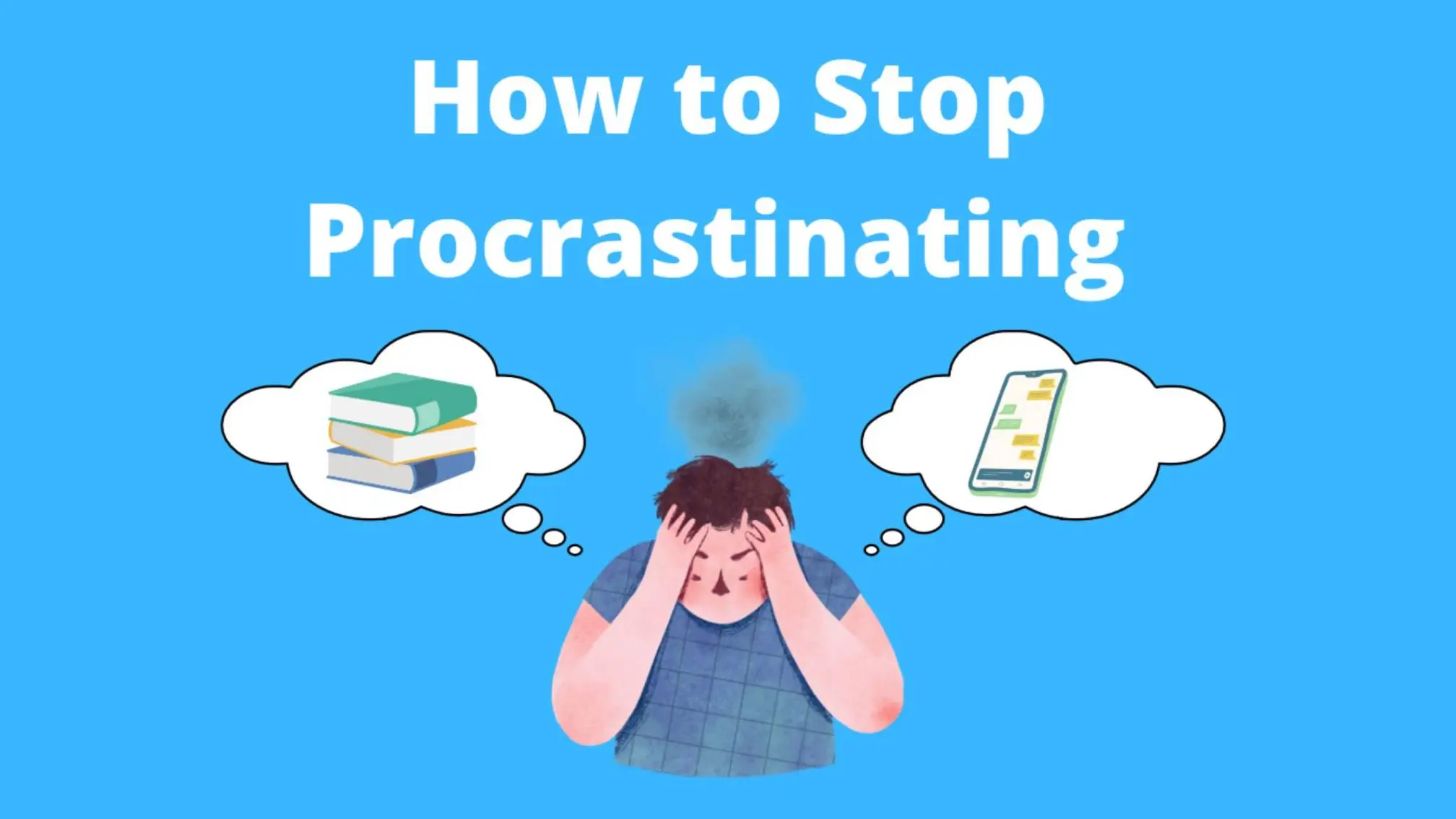
How Can You Beat Procrastination and Stay Productive?
Even the best plan fails if you can't get started. This is where productivity tips that really work come in handy. Everyone gets distracted, but people who finish their goals know how to get back on track. Try a few of these approaches:
- Set a timer for 25 minutes (Pomodoro Technique). Work until it dings, then take a 5-minute break.
- Keep your task list visiblestick it by your screen or on your fridge.
- When stuck, do a "two-minute task" (something tiny) to regain momentum.
- Stop aiming for perfect. Good enough beats never done, every time.
- Pair up with a friend for accountabilitytext when you start and finish something big.
Slip up? Move on. Even the pros have days where it all falls apart. What's cool is you can always restartany hour, any day.
What Role Does Time Management Play in Achieving Goals?
Goals are greatbut if you don't make time for them, they're just wishes. Time management strategies are how top achievers fit big goals into busy lives. Here's how:
- Block off time in your calendar like an appointment, even if it's just 20 minutes.
- Batch similar tasks. Edit all your photos or answer emails in one go, not all day long.
- Say no to extra stuff that sneaks onto your list, unless it fits your main goal.
- Track where your time goes for a week. It's eye-opening and shows you where to reclaim hours.
The trick isn't finding timeit's being honest about what you do with it. You might be surprised how much small chunks add up.
How to Avoid the Most Common Task Management Mistakes
Everyone slips up with task management techniques sometimes. Here are a few traps to watch for:
- Making your system too complicated. If it takes more time to plan than to work, it's not working.
- Thinking you can multitask. Spoiler: you can'tnot well, anyway.
- Setting "should-do" goals instead of real priorities. These are the ones you don't care about, so you never start.
- Ignoring breaks. Brains need rest to stay sharp and motivated.
- Beating yourself up for falling behind. It's normal. Reset, trim your list, and start fresh.
The biggest win is realizing you're in charge of your listnot the other way around.
FAQ: Real Answers About Task Management Techniques
- Q: What's the easiest task management technique to start with?
A: Try the daily index card method. List your 3 most important tasks on one card. Do them before anything else. It's low tech and simple, so most people actually stick with it. - Q: How do I know if a technique is right for me?
A: If you actually use it for at least a week and it helps you get more done without feeling stressed, it's working. If you keep skipping it, try a simpler or shorter system. - Q: Can task management help with anxiety about getting things done?
A: Yes, having tasks organized makes things feel less scary. You'll see exactly what needs doing, so your brain isn't spinning all day. Just keep your list shortdon't overload yourself. - Q: Should I use paper or digital for organizing my tasks?
A: It depends on what you like. If you love the feeling of crossing things off, use paper. If you want reminders and your list everywhere you go, try a phone app. The best tool is the one you keep using. - Q: What if I fall behind or miss a bunch of tasks?
A: It happens to everyone. Cross off what doesn't matter, pick one thing to do next, and let the rest go. Progress is better than perfect plans, every single time. - Q: How often should I update my task list?
A: Once a day works for most people. In the morning or the night before, look over your list, add anything new, and take off stuff that no longer matters. This keeps things fresh and motivates you to get moving.
Here's the good news: you don't need to be born organized to use solid task management techniques. Pick one simple system. Start small. Stick with it for a week. Don't change everything at once. Each day, you'll get a little better at knowing what matters and making sure it actually happens. Over time, that's how big results show up. Youve got this.