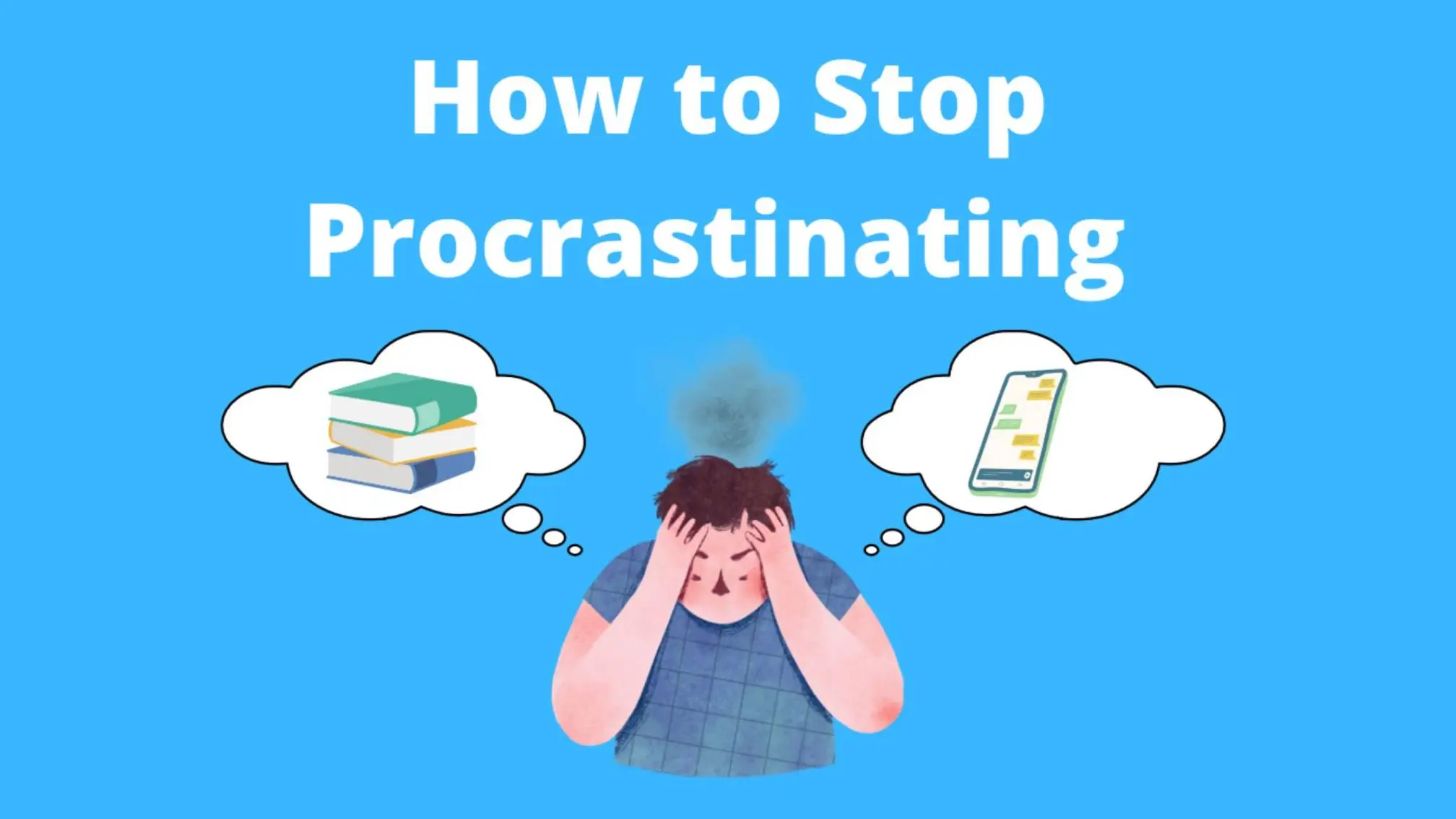
You know that feeling at the end of the day when your to-do list still looks almost as long as it did this morning? You're not the only one. Most people struggle to keep up with work, family stuff, and all those little extras that pop up. Here's the good news: a few practical time management techniques can give you actual control over your daywithout rigid schedules or endless stress. We're talking task prioritization, smarter ways to plan, and tweaks anyone can use to get more done (without burning out).
Why Is Time Management So Hard?
Lets be honest. Managing time sounds simple, but the reality is a mix of interruptions, over commitment, and that urge to tackle the easy stuff first. The real problem? Were not taught how to choose what matters most. Instead, we try to fit everything in, and thats a recipe for frustration.
- You get distracted by emails and notifications
- Your list is filled with small tasks, not real priorities
- It feels easier to put off big projects
- Even your "breaks" get eaten by last-minute requests
If this sounds familiar, keep readingsome small changes can make a major difference.
What Are the Best Time Management Techniques (That Actually Work)?
There are dozens of fancy systems out there. Most don't last unless they fit your style and needs. Here are straightforward techniques anyone can try:
- Eisenhower Box: Split your to-do list into urgent vs. important. Focus on the important, even if it doesnt scream for attention.
- Time Blocking: Set specific times for bigger tasks. Treat these blocks like appointments you cant skip.
- Task Batching: Group similar jobs (like making phone calls or answering emails) so your brain stays in the same mode.
- Daily Top 3: Pick three must-do tasks every morning. If those are done, consider the day a win.
The trick? Dont try them all at once. Pick one for a week and see how it feels.
How Does Task Prioritization Change Your Workload?
Task prioritization means you control the dayinstead of letting it control you. Think about it: If everything is equally important, nothing actually gets the attention it deserves. Prioritize by asking:
- What will matter most by tomorrow?
- What could seriously go wrong if I skip this today?
- Which task helps me make the most progress?
This technique means sometimes saying no (or "not yet") to things that can wait. It frees up brain space for whats truly urgent and important.
Common Prioritization Mistakes People Make
- Treating every to-do as a crisis
- Never delegating (You don't have to do it all!)
- Filling days with low-value "busywork"
- Ignoring long-term projects until they're emergencies
It's normal to slip into these, but you can snap out with a quick review at the start (and end) of your work day.
Does Effective Scheduling Work for Everyone?
Scheduling helps, but only if it fits how you work. If you're a morning person, block the tricky stuff early. If youre more focused after lunch, move your hardest work then. The point is: make a schedule that's honest, not "perfect." Even the best plans shift. Leave room for surprises and don't pack your calendar so tight there's no breathing room.
- Mark breaks as real (set a timer if you have to)
- Pad big projects with extra time for hiccups
- Review and adjust each weekno guilt if things shift
Effective scheduling helps you stick to priorities and catch yourself when you start jumping between thirty tiny tasks instead of one big goal.
Productivity Strategies You Can Actually Stick To
Lets get real. Productivity hacks that need hours of setup or complicated tracking just become another thing to procrastinate on. Here are practical strategies you can start in under five minutes:
- Use a simple timer (like the Pomodoro method25 minutes work, 5 minutes break)
- Turn off phone alerts when deep in a project
- Check email only at set times (not whenever you get bored)
- Keep a notepad for random ideas so they dont distract you
Try two at a time. Once theyre habits, add another. No stress.
How Can You Manage Workload Without Burning Out?
The point of all these time management techniques is to do less of what doesnt matter and more of what does. Key steps to protect your sanity:
- Say no (nicely) when your list is full
- Block off time for breaks you actually take
- Ask for help before a project spirals out of control
- Give yourself permission to end the day without finishing it all
- Celebrate checkmarks, not just huge wins
Burnout sneaks up when you try to be perfect. Small moments of rest and small wins each day keep your workload under control over the long haul.
How to Start Using These Techniques Today
Pick one suggestion from above. Write it on a sticky note and put it on your laptop or bathroom mirror. Remind yourself: You dont need to overhaul your whole life overnight. Start small, experiment, and see what fits. The goal is progress, not perfection. With a few time management techniques that suit your personality and style, youll be in charge of your timenot the other way around.
FAQs on Time Management Techniques
- What's the easiest time management technique to try if I'm overwhelmed?
The Daily Top 3 is simple. Write down the three most important tasks for your day. Do those first. It helps you feel productive without being buried in lists. When you focus on only a few priorities, it's easier to start and finish your work. - How does task prioritization help when I have too much on my plate?
It helps you see whats urgent and whats less important. By picking what really matters, you avoid wasting energy on things that can wait. You'll stress less and get more done when you tackle big projects first and let the smaller stuff fit around them. - Can effective scheduling handle constant interruptions?
Nothing stops interruptions completely, but a good schedule gives you a clear path back after youre sidetracked. When you know what youre supposed to focus on, its easier to pick up where you left off, instead of bouncing between tasks all day. - Whats a common mistake with productivity strategies?
Trying to change too much at once. If you overhaul your whole system, it probably wont stick. Start with one or two small habits, such as using a timer or turning off phone notifications during work. Once those feel natural, add another step. - How do I manage workload without working late every night?
Set real boundaries. Decide when your workday ends and stick to it. Break big projects into parts and check in on your progress every few days. This way, you can get things done without losing your evenings to unfinished work. - Do I need fancy apps for good time management?
Nope. Notebooks, simple calendars, or phone alarms can do the trick for most people. Tools can help, but the best results come from picking priorities, planning ahead, and protecting your focus. Start basic before adding new tools.