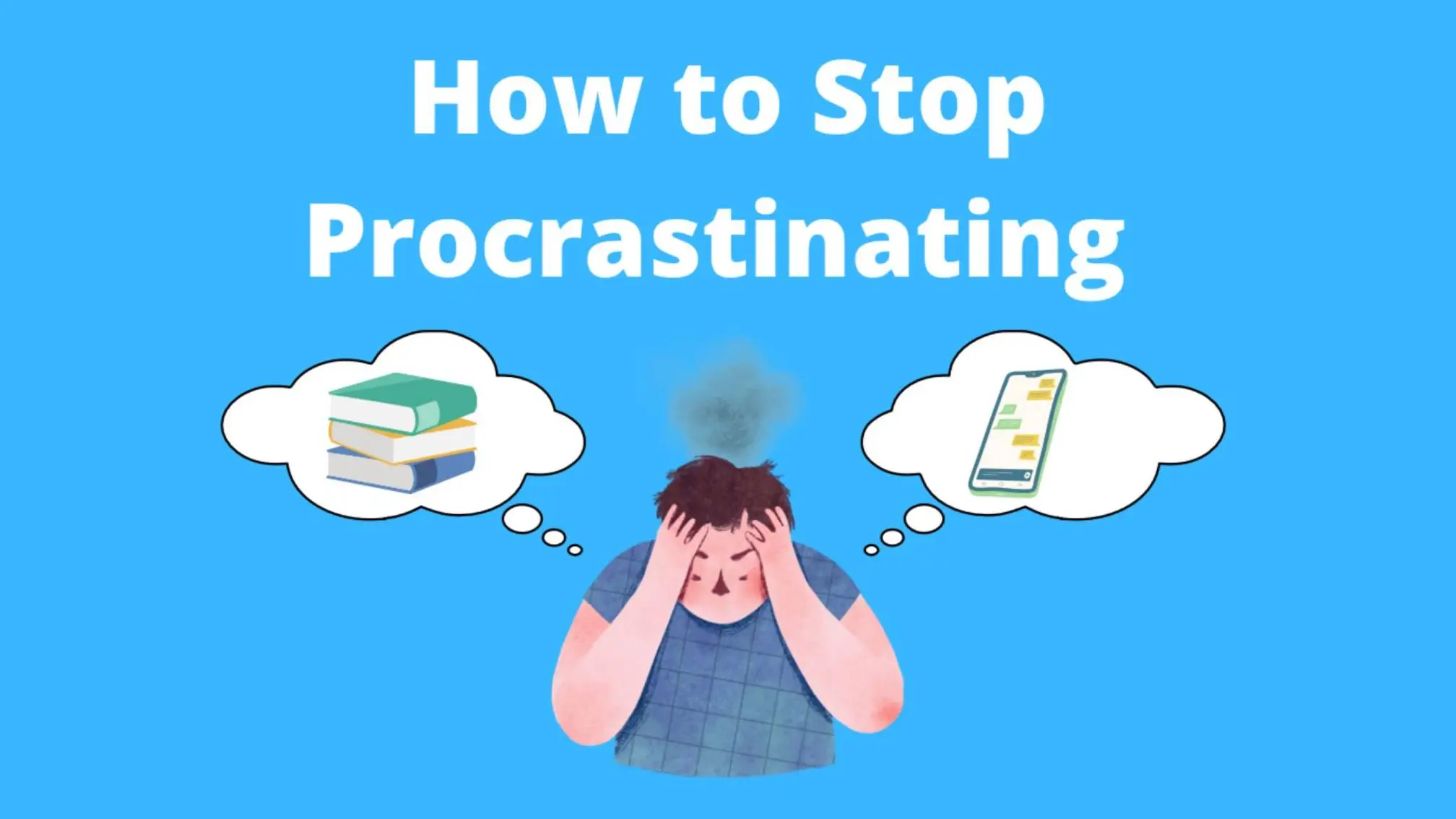
You know that feeling when your to-do list laughs at you by lunch? Yeah, me too. You plan to conquer the day, but somehow it's 3 p.m. and you barely crossed off one thing. That's why nailing time management techniques matters. No one's born great at it, but anyone can get better. Heres what actually worksno fluff, just real fixes.
Why does time management always feel hard?
Time management sounds simpleuse a planner, follow a schedule, check things off. But real life isnt so neat. We get distracted, emergencies pop up, and sometimes, we procrastinate because were tired or stuck. The good news? With a few changes and some practice, you can make the clock work for you, not against you.
What are the best time management techniques that actually work?
Theres no one size fits all method, but here are a few proven ways you can use right away:
- Time blocking: You set aside chunks of time for specific tasks. It keeps you focused, not scattered.
- Task prioritization: Decide what matters most, tackle that first, and let the less urgent stuff wait.
- Effective scheduling: Dont wing it. Write stuff down or use a digital calendar, and stick to it.
- Batching tasks: Group similar tasks together so your brain doesnt have to keep switching gears.
- Picking your power hours: Everybody has a time when theyre sharpest. Use that window for your most important work.
Try these out for a week. Notice what helps, and tweak what doesnt. The trick isnt about being perfectits about making progress.
How does time blocking make you more productive?
Time blocking is writing down what youll do and when youll do itbefore your day gets away from you. You set 9-10 a.m. for deep work, 10-10:30 a.m. for emails, and so on. Its not about being rigid, but about giving your brain clear lanes to run in.
- Why it works: Multitasking kills focus. Time blocking shines a spotlight on one thing at a time.
- Common mistakes: Overstuffing your blocks; forgetting breaks; not moving tasks if things change.
Keep some blocks open for random stuff (because it always pops up). See how much calmer your day feels.
How can you prioritize tasks without getting overwhelmed?
Ever feel like everything is urgent? The trick is separating whats actually important from whats screaming loudest. Try these for smarter task prioritization:
- Start your day by listing your three must-dos. If nothing else happens, these are the wins.
- Use a simple code: A = must-do, B = nice-to-do, C = can wait.
- Review your list at lunch. Has anything changed? Tweak your plan, and drop the guilt.
Dont let other peoples fake emergencies eat your day. Say no, or at least Ill get to it after I finish this.
Whats the deal with effective scheduling?
Scheduling isnt just for meetings. Its making appointments with yourself to do real work. Heres how you can make your schedule work:
- Book appointments for big tasks, not just quick ones.
- Leave blank space. Not every second should be filled.
- At the end of the day, review how your schedule went. What took longer? What was easier than you thought?
Flexible structure beats rigid routine. Set it, but be willing to move things if needed. Your calendar should help you, not stress you out.
How do productivity tips and work efficiency connect?
Great productivity tips make your work actually matter. Work efficiency is all about doing more of the right things. That means less busywork, more impact. Some smart ways to boost both:
- Limit meetingsthey eat time.
- Automate little stuff (like bill pays or email sorting).
- Turn off notifications when you need focusseriously, try it.
- Give yourself finish lines (like, Ill do this by 3 p.m.).
Small changes add up. Try just one thing at a time and notice the difference.
What are real-life obstacles to managing your time well?
Ive tried every trickbut life still throws curveballs. Sometimes youre sick, or your kids home, or work needs you at the last minute. Heres how to cope:
- Dont beat yourself up. One bad day doesnt ruin your progress.
- Have a go-to backup plan for when things blow up (like moving a meeting, or skipping a task that isnt critical).
- Review each week. What tripped you up? How can you dodge it next time?
Getting better at time management is a marathon, not a sprint. Even the experts mess up. Progress over perfection.
FAQs about Time Management Techniques and Productivity
- Q: What's the quickest way to start improving my time management?
A: Start by writing down tasks before your day begins. Even a messy list beats trying to remember everything. You'll feel less stressed when you see what really needs to happen. - Q: How do I stop getting distracted while working?
A: Mute notifications and set a timer for 25 minutesa quick focus burst. Take a 5-minute break after. Repeat as needed. It's simple, but those short sprints help your brain focus. - Q: Can I use time management techniques if I have an unpredictable job?
A: Yes. Block time for the stuff you can control, like emails or reports. Leave gaps for things that pop up. Flexibility is keyadjust your plan instead of ditching it. - Q: Are digital tools better than paper for effective scheduling?
A: Use whatever you like best. Digital calendars are easy to change and can send reminders. Pen and paper are simple and help you avoid screen distractions. The best tool is the one you'll use every day. - Q: Why do I keep running out of time for important tasks?
A: Its easy to get stuck on urgent but less important stuff. Start your day with one key task. Protect that time even if you have to move other things. Over time, youll make steady progress where it counts most. - Q: Is multitasking ever a good idea?
A: Not really for big stuff. Doing two things at once usually means both get done slower. Tackle one task at a time when it matters. For easy things (like folding laundry while listening to a podcast), its fine.
No system is perfect, but every step forward counts. Try a new technique this week, keep what works, dump what doesnt, and watch your productivity growone day at a time.