Your to-do list keeps growing. Meetings hijack your schedule. Emails eat up an hour before your real work starts. Sound familiar? You're not alone. Most people feel like they're drowning in tasks but never actually finish what matters most. That's why learning the right time management strategies isn't just helpfulit's the difference between barely getting by and truly thriving at work.
If you stick around, you'll learn real-life, zero-BS ways to save hours every week, focus on important stuff, and leave work without that "I forgot something" pit in your stomach. Let's get started.
What Are Time Management Strategies?
Time management strategies are just methods (some simple, some clever) to help you control how you spend your hours at work. They matter because time is the one thing you can't get back. Spend it well, and you get more done with less stress. Waste it, and you end up working late, missing deadlines, or both.
- Planning your day before you start
- Setting clear priorities
- Breaking big tasks into smaller steps
- Blocking out time for focused work
- Learning when to say 'no'
The trick is finding which mix works best for younot just copying something you read online.
Why Do People Struggle With Effective Time Management?
Most of us want to be organized but aren't. Why? Because it's not about reading tipsit's about making habits stick (which is hard, especially if you hate planning ahead or get distracted easily).
- We're constantly interrupted (thanks, phone notifications)
- We try to multitask and end up doing things badly
- We avoid tough tasks and chase easier wins (hello, inbox...)
- We underestimate how long things take
Admitting these struggles is the first step. That's how you get better, not by pretending you just need another app.
How Do You Prioritize When Everything Feels Important?
Here's the truth: Everything can't be "critical." If you treat it all the same, you spread yourself thin. The best way to sort tasks is with a simple three-level system:
- Must-Do: Stuff that, if skipped, sinks the project or gets you in trouble
- Should-Do: Important, but not urgentfinish after the must-dos
- Could-Do: Bonus points if you have timenever at the expense of energy
Write these lists on paper, on your phone, or in whatever tool youll actually use. If youre honest, youll notice the "could-dos" keep growing, but that's okay. Let them.
What Time-Saving Techniques Actually Work?
Batching Similar Tasks
Jumping between emails, calls, writing, and meetings is like driving with the parking brake on. You lose speed switching gears. Try this: Answer emails all at once. Do calls back-to-back. Save writing for a single chunk. It feels strange at first. But after a few days, you'll shave off tons of mental wasted motion, and your work gets smoother.
Using Timers for Focus
The classic "Pomodoro" trick means you set a timer (25 minutes is enough) and do nothing but the one task. Take a five-minute break, repeat. Sounds almost too basic, but it helps if you get distracted. Plus, it puts your brain in "let's finish this" mode.
Planning Tomorrow Before You Leave
Spend five minutes at the end of the day writing your main tasks for tomorrow. Not all 37 thingsjust 3-5 big ones. This tiny act saves the aimless morning shuffle. You arrive ready to go, not wondering "Where do I start?"
How Do You Handle Distractions and Interruptions?
Even the best plan gets wrecked if people (or apps) keep yanking your attention away. Here's how to defend your focus:
- Mute notifications for blocks of work
- Say, "Can this wait 15 minutes?" if someone tries to interrupt
- Work in a quieter spot if possible (headphones can help)
- Make your calendar visible so people see when you're busy
If you slip up and get distracted, don't beat yourself up. Just jump back in. Progress matters more than perfection.
How to Stop OvercommittingThe Power of 'No'
It's easy to want to help everyone, but saying yes to everything kills workplace productivity. Next time someone asks for your time, try one of these:
- "I'm full right now. Can we revisit next week?"
- "I'd like to, but my plate's packedmaybe Emma can help?"
- "That sounds interesting, but I can't give it the attention it deserves."
The world won't end if you pass on a project. Most folks will respect you more for it.
What Are the Biggest Mistakes With Time Management?
- Trying to be perfectdoing the small stuff to avoid the big stuff
- Thinking you dont need a planyou do, even a short one
- Constantly switching tasks (multi-tasking isnt real productivity)
- Ignoring breaksyoure not a robot, your brain needs reset time
- Measuring busyness, not results
When you mess up (and you will sometimes), just reset. Anyone who says they never get sidetracked is lying.
Can You Build Strong Time Habits That Last?
Yes, but it takes patience. Instead of going all-in and flame out after a week, start with one change at a time. Example: Use a timer tomorrow for just your hardest task. Or review your priorities for five minutes each morning. Celebrate little wins. Tell your coworkers what you're trying (they might join in). Before you know it, these little actions layer up into your personal system for efficiency.
What If Your Boss Loads You With Too Much Work?
You're not alone if your workload feels impossible. The fix isn't working more hoursit's getting clear on priorities. Try saying, "If I focus on A, B will have to wait. Which matters more?" Most managers want results, not checklists. Sometimes, you have to ask what really matters instead of guessing. It takes guts, but it's the smartest move.
Takeaway: How to Make Time Management Strategies Work for You
Here's the bottom line: You're never going to "find" more time. But you can choose how you spend it. Try one new technique this week. Batch some tasks, use a timer, or write a short list before quitting time. Notice what feels right (and what doesn't). Tweak as you go. You'll get better every week, and your work will feel less like running on a hamster wheel and more like real progress.
FAQs About Time Management and Workplace Productivity
- What's the easiest time management strategy to start with?
Start with planning your top three tasks each day. Write them down before you start work. Focus on finishing those first, then tackle anything else. This gives your day structure and helps you stop bouncing between unimportant things. - How do I stop procrastinating at work?
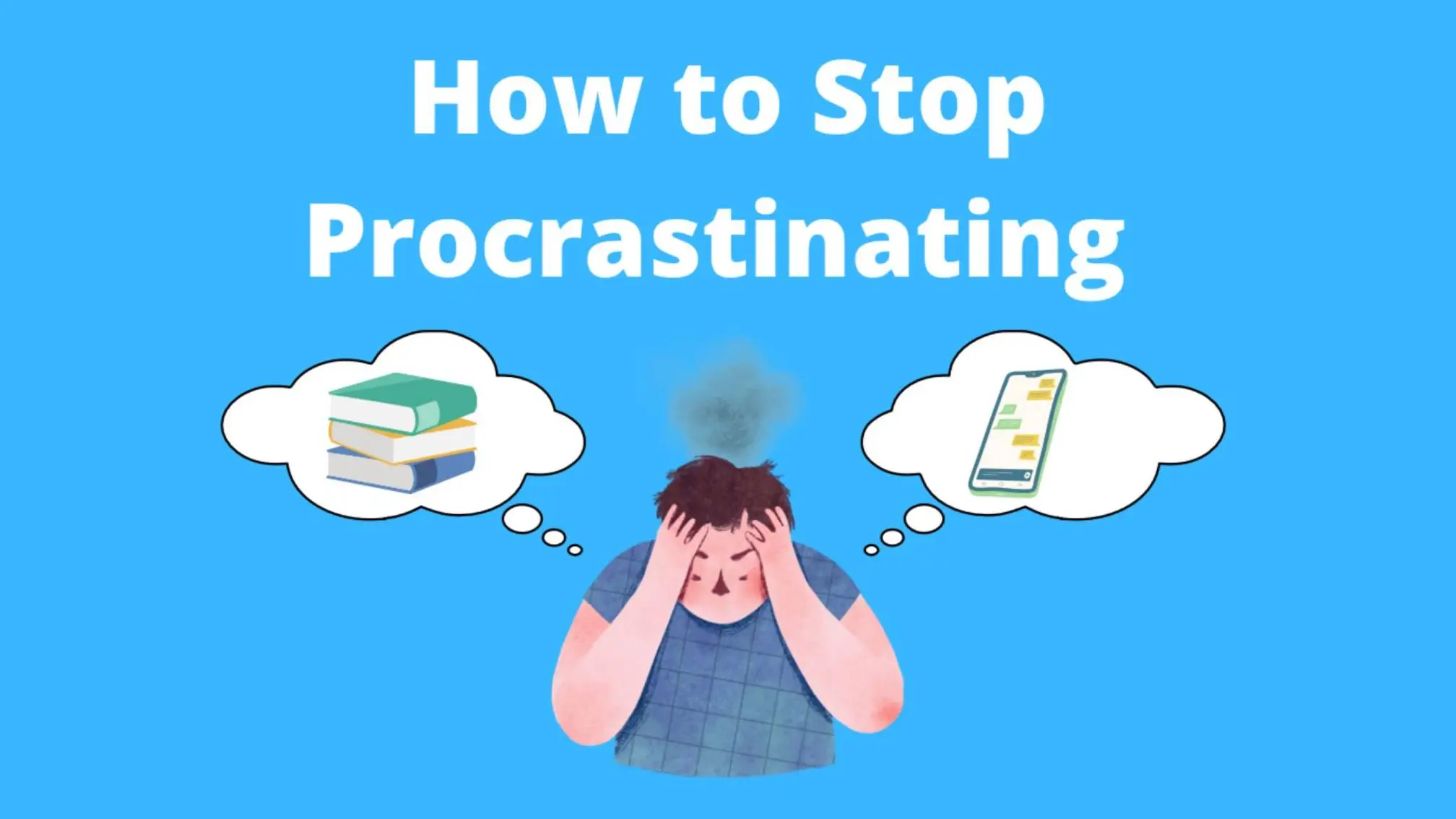
Try setting a short timerlike 10 or 15 minutesand work nonstop on the task you keep avoiding. Tell yourself you can quit when the timer ends. Usually, getting started is the hardest part. - Can time-saving techniques help with work-life balance?
Yes. Finishing important work faster means you're less likely to bring it home or stay late. Setting clear end times and batching tasks frees you up for real breaks and makes evenings less stressful. - What are common mistakes with effective time management?
A big mistake is thinking you can multitask your way through everything. You actually lose focus. Another one: skipping breaks. Working nonstop for hours tanks your brainpower. Also, tackling easy stuff first and never getting to the big tasks can leave you feeling behind. - How do I stick with new time management habits?
Go slow. Pick one thing to practice for a weeklike checking emails two times a day instead of every five minutes. Track progress and forgive yourself for slip-ups. It's normal to mess up; keep going anyway. - Wat if my job is always changing and unpredictable?
Make a loose plan each day but expect it to change. Leave space for emergencies. Try to control what you canlike grouping small tasks together or prepping for calls. Flexibility is a skill too.