You know those days where it feels like your to-do list is a mile long and you're playing whack-a-mole with emails, chores, and random stuff that just pops up? You're not alone. Time feels slippery. Sometimes, it gets away from us before we even realize it. But here's the thing: with a handful of good habits and a fresh take on time management, you can get more done, breathe easier, and give yourself space to grow into the person you actually want to be. Let's talk about how to do it, without buzzwords or boring lecturesjust real tips anyone can try.
Why Do We Struggle With Time (and What Can We Do About It)?
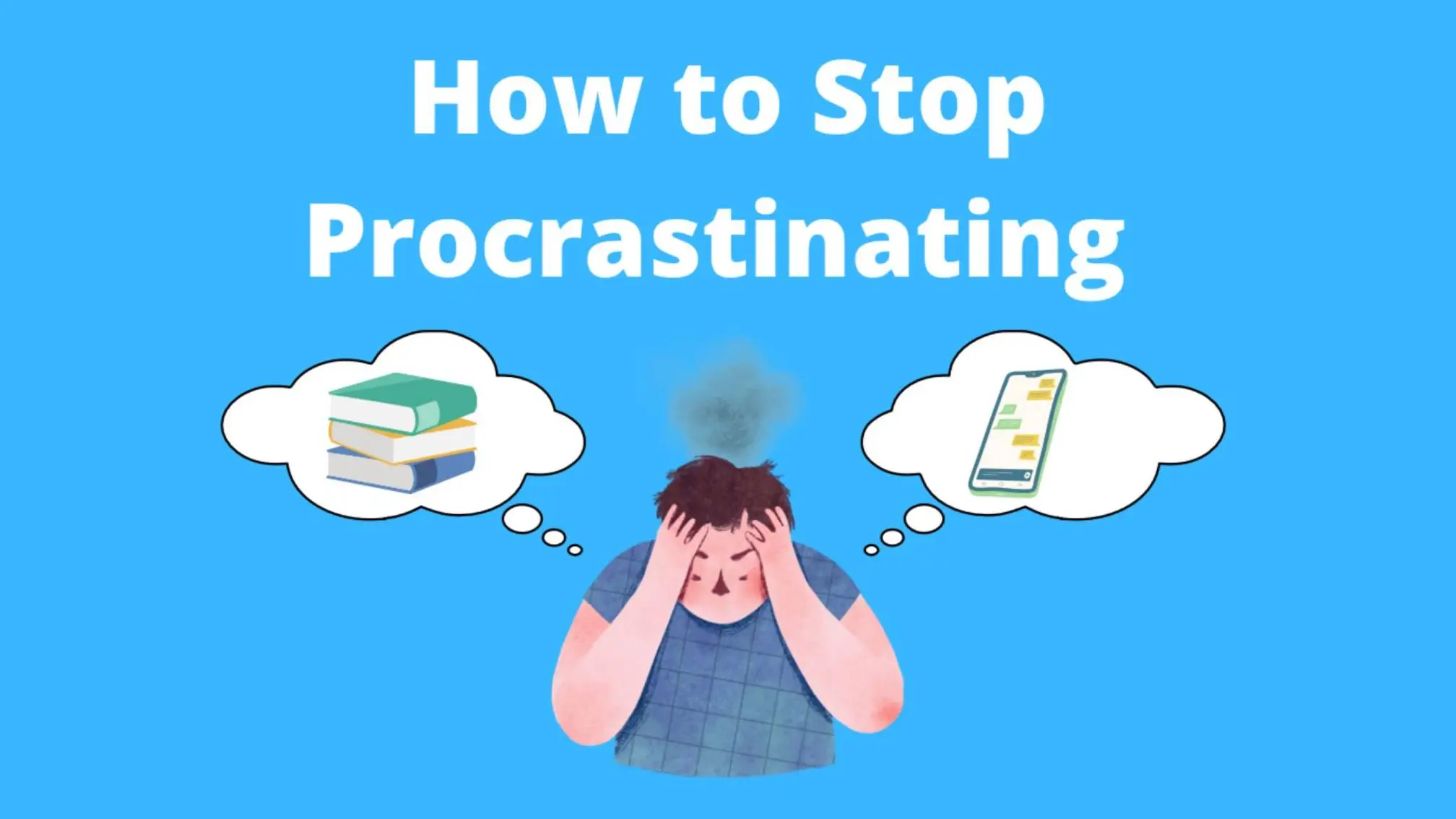
Everyone's dropped the ball on something. Maybe it's forgetting a birthday, missing a deadline, or running late way too often. Time management isnt about being perfect. Its about being honest with yourself about where your time actually goes and learning how to spend it better. When you start tracking your timeeven for just one dayit gets real, fast. You see the gaps where you scroll on your phone or procrastinate starting that big task. That awareness is powerful.
- If you've got goals, but never quite hit themyour system is off, not you.
- If you keep meaning to start something, but never doyoure not lazy. You just havent made space for it.
So what can you do? Start small. Write out one thing you want to finish each day. Keep it visible. Check it off, no matter how simple. When its done, give yourself credit. Momentum beats motivation, every single time.
Is Time Management the Same for Everyone?
Nope. What works for your organized friend might make zero sense for you. Some people thrive with strict schedules; some hate them. The key is to know yourself. If you get the most done in the morning, protect that time like a pile of gold. If you focus better with music, play it. Flexible routines can still work, as long as you stick with what matters most to you.
- Test morning and evening routines see which feels easiest to stick with
- Try blocking social media or email during deep work (use your phones focus mode)
- Keep a notepad nearby for things you remember at random times
When you design your day around your natural rhythms, things flow smoother. Youll still hit rough patches, but recovery is faster.
Which Productivity Techniques Actually Help?
Youve probably seen endless productivity hacks. Some are solid, some are hype. Dont try to do everythingpick one that sounds doable and run with it for a week. Here are a few that actually help normal people:
- Time Blocking: Split your day into chunks and focus on one thing for each. No multitasking.
- Pomodoro Method: Work for 25 minutes, then take a 5-minute break. Repeat. Short bursts keep you sharp.
- 2-Minute Rule: If it takes less than two minutes, do it now. It stops little tasks from building up.
- Eisenhower Matrix: Sort your tasks into four squares: urgent/important, not urgent/important, urgent/not important, not urgent/not important. Do the first, delegate or schedule the rest.
Tweak these for your life. Hate timers? Ignore them. Prefer sticky notes to a digital app? Go analog. The right system is the one youll use.
How Does Time Management Fuel Personal Development?
Great question. When you get a grip on your time, you open doors to personal development. You start finding pockets in your day to learn, move, reflect, or restwhatever lifts you up. Thats how you start seeing the real changes: Not in one big leap, but in tiny, regular steps that add up.
- Make space each week to check in on your goals
- Schedule time for self improvement projectseven if it's 10 minutes
- Celebrate progress, not perfection. A little better is a win
If you falter, thats normal. Personal development is a practice, not a destination.
What Are Common Time Management Mistakes?
Here's where things go sideways for most people:
- Trying to do too much at oncethen burning out
- Never saying no (to people, tasks, or distractions)
- Setting vague goals instead of clear, doable ones (like "exercise more" vs. "walk 10 minutes every day")
- Letting interruptions steal your focusphones, emails, endless notifications
You dont have to get it perfect. When you spot yourself slipping, adjust. Block off more downtime if you need it. Remind yourself of your "why." Notice whats working and what isnt, and change course as needed.
How To Set Goals That Dont Fizzle Out?
Big dreams are awesomebut too big and they freeze you in place. Break them down. If your goal is to write a book, start with a page a day. Want to get healthier? Swap soda for water this week. These little wins build real confidence.
- Make your goals specific: "Ill read every night for 10 minutes"
- Track progressuse a chart, app, or simple tick marks on a calendar
- Share your goal with someone. Accountability helps
Goals work best when theyre visible, meaningful, and tied to your own values. If you dont care about it, itll never stick.
How Can You Optimize Your Time Without Going Nuts?
No one wants to run on a hamster wheel. Time optimization is about making time for what matters mostnot squeezing a dozen more things into your day. Try these:
- Batch similar taskslike answering emails all at once
- Outsource or delegate stuff you hate, if you can
- Give yourself time to recharge. Rest isnt optional
- Review your weekwhat drained you, what energized you?
The goal is progress, not perfection. Aim for a little better than last week, and cut yourself some slack.
Can Time Management Help When Life Is Unpredictable?
Absolutely. The best time management habits give you a safety net for chaos. Even when plans go sidewayssick kids, surprise meetings, or sudden inspirationhaving a basic plan helps you bounce back.
- Build in buffer time for surprises
- Reorder your day if you need to
- Forgive yourself when things slip and start again tomorrow
No system will make every day perfect. But a good one helps you show up when it counts.
Whats Next? Make Your Time Work for You
You dont need to overhaul your life overnight. Pick something smalla goal, a habit, a routineand build on it. With practice, each win gives you more room to grow, create, and become your best self. In the end, time management isnt a finish line. Its the tool that helps you build the life you want, bit by bit.
FAQs
- What is the easiest way to start time management if I'm overwhelmed?
Pick one thing to focus on each day. Write it down somewhere you can see it, like a sticky note or your phone. Getting one thing done builds confidence. You can add more once it feels normal. - How can time management help with personal development?
Managing your time helps you make space for what matterslike reading, exercising, or learning something new. Even a few extra minutes a day, spent on yourself, can make a huge difference over time. - Are productivity techniques hard to stick with?
Some can be, but you dont need to use them all. Start with one that feels easy (like the Pomodoro method or 2-minute rule). If it doesnt fit, try another. The best technique is the one youll keep doing. - What are good goals for someone new to time management?
Start simple. Try finish one important thing before noon or no social media while working. Track your progress and adjust as needed. Small, clear goals work best when youre starting out. - How do I stop distractions from ruining my plans?
Put your phone in another room or use focus mode during important tasks. Set a timer to check messages later. Tell people when you need quiet time. he more you practice, the easier it gets to tune out distractions. - Can time management work if my schedule changes a lot?
Yes, it can. Use flexible routines that let you adjust when things pop up. Plan your top priority for each day, but be ready to shift if needed. Having a rough plan is better than noneeven with a changing schedule.