Trying to land your dream job used to mean studying at a big university, spending a fortune, then hoping someone noticed you. That's not the whole truth anymore. The future of online education is flipping the old rules upside down and putting you in control of your own path. Whether you're hunting for a better career, want to change fields, or just want skills that matter, online learning is the tool that makes big goals possible. In this article, you'll see how online education can get you closer to work you love, spot the trends that matter, and avoid headaches most people face along the way.
What's the Big Deal with Online Education?
Online education means you can learn any skill, anywhere, anytime. No fancy buildings, no long commutes. Want to become a coder or a marketer? You can do that from your kitchen table. This isn't about cutting corners. It's a way to get real-world skills that employers want, often faster and cheaper than traditional education.
- Own your schedule. Classes run when you run, not the other way around.
- Learn from experts all over the world.
- Get updates in real timecourses refresh faster than textbooks.
- Focus on what matters for your job, not endless required electives.
The big plus? Employers now care more about what you can do, not just where you learned it.
How Is the Future of Online Education Changing?
It used to be just videos and quizzes. That's old news. Now, online education gives you the kind of experiences you actually remember and use. Think real projects, getting feedback from pros, and meeting other studentswithout leaving home.
Here are some online education trends that make a difference:
- Courses that adapt to your style and speed (no more struggling to keep up or getting bored).
- Live sessions so you can ask questions in real time.
- Group projects with people around the globegreat for networking.
- Skills badges and micro-credentials that show what you know, not just what you finished.
- Flexible payment and subscription models, so you can pay as you go.
Bottom line: The future of e-learning is about making learning feel real, useful, and as close to on-the-job as possible.
Is Online Learning Right for You?
Anyone can try online classes, but some people shine more than others. If you like to move at your own pace, juggle family or a job, or get distracted in big classrooms, digital education is gold.
Here are a few signs online learning could work for you:
- You like controlling your own time and space.
- You don't mind asking for help in chats or forums if you get stuck.
- You're okay with not having a campus or in-person hangouts.
- You want to learn what's actually used in the field, not just theory.
The flip side? You need more self-discipline to keep on track, and it can feel lonely if you don't reach out to classmates. There's no magic buttoneffort still matters.
How Do Employers View Online Degrees?
Ten years ago, lots of employers gave side-eye to online degrees. That's changed in a big way. Most hiring managers have taken an online course themselves by now, and many big-name universities offer digital programs.
Here's what employers look for:
- Did you finish a reputable program?
- Can you show off what you learned (think: cool projects, skills tests, real work)?
- Can you talk about how you learneddid you problem-solve, work with a team, keep going when it was tough?
The proof is in the pudding: if you can do the job, how you got the skills matters less. Plus, many jobs now list skills or certifications instead of degree requirements. So, the online degree value is higher than ever.
What's Tricky About Online Learning?
Let's be realit isn't all smooth sailing. Here are the bumps most people hit:
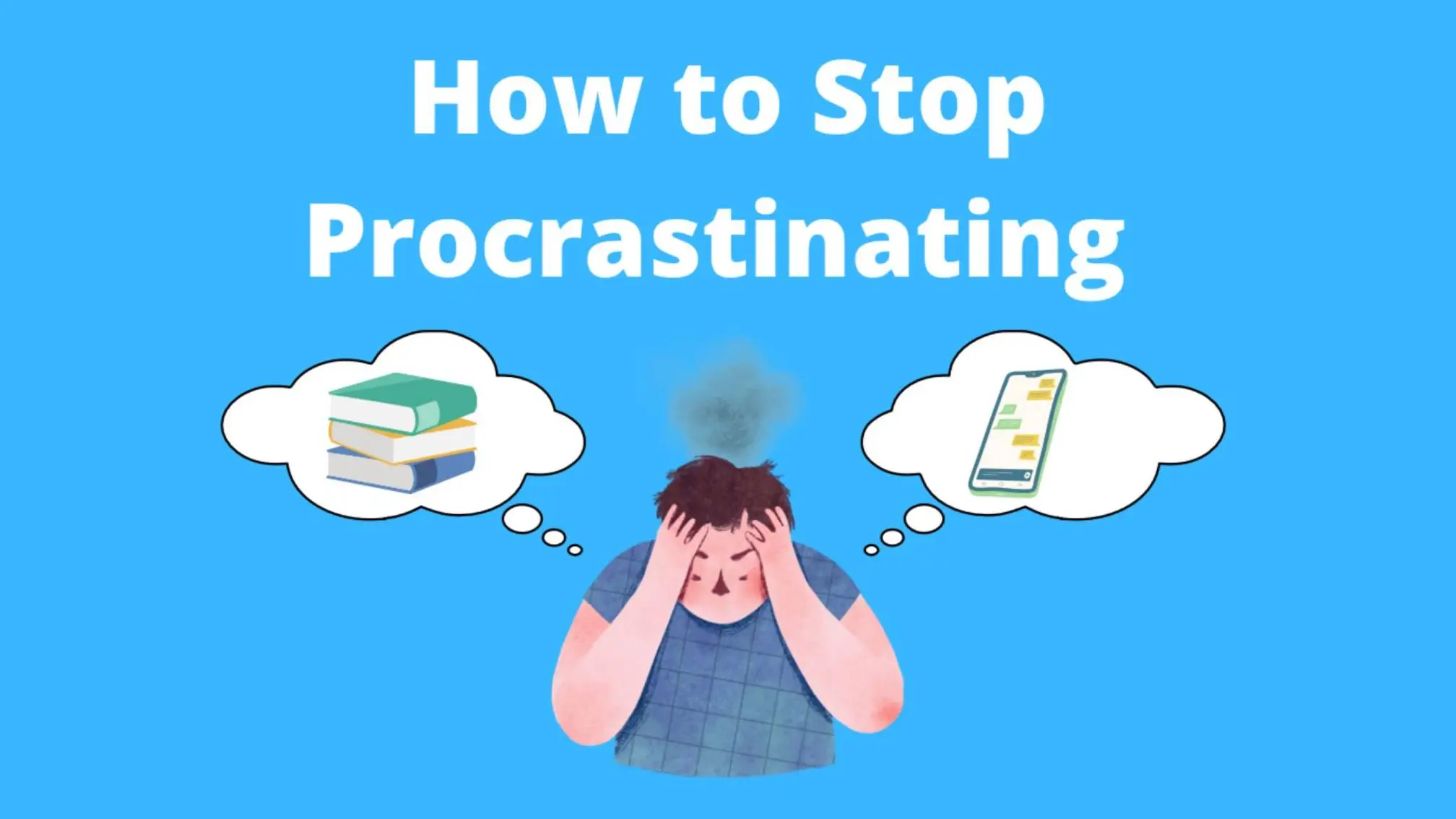
- Distractions at home (family, phones, snacksyou name it!)
- Not all courses are great quality. Some are just videos and little else.
- It's easy to let assignments slide without regular check-ins.
- Missing out on in-person networking unless you try harder.
What helps? Set up a space where you can focus, commit to learning with a friend, and pick programs with lots of chances to connectnot just watch videos.
How Do You Pick a Good Online Program?
With everyone tossing courses online, it's tough to pick one that won't waste your time. Here's what you should look for:
- Programs offered by schools or organizations you trust.
- Course content that's up to dateno ancient lectures.
- Options for hands-on work, not just memorizing stuff.
- Clear support linescan you ask questions, get feedback, and reach real people?
- Reviews from actual students, not just polished testimonials.
If you get stuck or the site feels shady, move on. There are plenty of quality options out there now.
What Skills Will Matter Most in the Future?
With the speed of change, nobody can know every answer. But trends show employers crave:
- Technology skills (but you don't need to be a coder for everything)
- Creativity and problem-solving
- Communication, especially online
- Ability to learn fast and adapt
Pick online courses that give you these, and you'll stand out no matter what job you pick.
Final Thoughts
Getting your dream career isn't out of reach. The future of online education means you can learn what you need, when you need it, from anywhere. Stay curious, be picky about your courses, and don't be afraid to take actioneven if it feels a little risky. Try one new course this month, add the project to your resume, and see what doors start to open for you.
FAQs about the Future of Online Education
- Is online learning as effective as classroom learning?
For many people, yes. You get the same material, but on your schedule. Some people find it easier to focus and learn at their own speed. It works best if you set up time to study and talk with teachers or classmates when you need help. - What online education trends should I watch?
Look out for courses with live classes, real projects, and quick feedback. Also, programs that give badges or certificates for finishing parts of the course, not just the whole thing. These trends make it easier to show what you've learned. - Do online degrees have value for jobs?
More employers are saying yes. If your program is from a trusted school and you can explain what you learned, it counts. Show them your projects or skills, not just the certificate, to stand out more. - What if I struggle to stay motivated online?
You're not alonelots of people find it hard. It helps to make a simple schedule, join group chats, and tell a friend what you're working on. That way, there's someone to check in and cheer you on. - Can I learn practical skills through digital education?
Definitely. Some online programs use real-world tasks, like coding apps or making marketing plans, as part of the lessons. Pick programs with hands-on practicenot just watching videosand you'll get the skills employers want. - Is online education good for career changes?
Absolutely. Many switch careers by learning online, getting new skills fast, and showing what they can do. It takes some effort, but you control the pace and can start applying your new skills right away.