Ever look at your to-do list and wonder if someone's sneaking in extra work when you aren't looking? Some days, it really feels that way. Between meetings that could have been emails, the actual emails piling up, and surprise tasks popping up every hour, it's easy to get overwhelmed. The truth? Most people aren't bad at their jobs—they just need better workload management strategies. If you want to stop scrambling and start feeling in control, you're in the right spot. You'll pick up tools and tricks anyone can use, whether you're juggling a team or working solo, at home or in an office.
What are workload management strategies, really?
Let's strip out the buzzwords. Workload management strategies are how you decide what gets your attention, when, and how long you spend on it. It's not just about working faster. It's about making sure important things get done without burning out.
- Prioritize smartly: Not everything is urgent. Figure out what's making the biggest difference and start there.
- Set limits: It's fine to say no (or not yet) to tasks that aren't critical.
- Break it down: Big projects look less scary when you tackle them piece by piece.
- Use the right tools: A notebook or an app—doesn't matter as long as it helps you see what's coming and what's done.
If you skip this stuff, it's like trying to run a marathon in flip flops. You'll get somewhere, but it's going to hurt.
Why do we get so overwhelmed at work?
Feel like you're always behind? It's not just the amount of work. It's usually a mix of a few things:
- Constant interruptions (thanks, notifications and surprise visitors)
- Unclear priorities (when everything feels urgent and nothing really is)
- Trying to do too much alone (some folks have a hard time asking for help)
- Missing out on good time management tips that could save hours
When these pile up, even simple tasks can start to feel heavy. If you've ever finished a day and wondered what you actually accomplished, you're not alone.
How can you set priorities without guessing?
No more flipping coins to choose what to do next. Here's a fast way:
- List out tasks: Write everything down, big or small.
- Tag by impact: Which tasks actually move things forward? Mark those.
- Deadline check: Deadlines matter, but so does value. Set a time for each task, starting with high-impact ones.
One tip: If you find you keep skipping a task, ask if it's truly important or just habit. You don't have to do something just because it's always been done.
Time management tips that make a real difference
- Pomodoro technique: Work 25 minutes, take a 5-minute break. Rinse and repeat. You'll get more done than you think.
- Batch similar tasks: Answer emails in one go instead of all day long.
- Schedule your distractions: Give yourself a slot to check your phone or talk with coworkers—not every five minutes.
The first time you set real boundaries on your time, it will feel strange. You might even feel guilty about it. But youll quickly notice you finish things faster and with less frustration.
How to organize tasks so nothing slips through the cracks
Keeping all your to-dos in your head is like juggling with your eyes closed. Try these organizing tasks methods:
- Use a single list or board for everything (not five sticky notes and three apps and your memory)
- Sort by due date or by project
- Set reminders for bigger deadlines
- Review your list at the start and end of each day
You dont need fancy systems. Just one simple, clear place where you can see whats up next.
Productivity techniques that actually stick
- 2-Minute Rule: If something takes less than two minutes, do it now.
- Chunk your biggest job into easy sections
- Leave buffer zones in your day for unexpected stuff
Trying to work non-stop is a trap. Breaks help your brain recharge. Take them even if you think youre too busy—youll get more done, not less.
What if you mess up or fall behind?
No one follows the perfect plan. Some days go sideways. If you fall behind, dont panic.
- Reset your list and focus on what you can finish now
- Let someone know youll need more time if it matters
- Drop any guilt about unfinished work—learn and move on
Your schedule is a guide, not a judge. Missing a deadline once doesnt mean youre failing. Honest.
How do you reduce work stress when your plate's full?
Tight deadlines, big projects, and endless emails can make anyone tense. The trick isnt to ignore stress—its to tackle it directly.
- Take a walk or just step away for a few minutes
- Talk it out with a friend, teammate, or mentor
- Use breathing exercises when things feel too much
- Celebrate small wins as you go
A little stress can push you, but too much can break your focus. Treat self-care like a legit part of your workday. Its as important as any meeting.
FAQs about workload management, productivity, and work stress
- Q: What's the first step to improve workload management?
A: Start with a single list of everything on your plate. Even if it's messy, seeing tasks in one spot makes it easier to set priorities. Once you've got your list, mark what matters most and set deadlines. This makes your mountain of work look more like a hill you can climb. - Q: How can I avoid procrastination at work?
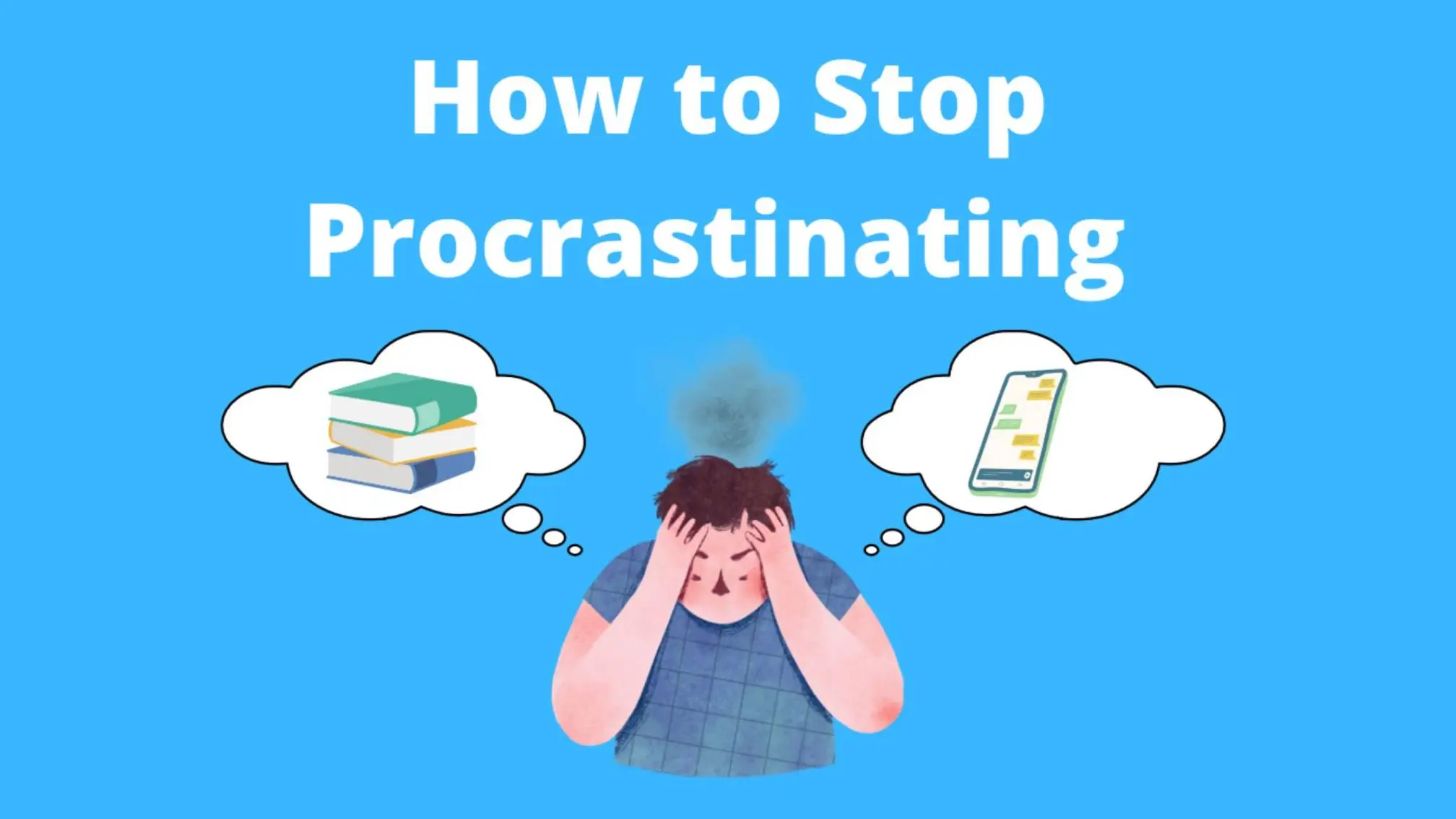
A: Break your jobs into tiny pieces. Pick one piece and do it for five minutes. Usually, once you're moving, it's easier to keep going. If you get stuck, try switching tasks for a short break instead of doom-scrolling your phone. - Q: Which productivity technique works best for busy people?
A: Many busy folks like the Pomodoro technique. You work in bursts then take quick breaks. It helps focus and keeps your energy steady. Play around with different time blocks and see what feels right for your day. - Q: How do I say no to extra tasks without upsetting my boss?
A: Be honest and clear. Say you've reached your limit for today and will do a better job with what you already have. Offer a plan for when you could take on more. Most bosses appreciate someone who wants to deliver quality work, not just more work. - Q: What's a quick way to reduce work stress?
A: Take five slow deep breaths and stretch your arms or legs. It sounds too easy, but pausing for a minute resets your stress level. Bonus points if you can step outside or get some sunlight. - Q: Can organizing tasks really help with work-life balance?
A: Absolutely. When you know what needs doing and what can wait, it's much easier to leave work behind at the end of the day. A simple plan beats chaos every time.
Getting control of your workload isn't magic. Start small, try out a few strategies, and tweak what doesn't fit. Over time, you'll notice things feel less out of control, and you'll have more energy for the stuff that matters—at work and everywhere else.