Your alarm goes off and you groan. Another day, but your dreammaybe a new job, a side hustle, or even picking up guitarnever seems any closer. You've probably heard people brag about finally learning something new as an adult. Ever wonder how they pulled it off?
Let me tell you a not-so-secret secret: adult education isn't about going back to high school. It's about learning new skills that fit your life nowno boring lectures required. In this guide, you'll get real answers on what works, what doesn't, and the simple trick the best adult learners use to make progress that actually sticks.
Why Learning New Skills as an Adult Feels Different
When you were a kid, learning happened without much thought. As an adult, things are stacked against you. Time's tight, confidence can take a hit, and let's be honeststarting something new feels risky. So, why bother with skill development for adults?
- It opens job opportunities you didn't have before
- It can make everyday life smoother, from fixing stuff at home to using new tech
- It boosts confidence (even if you stink at first)
- Your brain actually gets healthier with new challenges
I once tried to learn coding at age 32. The first week was a mess. But by tackling it five minutes a day, I didn't quit. That's the trick: baby steps, but with a plan.
What's the Real Secret Hack of Adult Learning?
The so-called "hack" is much simpler (and less dramatic) than you think: Break big goals into tiny daily actions. Adults need quick wins to stay motivated. If you try to do too much, you'll bail by week two.
How to Do It
- Pick one skill you wantnot what others say you should learn
- Choose the smallest action you can repeat daily (watch a 5-minute language video, write one paragraph, strum one song)
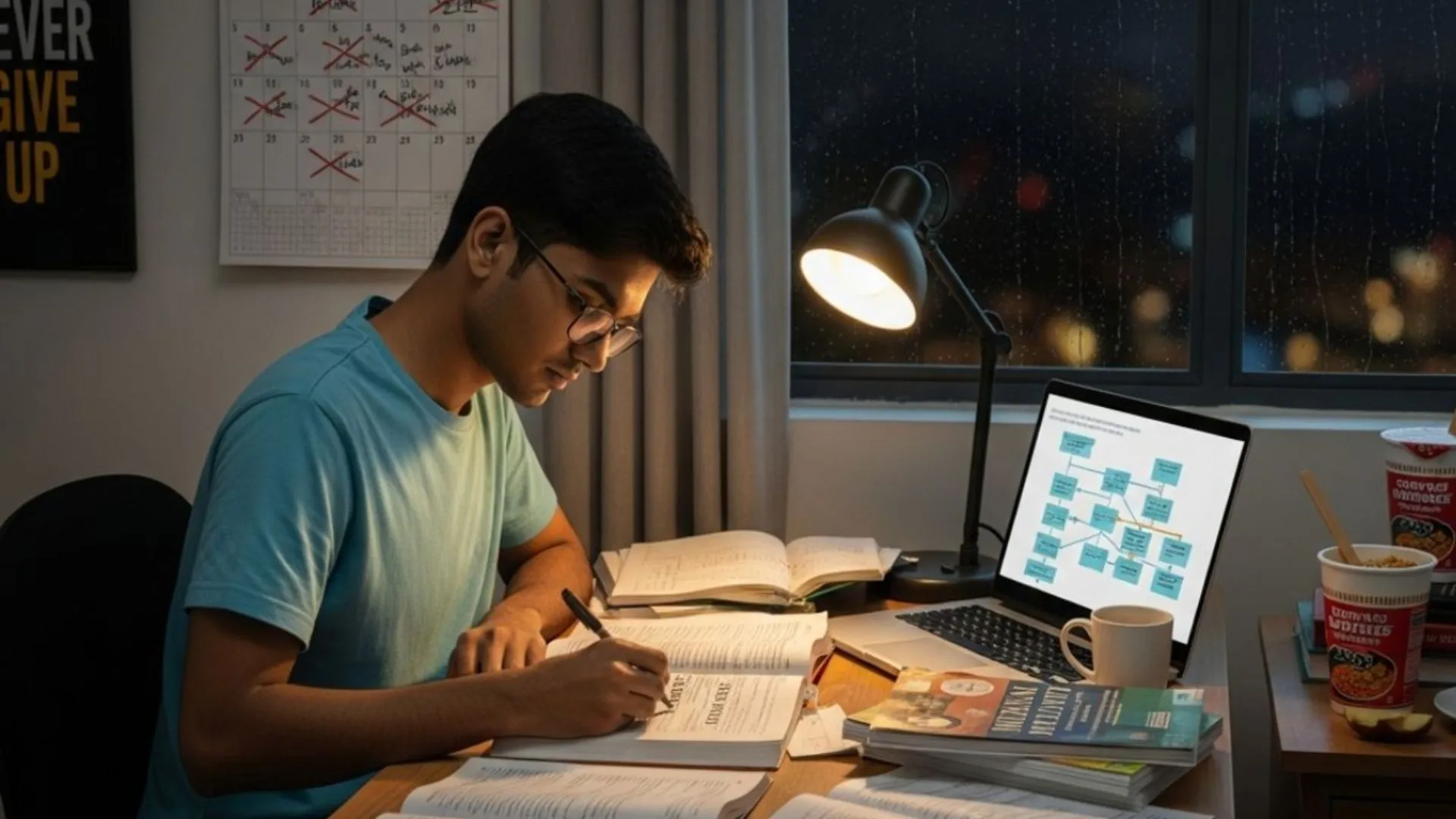
- Track your streaksmake it visual, like crossing days off a calendar
- Reward yourself for sticking to it, not just for getting it perfect
Why does this work? Success builds more success. When you can see a streak, you'll want to keep it going.
Which Adult Education Programs Actually Work?
Not all learning programs are created equal. Some treat you like a kid, which never ends well. What should you look for in good adult education programs?
- Flexible schedulingso you can fit sessions around your life
- Real-world practice, not just lectures
- Supportive teachers or mentors who get what adult life is like
- Courses focused on a single skill or goal at a time
- Community or group supportaccountability helps
I once signed up for a course with three-hour lectures. I never finished. Then I tried a class with 10-minute lessons and hands-on challenges, and that was a win. Pick what fits your real schedule.
What Are the Best Adult Learning Techniques?
There's no one-size-fits-all formula, but some adult learning techniques work better than others. Adults learn by connecting what they're learning with what they already know. Here's what helps:
- Chunking: Take big topics and break them into bite-sized pieces
- Practice by doing: Reading about swimming doesn't teach you to swim
- Spacing: Spread your learning out over weeks, not crammed into a weekend
- Reflection: Stop and think, "Did I get that? What worked? What didn't?"
Once I tried to memorize a list of Italian words by repeating them a hundred times. I forgot them in a day. But when I used them at dinner"passami il pane" (pass me the bread)I never forgot. Using what you learn is the golden rule.
What's the Hardest Partand How Do You Push Through?
The hardest part of skill development for adults isn't the brainwork. It's sticking with it when life gets busy or when progress feels slow. If you've quit before (most people have), here's what probably knocked you off track:
- Trying to do too much, too fast
- Getting discouraged by slow progress
- Feeling like a beginner (again) and losing confidence
- No one to cheer you on
What helps? Start smaller. Celebrate small wins. Share progress with a friend. And, most importantly, forgive yourself if you hit a rough patchmost folks need a few tries to build a new habit.
How Can You Make Adult Education Stick?
If you've tried and quit before, you're in good company. To make a skill or habit last, make it visible and give yourself reminders. Here are tricks that help busy adults:
- Leave your guitar out on a stand instead of in a case
- Set alerts on your phone for learning sessions (but don't snooze them every time!)
- Mark your streaks on a wall calendarseeing progress beats wishing for it
- Share your small wins with people who care (even if it's a group text)
One friend taped a sticky note to his mirror that said, "Did you practice today?" After a month, the answer was yesalmost every day.
What Can Go Wrong (and How Do You Handle It)?
Let's be real: life gets in the way. The top mistakes adults make are:
- Starting five goals at once (you can't juggle everything)
- Comparing yourself to super-fast learners online
- Expecting perfect progress (spoiler: no such thing)
- Not planning for "bad weeks" where you fall off
If you miss a few days, don't scrap the whole thing. Restarting is better than quitting. You're in this for the long run. It's not a failureits a normal part of learning new skills as an adult.
FAQs About Adult Education and Learning New Skills
- Q: Is it too late to start learning a new skill as an adult?
A: Not at all. Adults pick up new skills every day. Your brain can change and grow at any age. It might feel weird to be a beginner, but that passes fast when you see progress. - Q: What if I have almost no free time?
A: You don't need hours. Use small windows of timelike five or ten minutes daily. Even short practice adds up. The trick is consistency, not marathon sessions. - Q: Are online adult education programs really helpful?
A: Many are, especially if they offer short lessons and real practice. Check for programs that have good reviews, flexible scheduling, and hands-on challenges. - Q: How do I stay motivated when progress is slow?
A: Expect some slow weeks. Track your streaks, tell a friend what you're doing, and reward yourself for sticking with iteven if the results aren't instant. Motivation builds over time. - Q: What's one mistake adults make when trying to learn new skills?
A: Trying to do too much, too fast. Pick one goal. Make it tiny and doable. Big changes come from small actions stacked up day after day. - Q: How do I choose which skill to learn first?
A: Pick something you'd enjoy using, not just what others say is practical. If you're curious or excited, you'll be way more likely to stick with it.
Learning as an adult isn't about being perfect or the fastest in the room. It's about showing up, giving yourself grace, and making real progressone tiny step at a time. Grab that skill you've put off, break it down, and start today. Your future self will be glad you did.