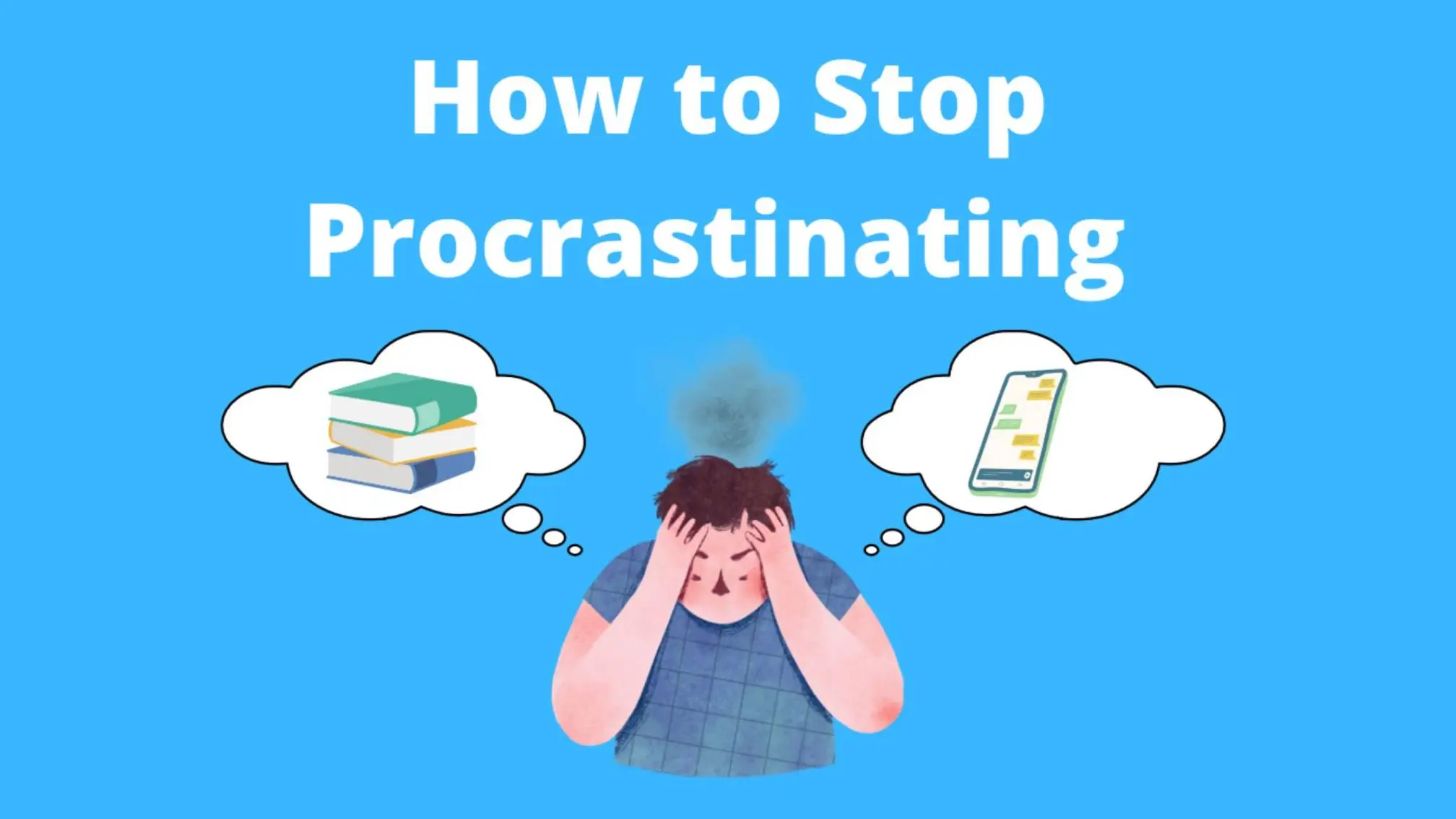
We all start the day with the same number of hours, but some people seem to do it all and still have time for what matters. Ever wondered how they do it? The answer is simple: time management strategies that actually work. You don't need to be a robot or give up fun to feel more in control. In this article, let's get into real-world, no-nonsense strategies that help you win back your hours, tackle your to-do list, and still have room for life. Ready to stop feeling behind? Read on.
What Are Time Management StrategiesAnd Why Should You Care?
Time management strategies are plans or habits that help you use your time better so you're not constantly playing catch-up. It's not about doing more; it's doing what matters most without burning out. If your days feel like a blur, or if "I'll do it tomorrow" is your motto, learning a few strategies can change your life.
- Get more done with less stress
- Clear the mental clutter
- Have actual free time for people and hobbies
The big payoff? You feel in control instead of overwhelmed.
Which Strategies Work Best? Real-World Examples
1. Prioritizing Like Your Sanity Depends On It
Start with what has to get done, not what you'd like to do. One simple trick: each night, list the top 3 things that matter most for tomorrow. Don't aim for a dozen taskspick what moves life or work forward the most.
- Work task that can't wait
- Chore you keep putting off
- One small thing that's just for you
It's freeing. You wake up knowing what counts and can ignore the noise.
2. Time Blocking: Make Appointments With Yourself
This means putting chunks of focused time on your calendar for certain tasks. Treat it like you'd treat any doctor's appointment. For example, set 30 minutes in the morning for deep work, and later block another half hour for emails. Stick to your blocks as much as possible, but don't beat yourself up if you have to move one.
- Keeps tasks from bleeding into each other
- Helps with improving focus
- Builds healthy boundaries around your time
3. The 2-Minute Rule: Kill Small Tasks Fast
If something will take two minutes or less, do it the moment you notice it. Reply to that quick text or file that document right away. Don't turn tiny tasks into big mental clutter. It adds up, and your to-do list stays shorter.
4. Say No (A Lot More Often)
Saying yes to everything is the fastest way to lose all control. If something doesn't line up with your priorities, say noor at least "not now." It feels awkward at first, but it frees up space for what matters most to you.
5. Batch Similar Tasks Together
Doing similar tasks all at once saves brainpower. Check all your emails at one time. Run errands in one trip, not four. It lets you get in a groove and avoid constant switching that kills productivity.
How to Spot Bad Habits That Wreck Your Schedule
Slipping into time-wasting habits is way too easy. Here are a few to look out forand kick to the curb.
- Checking your phone every three minutes
- Letting meetings run way too long
- Saying yes to "urgent" stuff that's not even important
- Trying to multitask (spoiler: it doesn't actually work)
- Dragging out simple jobs just to avoid the bigger ones
Not sure where your time's going? Track your day for a week, even roughly. You'll spot your biggest time leaks right away.
How Do You Stay Productive Without Burning Out?
High productivity doesn't mean running full speed all day. In fact, that's the quickest way to crash. Here are some ways to stay sharp without frying your brain:
- Breaks matterstep away for a walk, even 5-10 minutes will help reset your focus
- Use the "done for the day" rule: when your top tasks are done, give yourself permission to stop
- Mix in things you enjoy, even small treats during the day
- Keep weekends as clear as possible from work tasks
Remember, good work-life balance isn't a luxuryit's a way to keep winning in the long run. If you don't build in rest, your focus and mood will fade fast.
What's the Secret to Sticking With New Habits?
You don't need willpower of steel or a fancy system. Tiny changes, repeated daily, work best. Set reminders until new habits stick. Celebrate when you get it right, and forgive yourself fast when you slip up. The habit that's easy to keep is the one you'll actually do.
- Start smallone new strategy at a time
- Use triggersfor example, tackle an important task right after coffee
- Track your progress, even with a simple checklist
What If Your Schedule Totally Blows Up?
No matter how dialed in your plan is, life can (and will) get derailed by emergencies or surprises. When that happens, don't stress about what you "should" have finished. Pick one thing that's most urgent, handle it, and reset for the next day. Flexibility is part of any good strategic planning.
Quick Productivity Tips That Actually Work
- Prep for tomorrow the night beforelay out clothes, review your 3 key tasks
- Keep your workspace clear (less mess = fewer distractions)
- Use a simple timer or phone alarm for work sprints
- Turn off notifications when doing deep work
- Ask for help when you're totally stuck or overloaded
One Last Thing: Your Time Is Yours
You don't have to use every tip at once. Pick one time management strategy and try it for a few days. If it sticks, add another. Over time, you'll notice you have more control over your hoursand your days won't feel like they're running you. You've got this.
FAQ
- What's the simplest time management strategy to start with?
Try the "top three tasks" method. Each night, write down the three most important things you want to tackle tomorrow. Focus on getting these done first. It's simple, and it helps you head to bed knowing what really needs your attention. - How can I improve my work-life balance with better time management?
Set clear start and end times for work, even if you work from home. Block time for personal stuff the same way you do for meetings. Leave space on your calendar for breaks or fun. Tiny changes like these add up to real work-life balance. - What should I do if I keep getting distracted?
Try working in short bursts, like 25 minutes of real focus followed by a five-minute break. Turn off phone notifications or use "do not disturb." If you're still getting off track, jot down distractions to handle later instead of switching tasks. - Is multitasking good for productivity?
Nope. Doing more than one focused task at once usually means you don't do either well. It's better to finish one thing and then start the next. Your brain likes it, and you finish faster in the end. - How do I stick with time management changes when I'm busy?
Start super small, like using one trick each week. Use reminders until it feels natural. Tell a friend what you're tryingthey might check in with you, which helps you stay at it. If you mess up, just start fresh the next day. - Can these strategies help with improving focus?
Absolutely. Blocking time, using short sprints, and cutting out distractions all make it easier to stay focused. When you know what your top priorities are, it's also less tempting to wander off to other things.