Ever feel like your to-do list is out to get you? Like as soon as you check off one thing, three more tasks pop up? You're not the only one. Everyone battles the never-ending list. But here's the secret: it's not about doing everything. It's about doing the right things. That's where real prioritization strategies come in.
What Are Prioritization Strategies (And Why Should You Care)?
Prioritization strategies are ways you sort your tasks so the most important stuff gets done first. It sounds basic, but you'd be surprised how easy it is to get trapped in busywork. The right approach means you'll finish what moves the needle, not just what looks urgent.
Why does this matter? Because crossing off the right task can save you hours of stress later. It helps you work smarter, not just harder. You get to the end of the day feeling like you actually achieved something, not just spun your wheels.
- Youll clear out mental clutter
- You cut down overtime hours
- You feel more in control
- You see real results, not just empty effort
The first time I tried this, I thought Id get less done. But the opposite happened. I knocked out my top priorities for the week and my evenings were finally mine again. Try it for one week and watch how your stress level shifts.
Which Prioritization Strategies Actually Work?
The Eisenhower Matrix: Will This Change Your Day?
The Eisenhower Matrix is a fancy name for a simple trick. You make a square with four boxes. Label them:
- Urgent and important (do these now)
- Important, not urgent (schedule these)
- Urgent, not important (delegate if possible)
- Neither (ditch or defer these)
This helps you see what really matters. A lot of tasks feel urgent, but aren't important. Use this method and you'll quickly spot what you can drop without guilt. It's freeing. You might even get your lunch break back.
The Ivy Lee Method: Old-School But Powerful
Here's how it works: At the end of each workday, write down your six most important tasks for tomorrow (no more than six). Rank them by true importance. Next day, start with number one and don't move to number two until you've finished it. Move any unfinished items to tomorrow.
- No endless lists
- No switching tasks a million times
- Turns busy days into focused days
I tried this when I felt swamped by too many projects. By 2 pm, most days, my hardest job was already done and the rest were way easier to handle.
The ABCDE Method: Assigning Weight to Your Tasks
This method is simple but brutal in a good way. Assign each item on your to-do list a letter:
- A: Must-do (serious consequences if not done)
- B: Should-do (good to do, but not critical)
- C: Nice-to-do (no real consequence)
- D: Delegate (someone else should do it)
- E: Eliminate (doesn't need to get done by anyone)
Focus on A tasks firstdont even glance at B until A is done. This keeps you from drifting into the 'easy' stuff while the big items pile up. I had a boss who lived by this. Now I see why his days always ran smoother than mine.
How Do You Actually Pick What to Prioritize?
This part trips up most people. You look at a giant list and everything feels urgent. But ask yourself:
- Will something bad happen if I skip this task today?
- Is this helping me reach a bigger goal?
- Am I doing this out of habit, or does it actually matter?
Sometimes, the real priority isn't the loudest task. It's the one quietly waiting thatll cause problems later if ignored. For example, answering emails feels productive, but if a big client proposal sits unfinished, thats a bigger risk. Choose the task with the biggest payoff or consequences first.
What If Everything Feels Important? (Spoiler: Its Not)
This is where people stumble. Your boss, family, or even your brain is shouting at you to do it all. Here's what helps:
- Ask for claritysometimes, you just need to ask, "What's truly urgent?"
- Break down big jobs into smaller pieces
- Say 'no' to tasks that dont move the needle
- Block out time for deep work, protect it
Remember, good prioritization strategies aren't about making everything fit. They're about making the right things fitand letting the rest wait.
Common Mistakes People Make With Prioritization
- Confusing what's urgent with what's important
- Letting other people's emergencies become yours
- Trying to multitask (you'll get less done, not more)
- Never delegatingdon't be the hero, ask for help
- Changing your priorities every hour
The first week you try this, there will be hiccups. Youll forget to rank tasks, or youll slip back into old habits. Thats normal. Stick with it, and you'll notice it gets easierlike muscle memory for your brain.
How Do Prioritization Strategies Boost Productivity?
Good prioritization means you spend your energy on what matters most. Youll stop feeling overwhelmed. Over time, you get faster because youre not switching focus constantly. Youll handle small fires, but not let them run your day.
- You finish high-impact work first
- You make fewer mistakes rushing at the end
- You free up time for breaksor unexpected problems
One week, I ignored these tips and let my emails run my day. I barely finished my main project. The next week, I blocked email for two hours and tackled top tasks first. I finished two full projects and felt way less frazzled. Its not magic, its picking the right focus early.
FAQs About Prioritization Strategies
- Whats the easiest prioritization strategy for beginners?
Start with the Ivy Lee Method. Write down your top six tasks for tomorrow. Do the first one before moving to the next. Its simple and you dont need any apps or tools. - How do I know if a task is important or just urgent?
Ask yourself: Will skipping this today have real consequences? Important tasks help your long-term goals. Urgent ones just want your attention right now. Focus on what's important first. - Can prioritization strategies help with procrastination?
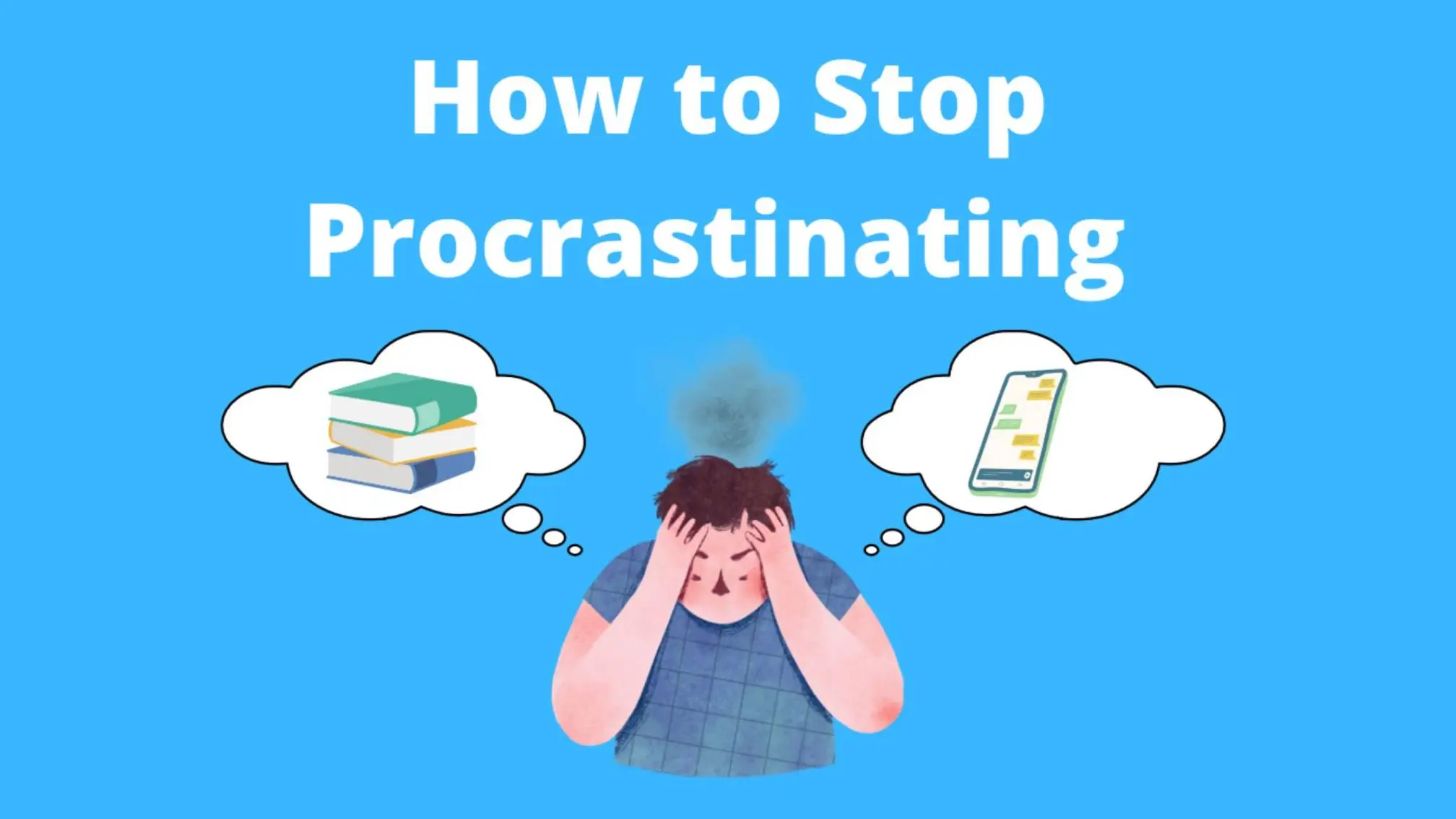
Yes. These strategies break big jobs into clear steps. When you know exactly what comes next, its less scary to start. You spend less time stuck and more time doing. - Is it better to use an app or paper for task prioritization?
Use whatever youll stick with. Some people love apps that sort and remind. Others prefer scribbling on a sticky note. Pick the system that's easiest for you to use every day. - What if my priorities change suddenly?
That happens to everyone. When something truly urgent pops up, pause and re-rank your list. Dont throw out your planjust adjust. Youre still in control. - How often should I revisit my priorities?
Check them daily. Take five minutes each morning or night to reshuffle if things moved around. A quick adjustment saves headaches all week.
There are lots of productivity tips out there, but the most powerful is knowing what not to do right now. Try one of these prioritization strategies this week. Test, tweak, and see what fits your work style best. Pretty soon, being productive wont feel so hard. Turns out, less busywork equals more doneand yes, you get your free time back too.