Why Do Smart Education Strategies Matter?
Smart education strategies are habits and tricks that help you study betternot harder. They're about making your time count. Whether you're aiming for all As or just want to pass without burning out, these strategies give you more control.
- Help you save hours each week on homework
- Make boring subjects easier to stick with
- Boost confidence for tests and class discussions
- Lower stress levels (and yes, more free time matters too)
Think of them as your secret shortcutminus the guilt or anxiety. No more spending Saturdays stuck at your desk getting nowhere.
What's the Difference Between Studying Hard and Studying Smart?
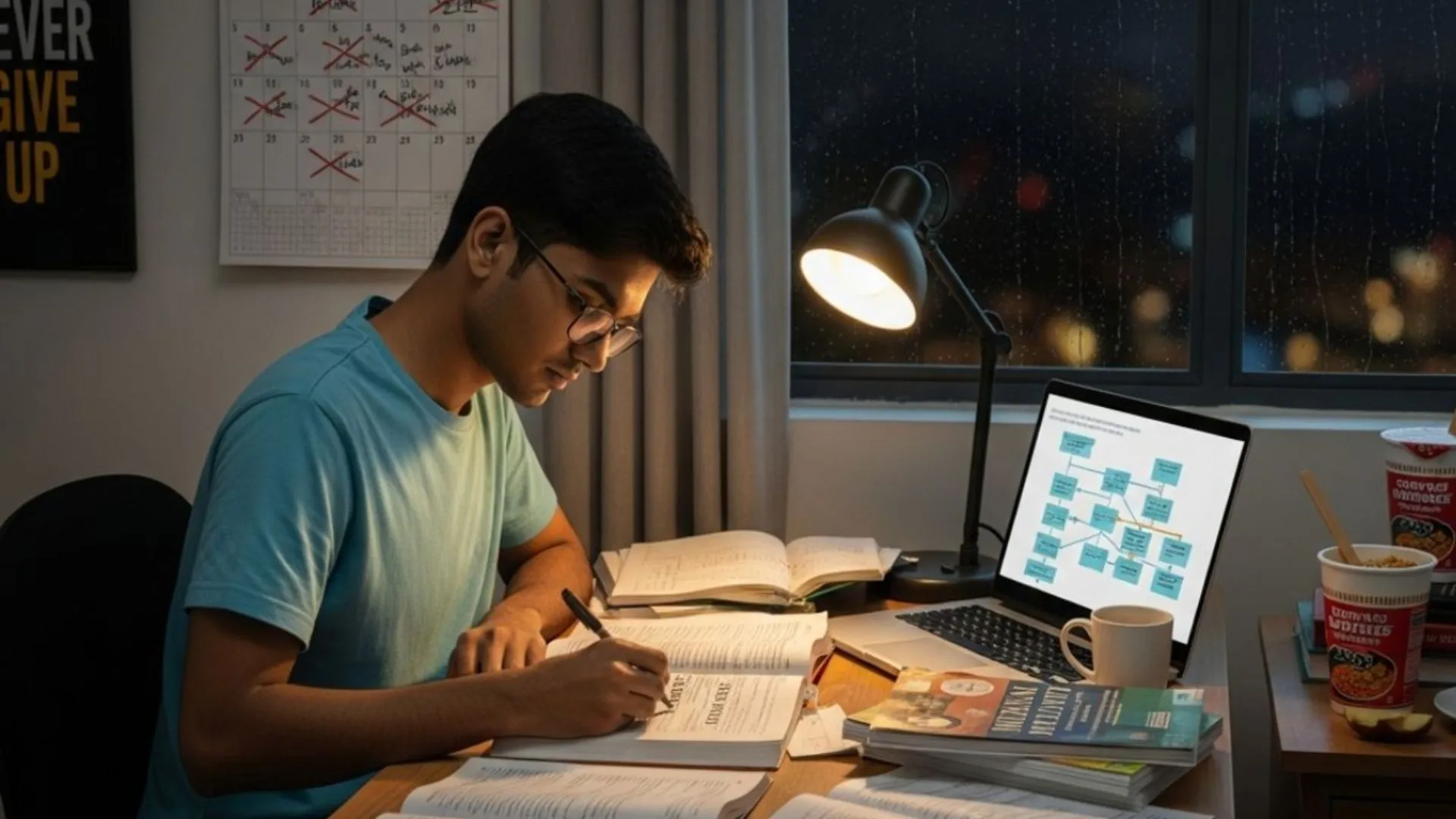
Studying hard looks like this: rewriting notes over and over, pulling all-nighters, reading the same paragraph ten times. It means effort but not always real results. Studying smart means finding the method that sticksthen using it on purpose. It's about:
- Short, focused sessions (not three-hour slogs)
- Switching how you study to keep your brain awake
- Planning ahead so you never stare down a chapter at the last second
The first time I tried making flashcards for history, it felt weird. But after a week, I was answering questions without even reaching for my notes. It's small tweaks like this that add up.
Which Effective Study Techniques Actually Work?
There's a lot of hype about the best way to study. Here's what helps most people (and science backs it up):
- Active recall: Test yourself. Cover up your notes and try to explain the topic out loud.
- Spaced repetition: Spread your study sessions over several days, not just one long night.
- Chunking: Break info into smaller pieces. Five mini-topics are easier than one giant block.
- Teaching someone else: If you can explain it simply, you actually get it.
- Mixing it up: Switch subjects every 30-45 minutes so your brain stays fresh.
What could go wrong? The biggest mistake is sticking to what feels easiest (like re-reading) instead of what actually works (like practice questions).
How Can Educational Planning Save Your Sanity?
Think of planning as setting up your GPS before a road trip. Even if you hit traffic (unexpected homework), you know where you're going. Educational planning means:
- Mapping out your week: Schedule what you need to study and when
- Setting deadlines for big projectsbefore the teacher does
- Having a regular spot and time for study, so it becomes a routine
I used to write assignments on any old scrap of paperthen lose them. Switching to a planner app kept everything in one place. Less anxiety, more done. Sound boring? Maybe. But having a plan clears space in your head for stuff you like.
What Are the Best Learning Methods for Different Subjects?
There's no one-size-fits-all study hack. Math and English need different muscles. Try these:
- Math and science: Practice problems. Don't just read the stepswork them out yourself.
- Languages: Listen and speak every chance you get. Use apps or talk to a friend.
- History/Social studies: Make timelines or story maps. Turn facts into a story.
- Literature: Write quick summaries after each chapter. It helps spot big themes.
If one way isn't working, switch it up. The goal is to remember and use what you learn, not just see it once and forget.
How Can You Boost Student Productivity Without Burning Out?
Book piles and never-ending to-do lists are a recipe for stress. The goal: get more done in less time, and feel better doing it. Heres what helps:
- Break up big tasks. Tackle one step at a time, not the whole mountain at once.
- Use timers (like the Pomodoro Technique): 25 minutes of work, 5-minute break.
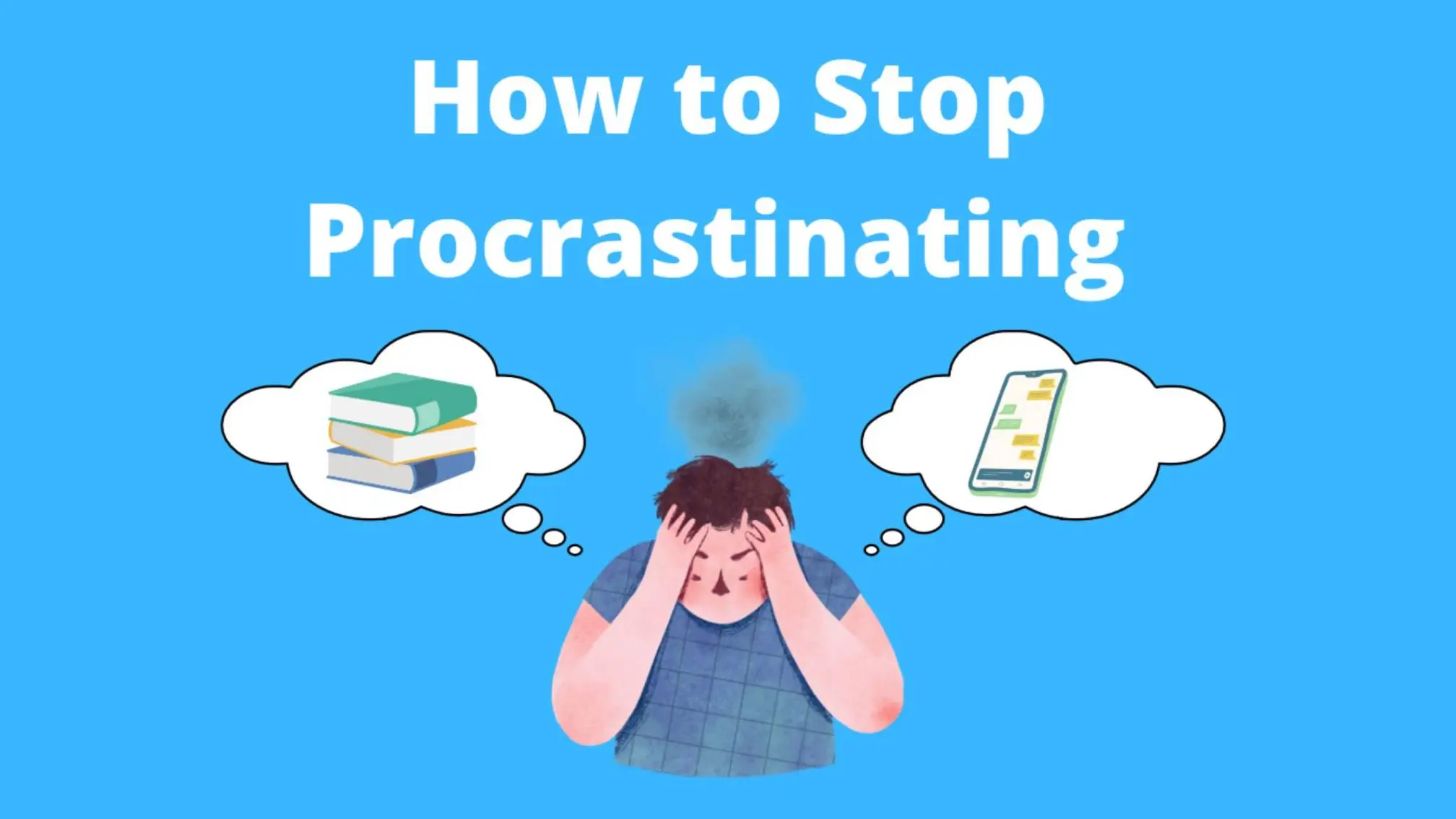
- Remove distractions: phone in another room, close extra browser tabs.
- Celebrate small wins: Finished a worksheet? High five yourself.
No one is productive all the time. If you're stuck, step away for a snack or fresh air. You'll come back stronger.
Common Mistakes Smart Students Avoid
- Waiting until the last minute to start assignments
- Reviewing notes without testing themselves
- Trying to memorize everything instead of understanding big ideas
- Skipping sleep to finish homework (sleep helps memory!)
- Studying with the TV or music on (your brain can't split focus)
It's normal to slip up. The trick is to notice what's not workingand try a different strategy next time.
Feeling Stuck? Here's How to Turn Things Around Fast
It happens: grades slip, motivation tanks, and everything feels overwhelming. What now? Try this:
- Talk to someone: Teachers, friends, counselorsthey're all resources
- Start small: Pick one subject or assignment and finish it
- Forgive yourself for what you missed. You're starting fresh now
Getting better at school is a skill, not a magic superpower. Anyone can learn itincluding you.
FAQs
- What are the top three smart education strategies for busy students?
Active recall, spaced repetition, and planning ahead. These help you remember material longer and keep you from cramming, even when your schedule is packed. - How can I improve my grades quickly using effective study techniques?
Use short, focused study sessions and test yourself after each one. Reviewing smaller sections often works faster than marathon sessions. Stay consistent and you'll notice a boost. - What's the best way to plan my week for academic success?
Write down assignments and break big tasks into daily steps. Check off what you finish. A visual list keeps you on track and helps you avoid last-minute stress. - Can these strategies help with test anxiety?
Yes. Smart education strategies like practicing with sample questions help you feel more prepared. When you know you've studied well, nerves are easier to handle. - How do I pick the best learning methods for each subject?
Try different methods and see what helps you learn bestpractice for math, talking for languages, drawing diagrams for science. Swap techniques until you find what sticks. - What should I do if I fall behind?
Don't panic. Talk to someone you trust, start with one small task, and focus on catching up little by little. It's always possible to turn things around, even if you missed a few steps.
Take what works for you from these smart education strategies and add your own twist. Every student is different. What matters most is finding a way that feels doableand sticking with it. You don't need to be perfect to see awesome results. Start with one change this week. You've got this.