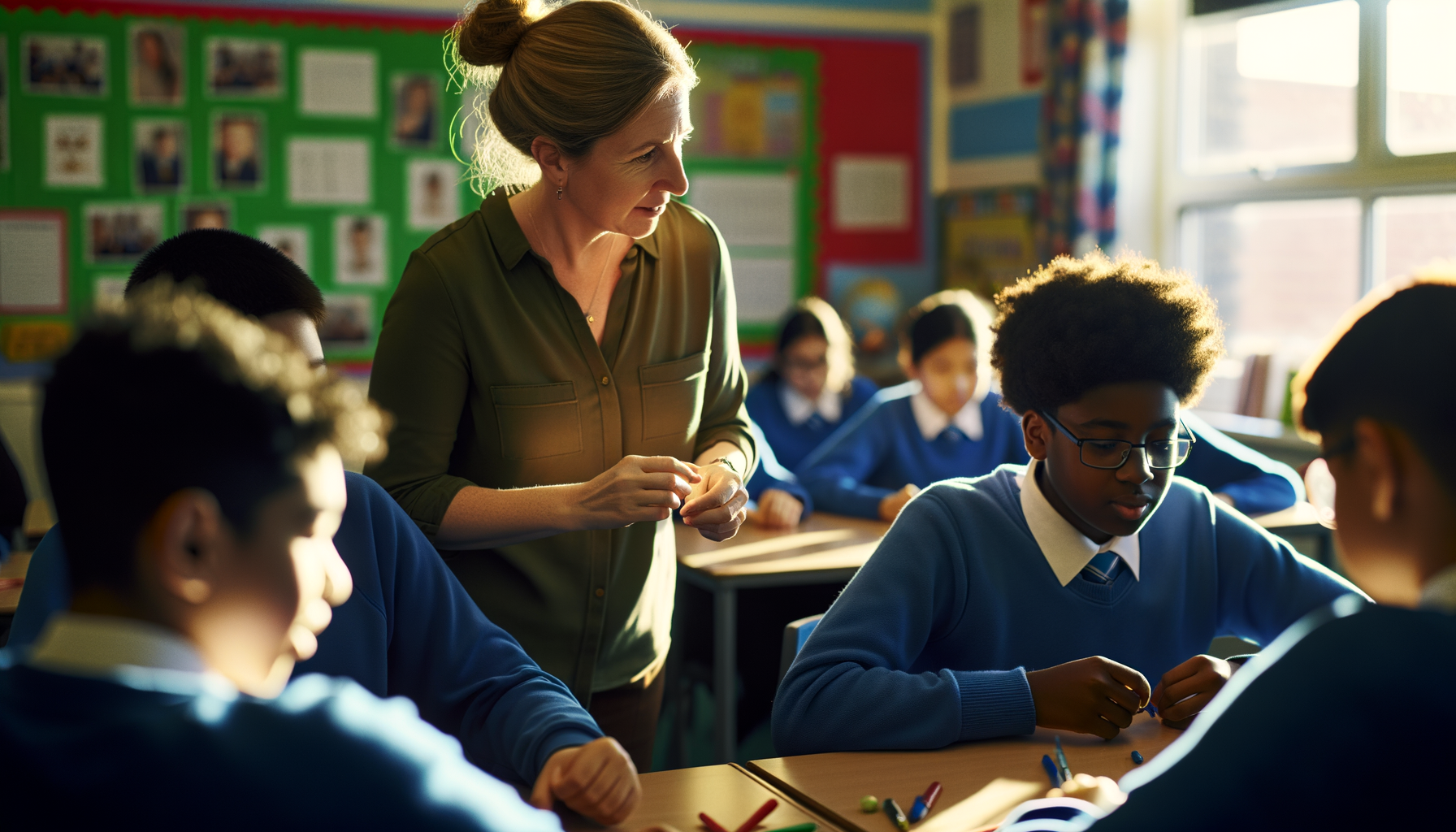
Picture a room full of kids. Some are swapping Pokémon cards, a few whisper secrets, and one brave soul just offered half his sandwich to a new kid. None of this is on a lesson plan, but it's as important as anything students study. This is where socialization in classrooms happens, usually when nobody's looking. It's the secret sauce teachers add so every kid feels like they belong.
What is Socialization in Classrooms, Really?
It's more than sitting next to someone during science. Socialization is how students learn to talk, listen, argue, make up, and figure out where they fit in. It's the daily practice of being a person, right there alongside math and reading.
- Trading snacks (and learning to share)
- Pairing up for projects
- Picking teams at recess
- Asking for help (even when it's hard)
Every one of those moments teaches kids how to handle real life. The classroom is just a safe place to practice until it gets less scary.
Why Does Socialization Even Matter?
If you ever wondered how a shy kid becomes the class comedian or how two students whod never talk outside school become science partners, its all about socialization. It's what builds classroom social interaction and bonds. Without these skills, good grades don't get kids very far.
- Social skills open doors friends, clubs, work, life
- They help students handle conflict, not just avoid it
- Kids feel seen, so coming to school feels less like a chore
Teachers know this stuff sets kids up long after they've forgotten what was on last week's spelling test.
How Do Teachers Quietly Guide Socialization?
It looks like teachers are just moving desks around or making seating charts. In reality, they're building a miniature society where everyone gets a role. The teacher role in socialization is a bit like being a director and a coach all at once.
- Teachers nudge kids to work with new partners
- They put out little fires before they burn into bigger ones
- They model how to apologize or accept feedback
- They pay attention to who's left out, and fix it without a fuss
The best teachers make this look easy, but it takes serious skill. And pizza parties dont hurt, either.
What Happens When Socialization Goes Wrong?
No mix is perfect. Some days the class clicks, other days nobody wants to share the crayons. Bad socialization can mean bullying, isolation, or a kid who never raises their hand in fear of being teased.
- Cliques form, and new kids feel shut out
- Small fights can turn into bigger problems if ignored
- Some students get labeled as "trouble" when they're just misunderstood
Its on teachers, sometimes even classmates, to spot these patterns early and change the script. Asking a quiet student to be a group leadereven just for five minutescan totally flip their day.
Real-Life Social Skills: The Classroom Laboratory
Think of the classroom as practice for the real world. Kids learn to:
- Take turns and share (not glamorous, but super useful)
- Stand up for a friend when it counts
- Settle arguments with words, not shoves
- Handle feeling awkward or left out (happens to everyone, by the way)
These arent "extras." They're basic survival gear. Teachers hand them outsometimes literallyevery single day.
How Can Teachers Build a Strong Classroom Community?
It doesn't happen by accident. Building a classroom community takes small moves, like greeting every student, celebrating weird holidays, or letting students decorate a wall with their favorite jokes.
- Start simple: Morning check-ins or daily questions
- Mix up partners and groups often
- Include games or get-to-know-you activities
- Give every student a job or responsibility
If the class feels like a team, kids support each other outside the classroom, too.
What Are Signs Socialization is Working?
You know it's working when students open up, celebrate each other's wins, and bounce back after fights. Youll see kids help with homework or invite someone to sit at their lunch table. The vibe just feels better. Parents might notice their kid is suddenly more confident or tells more stories about their daygood signs social skills in school are growing stronger.
What Can Parents and Caregivers Do?
Parents are part of the magic, even if they're not in the classroom. Some things help:
- Chat about what happened at school, not just grades
- Model how to solve small problems calmly
- Encourage friendships with lots of different kids
- Remind kids everyone feels nervous sometimesit's normal
Teachers and parents together make sure socialization isn't just luck, but something every kid gets to learn.
Big Takeaway: Socialization in Classrooms Sets the Stage for Life
The math and reading are important, but without socialization, school misses half the point. When teachers work their invisible magic, classrooms become places where everyone can grow, mess up, and belong. That's how real learning sticks. If you're a teacher, parent, or even a student, your small actions shape the classroom community daily. That's where the magic ishidden, but powerful.
FAQ: Everyday Questions on Socialization in Classrooms
- Q: How do teachers help shy students get involved in classroom social interaction?
A: Teachers often pair shy students with friendly classmates or give them simple roles in group activities. That way, they can join in without feeling completely put on the spot. Over time, this helps shy kids feel more comfortable making friends and joining conversations. - Q: Why do some kids struggle with student socialization at school?
A: Some kids might be nervous, new, or just don't know the "rules" of chatting with others. Teachers and classmates can help by being patient and inviting them into games or group work. Everyone opens up in their own time, so it's normal for some kids to need a little extra help. - Q: What happens if social skills in school aren't taught well?
A: If schools skip teaching or practicing social skills, kids might have trouble making friends or working in groups later on. They could also be more nervous about speaking up or handling conflicts. Practice and encouragement help everyone feel included and ready for real-life situations. - Q: How can parents support their child's classroom community from home?
A: Parents can talk about friendships, help their child problem-solve, and encourage empathy. Asking open questions about their day or helping them plan a playdate can make a huge difference. Showing interest tells your child socializing really matters. - Q: Are there easy ways teachers can build classroom community?
A: Yes! Things like greeting each student, using fun group icebreakers, and letting kids help with classroom jobs work wonders. It doesn't need to be fancyconsistency and care build that "we're in this together" feeling over time. - Q: What role do classmates play in student socialization?
A: Classmates set the tone! If they include others and stand up for each other, everyone feels safer and more willing to join in. Teachers guide things, but students have the power to make the classroom a place where everyone can be themselves.