Kids are natural question-askers. If you've ever spent five minutes with a curious eight-year-old, you know. They want to know how planes fly, why leaves change color, and what would happen if robots could paint. For years, schools taught science and maththe STEM stuffseparate from art and creativity. But what if bringing them together could get kids even more excited to learn? That's where STEM to STEAM education comes in, and why it's taking off in classrooms everywhere.
What's the Difference Between STEM and STEAM?
Before STEAM, it was all about STEM: Science, Technology, Engineering, and Math. Teachers pushed hard on equations, experiments, and coding. But then people noticed something missingroom for imagination. So, they added an 'A' for the arts. STEAM learning means using creativity alongside problem-solving. Think building a bridge and then designing it to look awesome.
- STEM is like building a robot that walks.
- STEAM is building a robot that dances, tells a story, or even paints.
Adding art isn't about making kids into painters. It's about letting them express what they know in new ways. That helps lessons stickand makes learning feel way less like a chore.
Why Does Integrating Arts in STEM Matter?
Here's what happens when you mix arts with science and math:
- Kids think outside the box instead of sticking to one "right" answer.
- Shy students find ways to shine (singing a science song, for example!)
- Problems feel less like a test and more like a challenge you want to solve.
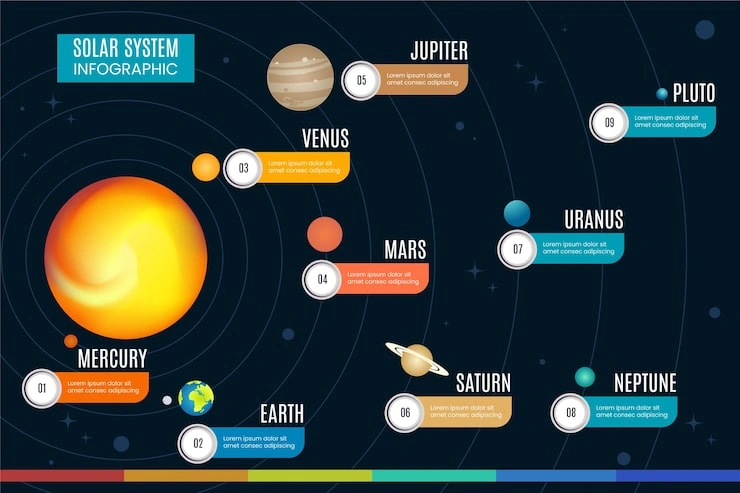
One teacher told me her students remembered more facts about planets after writing a rap about the solar system than from reading the textbook ten times. That's the benefit of STEAMit sneaks learning into fun.
What Does a STEAM Curriculum Look Like?
You don't need fancy gadgets or a degree in painting. Good STEAM curriculum is all about combining subjects in ways that make sense for your students. Here are some examples:
- Engineering: Build cardboard boats, then decorate and test them in water races.
- Math: Write and perform a song about fractions.
- Science: Act out the parts of a plant in a silly classroom play.
- Technology: Animate a short movie to explain how volcanoes work.
Some schools host "STEAM nights." Parents and kids work together on projects. (Lots of glue, zero boredom.) But even one small project a month gets kids thinking in new ways.
What Are the Benefits of STEAM?
If you're still wondering if it's worth the trouble, here are the big wins:
- Confidence: Kids who don't like math might discover they're awesome at designing or presenting.
- Teamwork: Projects get kids working together, not just filling out worksheets solo.
- Real-world skills: Mixing art and logic is what adults actually do at work (think design, marketing, programming, or architecture).
- Love of learning: When kids are excited, they actually remember things.
Real Talk: Challenges With STEAM Learning
If STEAM is so great, why isn't every school doing it? For starters, teachers need time and training. Not everyone feels ready to mix science with art, especially if they've always done it the old way. Then there's the "Will this help test scores?" pressure. Some families or teachers worry kids aren't learning the basics.
Here's the truth: No system is perfect. Sometimes a project is messy, a lesson falls flat, or the art side takes over and nobody remembers the math. But that's okay. The key is to balance both, try new things, and accept there's no magic formula.
How Can You Start STEAM in Your Classroom or Home?
Whether you're a parent or a teacher, you can add STEAM without overhauling everything. Try these quick wins:
- Let kids draw comics about the water cycle.
- Use music apps to mix a beat about multiplication facts.
- Have a "design contest" for the coolest looking egg-drop contraption.
- Encourage kids to tell a story using math patterns or codes.
Start small. Once you see kids getting more curious, you'll want to keep going.
How Do You Know If It's Working?
Forget test scores for a second. Watch if students ask more questions, show off their projects, or talk about school with excitement. That's real success. One mom told me her daughter started drawing complex bug diagrams after a STEAM lesson about insects. She'd always thought bugs were gross, but making art helped her understand biology in a brand new way.
Common Mistakes With STEM to STEAM Education
- Trying to force art into every lesson (sometimes simple is better)
- Making projects that are "busy work" and not tied to real learning
- Thinking art is always painting or music (it can be writing, drama, or digital design too)
- Worrying more about the "look" of a project than what kids learned
If you mess up, that's fine. Every teacher and parent does. The point is to keep experimenting.
What Happens Next? Give STEAM a Try
If you've been nervous to add more creativity or worried your kid isn't into science, STEAM can help. You don't need anything fancyjust a willingness to mix things up, try new projects, and follow where your kid's curiosity leads. It won't be perfect, but it'll be memorable. That's what real learning looks like.
FAQs
- Q: What's the main advantage of switching from STEM to STEAM education?
A: Adding art brings more creativity. Kids learn science and math, but also get to think differently and use their imagination. It makes boring subjects fun, and helps kids who feel left out shine. - Q: Could STEAM make it hard for students to learn the basics?
A: Not if it's balanced. Good STEAM lessons teach core facts and skills, just in a more fun way. If you keep the focus on learning, the basics sticksometimes even better than with old-school methods. - Q: How do you blend arts into a STEM lesson without getting off track?
A: Connect art to the main topic. Like, have students build a cardboard volcano, then decorate it and tell its story. The art shouldn't distract; it should help explain the science idea. - Q: Are there good STEAM activities for parents to try at home?
A: Absolutely. Make a homemade parachute, paint math patterns, or write silly songs about planets. You don't need special suppliespaper, markers, and imagination are enough to start. - Q: What's the biggest challenge for teachers with STEAM?
A: Time! It can be tricky to fit creative projects in a packed schedule. Some teachers also feel nervous trying art activities. Start simple and build confidence as you go. - Q: Is STEAM just for younger kids?
A: Nope. High schoolers can design robots, create science podcasts, or use graphic design in biology class. The bigger idea is making any subject more creative, no matter how old the student is.