Why STEM Education Programs Are a Big Deal for the Future
Think about your favorite gadgets, the apps you use every day, or even how food gets from a farm to your table. Behind all of those are people who used science, technology, engineering, or math. That's what STEM is all about. STEM education programs give students the tools, curiosity, and skills to step into those real-world roles.
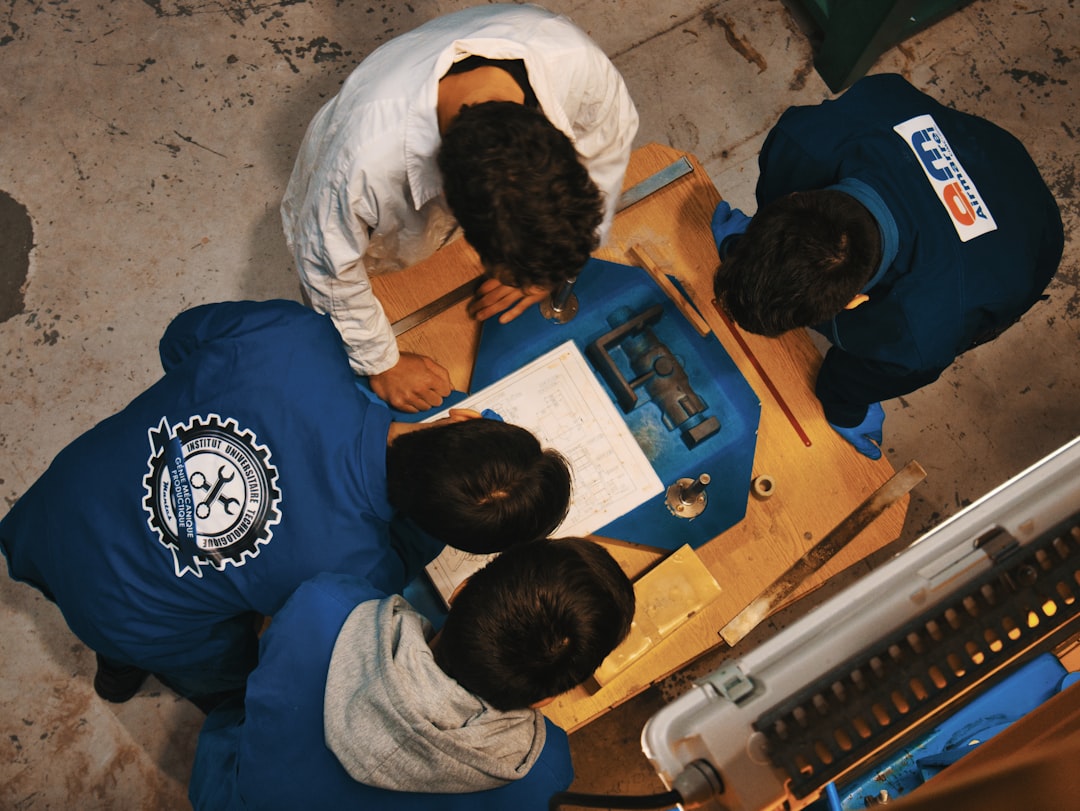
But here's the catchSTEM in school doesn't have to be boring. It's not just textbook memorization or endless equations. Great STEM programs use hands-on projects, group challenges, and technology that gets you thinking. You get to see why what you're learning matters and how it can lead to real jobs, not just a grade.
What Makes a STEM Program Stand Out?
There are a million choices out there, so what separates the so-so programs from the ones that truly help build future careers in STEM? The answer: real-world experience, engaging projects, and genuine support for students from all backgrounds.
- Projects that solve actual problems (like building a solar oven or coding a simple video game)
- Access to modern techrobots, 3D printers, coding kits, you name it
- Mentors and teachers who bring energy, experience, and patience
- Connections to local businesses or colleges for internships or field trips
- Room for creativity, mistakes, and trying again
Programs that check these boxes don't just teach factsthey help you grow confidence and curiosity.
Real STEM Career Pathways: What Can You Do with STEM?
Ask a bunch of teens about STEM jobs and most will say "doctor" or "engineer." But STEM career pathways are way broader. There are roles in gaming, environmental science, cybersecurity, biotech, and even sports analytics. Honestly, if you like solving problems or tinkering with ideas, there's a STEM job for you.
Some examples of future careers in STEM:
- Designing eco-friendly buildings as a green architect
- Analyzing data for sports teams as a statistics whiz
- Studying animal behaviors with new tracking technology
- Improving medical tools that save lives
- Creating movies with computer graphics
Not every job needs a PhD. You can find options with certificates, two-year degrees, or apprenticeships. The path isn't one-size-fits-all, and that's good news for everyone.
How Innovative STEM Learning Keeps Things Interesting
You know what kills curiosity? Sitting in a desk, copying notes all day. The best STEM education opportunities flip the script. They're about trying, tinkering, failing, and laughing along the way.
A lot of programs use things like:
- Robotics clubs where you actually build and race bots
- Math nights with real-world puzzles (not just worksheets)
- Science fairs with wild, fun experiments
- Field trips to see STEM careers in action
- Group challenges where it's okay to mess up first
Innovative STEM learning gives you the chance to get your hands dirty, work with others, and find what truly excites you. Plus, you pick up skills that matter in any fieldlike teamwork, problem-solving, and grit.
What Are the Real Benefits of STEM Education Programs?
Sure, STEM classes might get you ready for a job. But they also do way more:
- Build confidence to try new things
- Teach you how to think, not just what to think
- Make math and science way less scary
- Show you how learning connects to real life
- Help you stand out when applying to schools or jobs
And for students who might not have the same opportunities at home, strong STEM programs can totally change the game. Public libraries, after-school clubs, and non-profits offer programs to help bridge the gap, making sure everyone gets a shot at something cool.
What Could Go Wrong? Common STEM Education Mistakes
No program is perfect. Sometimes, things don't go as planned:
- Programs focus too much on lectures, not enough on doing
- Kits and tech are fun at first, but lessons get repetitive
- Teachers lack support or training with new tools
- Only a few students get involved (like the "math kids")
- Lack of diversitygirls and kids from underrepresented groups might not feel included
If you spot these issues, speak up! The best programs change based on feedback and welcome everyone to join.
How to Find the Right STEM Program for You or Your Kids
- Start local: Check schools, libraries, or community centers
- Ask about hands-on learning, not just lectures
- Look for programs that highlight a mix of STEM career pathways
- Find opportunities open to all, regardless of background
- Don't be shy about trying a fewyou'll find what fits
It doesn't have to cost a fortune. Many of the best experiences come from low-cost or free extras like clubs, contests, and workshops.
Quick Takeaway: Your Future in STEM Starts Small
STEM education programs aren't just for science geeksthey're for anyone curious about how things work or wanting to make a difference. You don't need perfect grades or fancy equipment. What you do need: a willingness to ask questions, try stuff, and keep going even when it's tricky. A little courage now can turn into a future where you solve real problems and help shape the world.
FAQs About STEM Education Programs
- What is a STEM education program?
A STEM education program is a class, club, or activity focused on science, technology, engineering, and math. These programs mix hands-on projects and real-world skills to make learning fun and useful. They're not just for future engineersanyone can join and learn something new. - Are there STEM opportunities outside of school?
Yes, tons! You can join coding workshops, science fairs, maker clubs, or even online challenges. Many libraries and community centers offer free or low-cost STEM activities for all ages. You can find something whether you're in a big city or a small town. - What if I'm not a math or science whizshould I still try STEM?
Absolutely. STEM isn't only about being great at math or science. It's about being curious, asking questions, and not being afraid to try things. Many people who love art, music, or writing end up finding their favorite parts of STEM because it mixes with those skills too. - How do parents support kids who are interested in STEM?
The best thing parents can do is encourage kids to ask questions and try new things. Look for local programs, do experiments at home, or watch science shows together. Remind your kids it's okay to make mistakes, and help them find activities that match their interests. - What jobs can you get from doing STEM programs?
STEM programs can lead to jobs in science, tech, engineering, or mathbut that's just the start. You could make video games, protect computers from hackers, care for animals, or even design theme park rides. These programs open doors to all sorts of future careers in STEM. - Is it expensive to join a STEM education program?
Some STEM camps or clubs cost money, but many schools, libraries, and organizations offer free options. It's worth asking about scholarships, too. Don't let cost stop you from tryingthere's an opportunity for every budget.