Your kid just built a wobbly bridge out of spaghetti and marshmallows. The whole family cheered when it held up a toy car for five seconds. Thats the kind of excitement youll see when kids join STEM programs for kids. Its not about memorizing facts. Its about trying stuff, getting your hands dirty, and figuring out how things work in real life. If you want to help your child get curious, confident, and ready for the future, this guide will help you pick the best programs out there.
What Are STEM Programs for Kids?
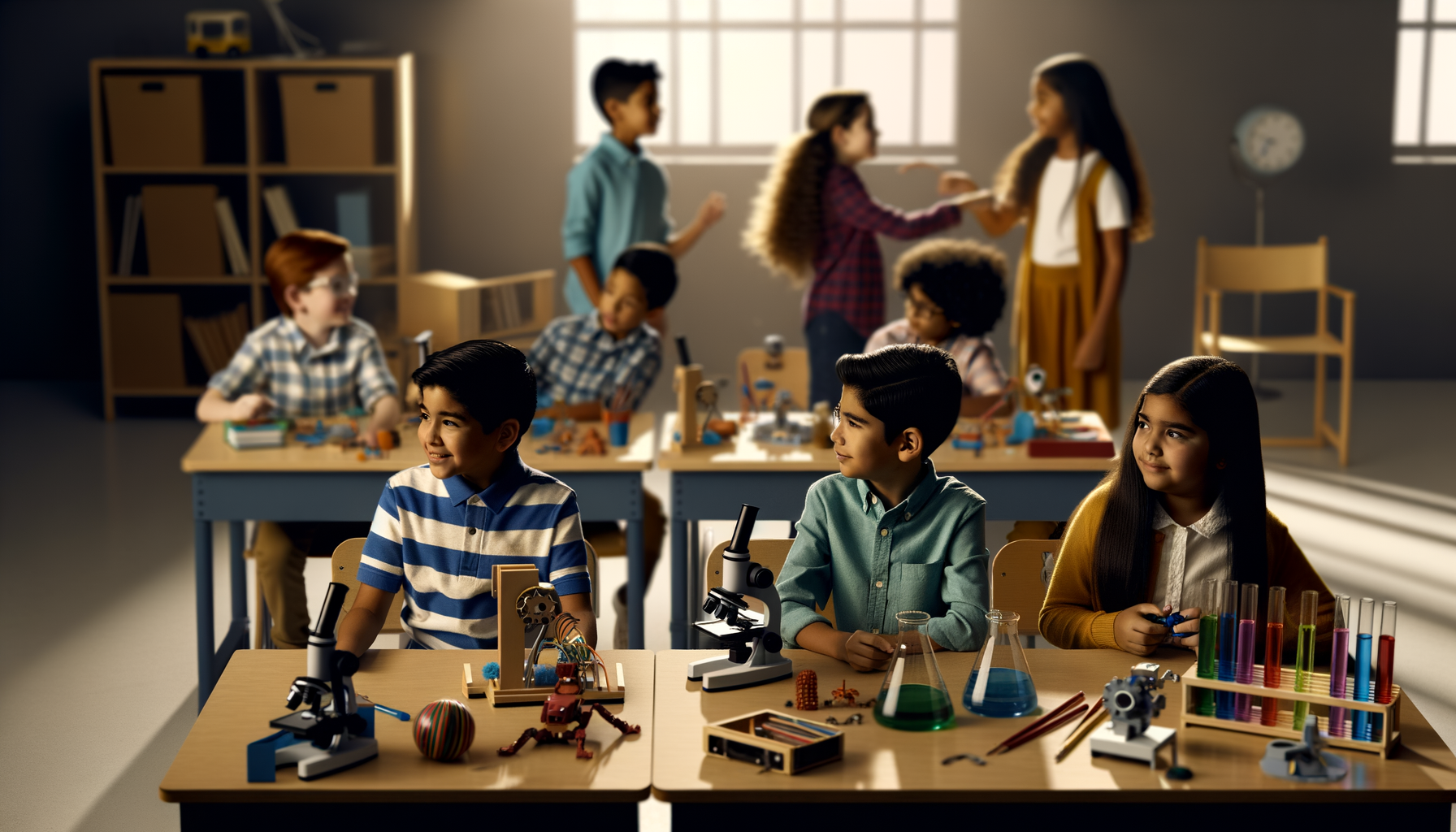
STEM stands for Science, Technology, Engineering, and Math. These programs arent your usual boring lectures. Instead, theyre packed with hands-on projects, experiments, and puzzles that make learning feel like play.
- Science classes for kids: Think volcanoes that actually erupt, or mixing up slime in the kitchen.
- Technology classes for kids: Coding games, building robots, designing simple apps.
- Engineering activities for kids: Rube Goldberg machines, crafty bridges, and design challenges.
- Math experiments: Real-world math like planning a pizza party on a budget!
Kids work together, solve everyday problems, and sometimes make funny mistakes. Thats the point. They learn by doing not by looking at a worksheet.
Why Bother With STEM Education for Children?
Youve probably heard STEM is important. Heres why people cant stop talking about it:
- STEM teaches kids how to think, not what to think.
- It gives them tools to solve real problems from a leaky faucet to building a rocket.
- These programs help shy kids find a voice and natural leaders learn to listen.
- Kids see mistakes as experiments, not failures.
- And yes, it looks awesome on future school or program applications.
The main benefit? Kids get curious. They start asking questions, messing with ideas, and looking for answers by themselves.
What Types of STEM Programs for Kids Are Out There?
Theres no one-size-fits-all. Lets look at common options, so you can find the right fit:
- After-school STEM programs: These might run once or twice a week at school or a nearby center. A good pick if your child needs a regular routine.
- Weekend workshops: Short bursts of focused activities perfect for busy families or kids who want to try something new without a long-term commitment.
- Online STEM classes: Best for tech-loving kids or families who live far from city centers. Look for programs that send kits or use common household stuff, not endless worksheets.
- Summer STEM camps: Think outdoor experiments, team builds, and sometimes even field trips. A full-immersion experience with new friends.
- Parent-led activities: Tons of free or cheap DIY science and tech projects found online, if you like to get involved.
Each choice works for different families. If your child loves animals, look for science programs at the zoo. If they like puzzles, coding classes might be a hit. Theres no perfect path.
How Do You Choose the Right STEM Program?
Picking a good program isnt about chasing the fanciest brand. Its about fit and fun. Heres how to narrow it down:
- Look at your childs interests. Are they into building, asking questions, video games, or nature?
- Check whos teaching. Do instructors sound excited? Do they have patience for chaos? You want teachers who love questions, not just right answers.
- See how hands-on it is. Kids should be building, mixing, or designing, not just watching videos.
- Ask about group work. Social skills matter as much as science facts.
- Find out what happens when things flop. Are mistakes welcomed, or do they move on and ignore them?
Most programs offer a trial session or free sample. Try it! Youll see in minutes if your child comes home buzzing or dragging their feet.
Can STEM Programs Help Every Kid?
Short answer? Yes. You dont have to have a science kid to benefit. STEM is about problem-solving and creativity. Some children love taking things apart. Others are nervous at first. Thats okay. Good after-school STEM programs meet kids where they are and grow confidence, one experiment at a time.
No matter the age or ability, theres something for everyone:
- Kindergarteners can learn basic patterns and balance.
- Middle schoolers might build robots or run science fairs.
- Teens could learn real coding or design actual websites.
Theres also room for kids who may not do well in traditional classrooms. STEM learning feels more like play, lowering the pressure and making space for trial and error.
Common Mistakes Parents Make (& How to Avoid Them)
Even the best intentions can flop. Heres what to look out for:
- Chasing awards, not excitement: Kids dont need trophies for every project. Go for programs that spark smiles, not just medals.
- Forcing a fit: Some kids hate slime, and thats fine. Let them try different things until something clicks.
- Assuming more is better: One awesome class a month beats five boring ones a week. Burnout is real, even with fun stuff.
- Ignoring your gut: If a program seems too rigid or too expensive, trust your instincts.
How to Bring STEM Home (Without Losing Your Mind)
You dont need a lab or expensive kits to get your child thinking like a scientist. Here are simple ways to sneak STEM into daily life:
- Cook together. Measure, predict, and taste test.
- Ask everyday questions: Why does toast turn brown? How does a toilet work?
- Build stuff. Towers from blocks, rockets from bottles, or bridges from old magazines.
- Fix things together, even if you mess it up first.
- Watch a storm and talk about how rain forms.
Its okay if you dont know the answers. Look it up together. The real win is showing that learning can happen anywhereand that its fun to keep asking questions.
Ready to Get Started?
Think about what gets your child excited. Pick one new thing to try this montha science club, a coding app, or a kitchen experiment. You dont have to do everything at once. Each project is another brick in building a curious, confident thinker. Your kid doesnt have to win science fairs. They just need a space to explore, ask, and mess up with a smile. Thats how real learning sticks.
FAQs
- What age should my child start STEM programs? Kids can start as young as preschool! STEM activities come in all levels. Little ones sort colors, stack blocks, or play with water. Older kids move to science kits, coding, and group challenges. Theres no perfect agetry different things and see what your child enjoys.
- Do you need special supplies for at-home STEM education for children? Most projects use stuff youve already gotspoons, cups, toothpaste, old boxes. Some kits are cool, but a lot of fun comes from using whats around the house. Creativity matters more than having fancy equipment.
- My child doesnt like science classes for kids. Should I force it? Nope. Not every program will click with every kid. Try something relatedlike building, art that uses science, or games with patterns and codes. Find what makes them curious, even if its not traditional science.
- Are online technology classes for kids as good as in-person ones? Both have perks. Online tech classes work great if you dont live near a city or have a busy schedule. Make sure the classes have lots of hands-on time, not just videos. In-person is better for teamwok. Try both if you can.
- What are examples of easy engineering activities for kids? Build a bridge out of spaghetti, test paper airplanes, make a marble run from cardboard, or see how many coins you can stack on a paper boat before it sinks. Anything that lets kids experiment, fix mistakes, and laugh counts.
- How much do after-school STEM programs cost? Prices vary. Some local community centers and libraries offer free or low-cost options. Camps or brand-name clubs may cost more. Always ask if scholarships or free trials are available. Sometimes, you can find a group of parents to take turns leading activities for free.