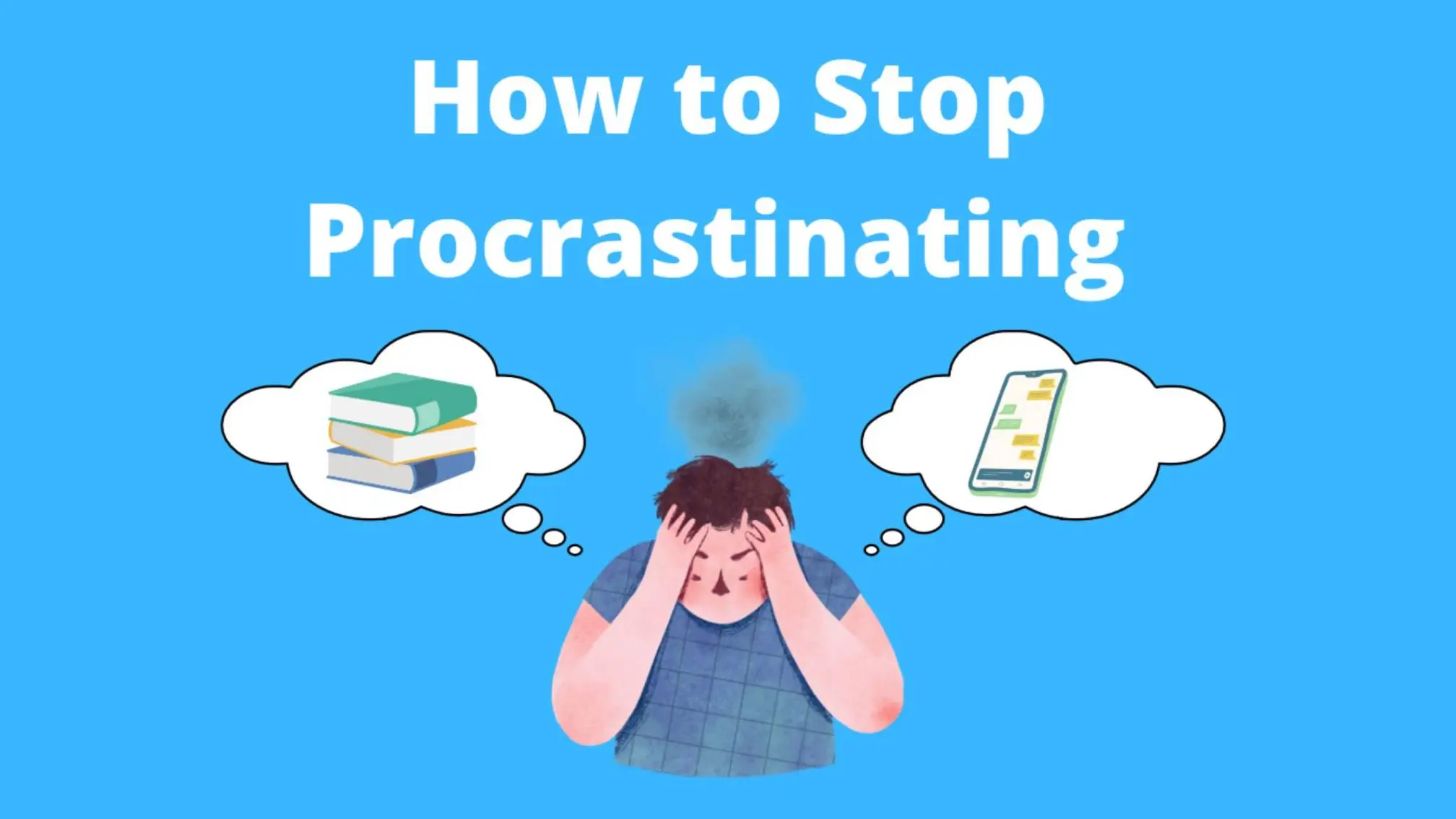
Daniel clocked out at 5 PM and felt stuck. He wanted more from his job but hated school growing up. Sound familiar? A lot of adults wrestle with wanting to learn new things but not knowing where to start, or fearing it's too late. The good news: adult education programs are not just for people chasing a diploma. They're real tools for real peoplewhether you're curious, bored at work, or just want to help your kids with homework.
What Are Adult Education ProgramsAnd Who Are They Really For?
Adult education programs help people 18 and older build skills, switch careers, or learn for fun. They're not all classes in stuffy classrooms or boring lectures. Some are online, some hands-on, some even short weekend workshops. Anyone can joinretired folks, single parents, people with three jobs, you name it.
- High school diploma or GED classes
- Language learning (like English or Spanish)
- Job skill training (welding, coding, cooking, etc.)
- Creative courses (writing, painting, music)
Bottom line: if you want to learn, there's probably a spot for you. And its not about getting a fancy degreeit's about feeling confident and opening new doors.
Why Bother With Adult Learning Opportunities?
Here are some pretty good reasons adults sign up (and stick with it):
- You want a better jobextra skills can mean promotions or better pay.
- Your everyday life gets easierthink basic budgeting, computer skills, or even fixing a leaky pipe.
- It can be funmeeting new people, discovering hobbies, boosting your confidence.
Stuck on the idea that 'school' means bad grades and sitting still? Most continuing education for adults is nothing like high school.
But Isn't It Embarrassing To Start Over?
Not at all. In fact, most people in these classes feel the same way at first. The first time I showed up at a night class, I didnt know anyone, and my last school memory was failing a test in math. Everyone there was nervousbut by week three, nobody cared. We were all too busy laughing about mistakes and cheering on first wins.
How to Find the Right Adult Education Courses for You
Picking the right path feels tricky at first. Heres how to make it easier:
- Figure out your goal. Do you want a diploma, a job skill, or to learn just for fun?
- Check out your budget and your schedule. Free courses exist, and many work around your hours (nights, weekends, online).
- Ask real people whove done it before. Teachers, family, even neighbors might have tips.
- Try sample classes. Lots of places let you test a class before you commit.
If you get stuck, check local community centers for infothey often have classes or can point you to adult education resources you didnt know about.
What Makes Continuing Education for Adults So Different?
Forget everything you hated about school as a kid. Adult classes are different because:
- Theres no pressure to impressthe focus is on learning at your pace.
- People bring real-life experiences, which make class way more interesting.
- Teachers understand that everyone learns differently and will work with you.
- Classes are smaller, so you get more attention.
And if you mess up? No big deal. Mistakes are normaland finding out what doesnt work is the whole point.
Common Problemsand How To Handle Them
Lets be reallearning as an adult can be rough. Heres what could go wrong (and how to deal):
- Time crunch: Balancing work, family, and class is hard. Use short online lessons that fit your routine, or start with one night a week.
- Feeling old or out of place: Most everyone in these classes is nervous about something. Focus on learning, not fitting in.
- Stuck on tech: If technology scares you, search for beginner computer courses. Instructors expect questions.
- Burnout: Slow down if you need tono rule says you must finish fast.
Getting through hurdles is part of learning. Ask for help when you need it. Thats what your classmates and teachers are there for.
What Skills Can You Actually Learn?
The short answer: Almost anything. Want to get better at your job? Pick up specific skills like:
- Computer basicsemails, spreadsheets, typing
- Writing and communication
- Math for daily life
- Hands-on trades (plumbing, electricians, carpentry)
- Healthcare basics (for jobs in that field)
Or maybe you want learning to be your break from the everyday. Cooking, art, photographyif you dream about doing it, theres a course somewhere.
Making the Most of Adult Education Resources
Heres how to get the most bang for your buck (and your time):
- Sign up for newsletters from schools and community centersthey share deals and new course info.
- Look for scholarships or discounts. Some programs are free or charge less for adults with low income.
- Join study groups. Youll learn faster (and have more fun with a crew).
- Ask for supportchild care, technology help, or tutoring might be available.
If you hit a wall, remember why you started. Even small wins add up over time. Your path is yoursyou decide how far to go.
What Happens After You Finish?
Finishing a course is a big dealeven if its a single class or a full two-year program. Heres what to expect:
- Confidence in new skills
- Possible certificates or proof you can share at work or on a resume
- More job options or a leg up in your current job
- A network of new friends or mentors
If you tried something and didnt love it, thats not a fail. Knowing what doesn't fit you is as important as finding what does.
Quick Tips for Getting Started Right Now
- Make a short list of things youve always wanted to learn
- Set a realistic goal for the next month (like try one new class)
- Share your plan with someone wholl keep you honest (a friend or family member)
- Dont wait for a 'perfect time'start with a tiny step today
Future you will look back and wonder why you didnt do this sooner. Youre never stuck. And its never too late to learn something new.
FAQs About Adult Education Programs
- How do I find the best adult education programs near me?
Start with local community colleges, libraries, and community centers. Call or check their websites for updated class lists. Many areas also have online platforms or state programs for adults. Talk to people you knowthey might recommend great teachers or classes you've never heard of. - Are adult learning opportunities expensive?
Some classes cost money, but many are free. Community centers, nonprofits, and public libraries often offer free courses. Even paid programs may have discounts or scholarships. Always askcost shouldnt be your main roadblock. - Do I need my high school diploma to take adult education courses?
No, not always. Some classes will help you earn your high school diploma or GED, but you can often join other courses without it. Each program has its own rules, but dont let this hold you back from checking out whats available. - Can I fit continuing education for adults around my job or family?
Yes, you can. Lots of programs offer night, weekend, or online classes. Start with one class if youre busy, and see how it goes. People with all kinds of schedules find ways to make it workso you can, too. - What if I havent studied in years? Will I be too far behind?
Youre in good companymost adults havent cracked a textbook in a long time. Classes are made for beginners, and teachers expect questions. If you struggle, stick with it and ask for help. Progress is what matters, not how fast you go. - Are there adult education resources for people who speak languages other than English?
Yes. Many programs offer classes in different languages or English as a second language (ESL). There are bilingual teachers and resources to help you succeed. Ask when you sign up, so you can get the support you need.