Why Do People Care About Lifelong Learning?
Think about what happens when you stop learning. You get stuck. You keep doing things the same way, even if they're not working. A lifelong learning programme is about making sure that doesn't happen. It's for anyone who wants to keep growing, find new doors, or just get better at stuff that matters.
Everyone from students to retirees can benefit. You learn a new language, figure out coding, finally nail down public speaking, or just start a hobby you've put off. It's not just about career moves or pay raisesthough those happen, too. It's about keeping your mind active and feeling good about the progress you're making.
What Is a Lifelong Learning Programme, Really?
It's not another long, boring class. It's any setup that helps you keep learningonline courses, workshops, free talks, on-the-job training, or group meetups. The goal? You stay curious, pick up new skills, and keep challenging yourself. Lifelong learning benefits go way beyond what you see on a resume.
- Continuous learning helps your brain stay sharp as you age.
- New skills open up real career options, even in your 40s or 50s.
- Personal growth feels goodit's a sense of progress you control.
The best part? You don't need a fancy degree or tons of spare time. Fifteen minutes a day can be enough.
How Does Adult Education Fit In?
If you hear "lifelong learning," most people think of adult education. That's part of itbut not the whole picture. Adult education usually means going back to school or getting new formal qualifications. Those are great if you want to change careers or get promoted. But lifelong learning can also be about passion projects, new hobbies, or keeping up with tech changes.
Here's what you can get from adult education:
- Recognized certificates
- Structured lessons (helpful if you like routine)
- Teachers or mentors to guide you
But if you learn best by following a video on your lunch break or joining a reading group, you're still doing it right.
Does Continuous Learning Really Pay Off?
Yes. The biggest lifelong learning benefits show up over time. You get a boost in confidence, more job options, and you even meet new people. Employers love hiring people who keep learningthey know those folks adapt fast and aren't afraid of change.
- Skills development makes you stand out, especially when jobs shift or disappear.
- Continuous learning means you're never out of optionsyou can always try something new.
- Your brain stays active, which is good for your mental health.
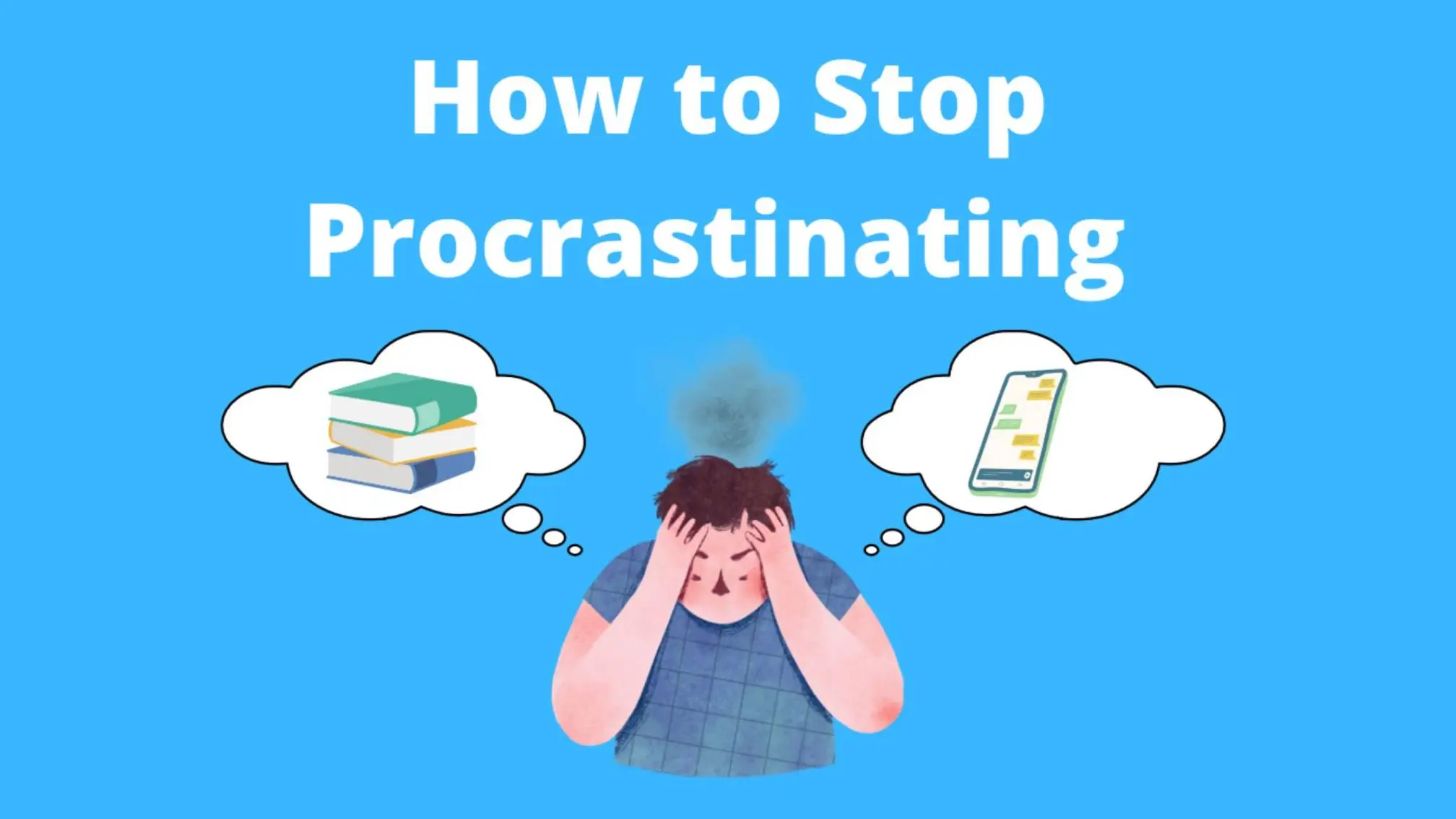
The catch? You need to stick with it. Lots of people start, lose motivation, and quit after a week. It's normal. The trick is to pick something that excites you, break it into tiny pieces, and track your progress. Remember your "why"whether that's a promotion, changing fields, or just enjoying life more.
What's the Best Way to Make Learning a Habit?
No secret formulayou have to do what fits your life. Start small so you won't give up. Maybe it's 10 minutes of a language app at dinner or a Saturday morning podcast while you clean. If you like structure, sign up for a multi-week course. If routines aren't your thing, online tutorials and short workshops work, too.
- Block out a real time slot. Treat it like a dentist appointmentyou wouldn't skip those.
- Mix it up: reading, watching, doing, teaching others.
- Find a buddy. You're way more likely to show up if someone else is waiting.
- Celebrate wins, no matter how tiny.
I've tried massive online courses and dropped out by week two. What works for me? Small winslike one new phrase in Spanish per day, or following a cooking video every Sunday.
What Are Common Roadblocks (And How Do You Beat Them)?
Life gets in the way. You're busy, tired, or just not motivated. Some skills feel impossible at first. Here are the most common issues and easy ways to push through:
- No time? Cut your goal in half. Five minutes counts.
- Too hard? Switch to something easier or start with the basics.
- Scared you'll fail? Everyone messes up when they learn. It means you're trying.
- No support? Join a class or groupother people help you stick to it.
Learning new stuff is supposed to feel weird sometimes. If it feels too easy, you're not really learning.
What Skills Should You Learn (And Why)?
This is the fun partpick what lights you up. Some people go for hard skills like coding or data analysis because those pay the bills. Others learn painting, gardening, or creative writing which recharge you after a long day.
- Communication skills (help everywherework, home, friends)
- Tech basics (even if it's just organizing your files)
- Languages (for travel or to connect with family)
- Creative skillswriting, music, art
There's no right answer. Personal growth means you improve your life, whether or not it comes with a certificate.
Conclusion: Your Future Self Will Thank You
Think about where you want to be in five years. That version of you isn't stuckthey're curious, confident, and ready for new stuff. The way you get there? Small steps, starting today. Try a lifelong learning programme that fits your life, track little wins, and don't let a bad week stop you. Your future self will be glad you did.
Frequently Asked Questions
- What is a lifelong learning programme?
A lifelong learning programme is any way you keep learning new thingslike online courses, classes, workshops, or even self-study at home. The point is to keep challenging yourself and growing, no matter your age. - Why is lifelong learning important for adults?
Lifelong learning helps adults keep their minds sharp and stay up-to-date with job skills. It's also great for personal growth and feeling more confident. You can switch careers more easily or just keep up with technology changes. - How do I find the right skills development course for me?
Start by figuring out what you enjoy or need for work. Look for beginner-friendly online courses or community classes. Ask people you trust for suggestions and read reviews to see what's a good fit. - How much time should I spend on continuous learning?
Start smallmaybe 10-15 minutes a day or a few hours each week. What's important is showing up regularly, not how long you spend each time. Over time, those small blocks add up. - What if I can't afford formal adult education?
You don't need to spend lots of money to learn. There are plenty of free or low-cost resources online, like videos, podcasts, and reading material. Local libraries and community centers often offer free classes, too. - Can lifelong learning help with personal growth outside of work?
Absolutely. Learning something new can boost your mood and confidence. Hobbies, creative skills, or learning for fun all countit's about growing as a person, not just getting a better job.