Think about a classroom where experiments sometimes go sideways, kids get a little messy, and questions pop up faster than the teacher can answer them. That's a real STEM learning environment. It's more than test scores and gradesit's about preparing for a world of unknowns with skills you can't find in a textbook. If all you ever did in school was fill out worksheets, this might sound wild. But here, you'll see why that kind of chaos is exactly how real learning sticks.
What Makes a STEM Learning Environment Different?
A STEM learning environment is a classroom that puts science, technology, engineering, and math in the spotlight. But it isn't just about hanging a periodic table on the wall. It's a place built for taking risks, trying ideas, and fixing what doesn't work.
- Students work in teams, sharing materials and ideas
- There's a mix of tech, like apps and gadgets, plus good old pencils and tape
- The teacher is more of a coach than a boss
- Mistakes are part of the plannot something to dodge
- The room changes based on whats being built, tested, or taken apart
Why does this matter? Because the working world wants people who can invent, solve problems, and work together. This kind of classroom is where those skills start.
How Are Modern STEM Classrooms Set Up?
Forget old-school rows of desks. Modern STEM classrooms are made for movement. Youll find tables that can turn into workbenches, bins full of weird supplies, and sometimes even 3D printers or robots. Theres usually space for drawing, building, and codingall in one day.
- Flexible seating so teams can form and break up easily
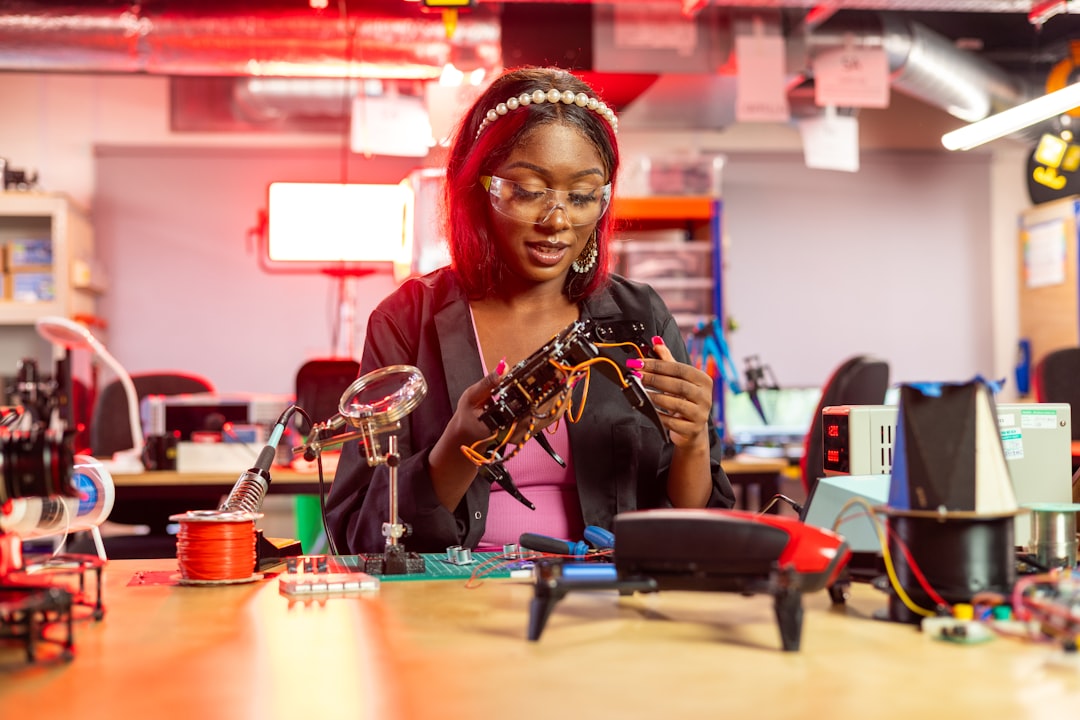
- Tools (like glue guns, wires, or tablets) out where students can grab them
- Boards for brainstorming or mapping out big ideas
- Storage for projects because sometimes learning takes more than one class
It sounds a little chaotic, but thats the point. Kids learn to handle mess, think on their feet, and see that building something together is pretty awesome.
What Are the Best STEM Teaching Methods?
The best STEM teaching methods are hands-on and keep students at the center. Youll see less lecturing and more trial and error. The teacher sets up challengeslike building a bridge from spaghettiand lets kids figure it out. Heres what stands out:
- Project-based learning (building and testing real things)
- Asking open-ended questions (How else could this work?)
- Letting students drive the process instead of giving step-by-step rules
- Mixing tech and traditional tools depending on the project
- Reflecting on what worked, what flopped, and what to try next
It's not always easy. Some students get frustrated when things dont go as planned. But those moments build real skills: patience, teamwork, and grit.
How Does Hands-On STEM Education Change the Game?
Sometimes, reading about science or math is enough. But for most of us, doing is what makes it stick. Hands-on STEM education means you're not just seeing numbers or diagramsyoure feeling what happens when you mess up a circuit or your bridge collapses.
- Makes lessons memorable (because you built it or broke it)
- Helps students see how STEM is used in real life
- Encourages messing up safely, which is where real learning happens
- Shows that youre not born good at mathskills can be built
If youve ever taken apart a toy to see how it works, youve already done hands-on STEMeven if the toy never worked again.
What Goes Into a Strong STEM Curriculum?
A strong STEM curriculum covers the basics, but it also gives room for student choice and creativity. Instead of just memorizing, students use what they know to solve new problems. Teachers might launch a garden project to teach biology, or build a model city to cover math and engineering. The key?
- Mix core skills with open-ended challenges
- Use real-world problems whenever possible
- Update lessons to include new tech and discoveries
- Let students present their ideas in different wayslike videos, models, or reports
- Keep space for mistakes and second tries
The best lessons flow from what kids are curious about or stumble onto when working on a group project. Thats where aha moments are born.
What Are the Must-Have STEM Resources?
You dont need a fancy lab for a real STEM experience. Yes, tools like computers, robotics kits, and science lab gear help. But cardboard, tape, rubber bands, and even broken appliances can build the same skills. Top STEM resources often include:
- Simple building materials (cardboard, popsicle sticks, string)
- Basic electronics or coding apps (some are free for schools)
- Science experiment kits or reusable lab supplies
- Sites or books with challenge ideas
- Time to try, tweak, and retry
Dont let anyone tell you that you need everything at once. Start with what youve got. Add over time as you figure out what helps students get creative and solve problems.
What Can Go Wrong in a STEM Learning Environment?
No classroom is perfect. Sometimes, a project flops or kids lock up because failure feels scary. Teachers might feel stretched to learn new tech or keep control with loose rules. Here are the common speed bumps:
- Focusing so much on fun that core skills get missed
- Not giving students enough say in how projects run
- Not enough time for real trial and error
- Equipment or supplies that break or go missing
- Grouping students in ways that don't work
Everyone hits these spots. What matters is being honest, adjusting as you go, and letting students see that mistakes are part of growth.
Ready to Build Your Own STEM Environment?
Start small. Try one hands-on project this month. Swap those desk rows for team tables. Replace some lectures with a challenge. Invite mistakes and treat flops like puzzles to solve. Over time, youll see students tune in, get braver, and come up with ideas you never expected. Thats the real win.
FAQs
- What is a STEM learning environment?
A STEM learning environment is a classroom set up to help students learn science, technology, engineering, and math through doing real projects, teamwork, and problem solving. It's hands-on, flexible, and focused on building real-life skills. - How do modern STEM classrooms look different from regular ones?
Modern STEM classrooms have flexible tables instead of rows, tools and supplies out in the open, and lots of space to move around. Theres a mix of tech and simple materials, and students work together on projects rather than just listening to lessons. - Do you need a lot of money or fancy equipment for hands-on STEM education?
Nope! While things like robots and 3D printers help, you can start with cardboard, tape, and household items. The goal is for students to solve problems and use what they havecreativity matters way more than stuff. - How do STEM teaching methods help with real life?
STEM teaching asks students to try, fail, fix, and work as a teamthe same things adults do at work. It builds confidence, shows that mistakes are normal, and teaches thinking skills youll use outside of school. - What is a common mistake in creating a STEM learning environment?
Some schools focus on fun projects but forget skills, or they're scared to let students fail. The best environment is balancedlots of trying, honest feedback, and making sure everyoe learns core science and math along the way. - What are some easy first steps to start a STEM curriculum?
Pick a simple project that uses what you already havelike building bridges from straws or testing recipes. Let students work in teams, plan, and learn from what goes wrong. Its less about the tools, and more about giving space to explore.