Think school means squeezing into a crowded classroom or catching a bus at sunrise? Not anymore. Online schooling programs flip that script. Now you can learn at your pace, on your couch, in pajamas if you want. No, its not too good to be truebut there are things you should know before signing up. Lets talk about why online schooling programs are working for so many people, how to spot hidden perks, and where folks trip up. Youll walk away knowing if this is right for you.
What are online schooling programs, really?
Online schooling programs arent just websites full of homework. They're organized ways to learnreal teachers, real classes, organized schedulesdelivered through your laptop or tablet. Some go all-in (think full-time virtual schools), while others just help you catch up or get ahead with distance learning. It can be as basic as a single online course or as all-in as finishing your whole high school diploma remotely.
- Full-time virtual schools let you do everything onlineno building required
- Online courses cover a single topic, like algebra or creative writing
- Distance learning often blends online and real-life stuff, like taking tests at a local center
- Remote learning is another word for doing class from anywhere
Bottom line: If you want more freedom or cant do in-person school, theres probably a program out there for you.
Why are people ditching regular school for online education?
Theres usually a reasonsometimes a bunch of them. Maybe regular school makes you anxious or doesnt fit your familys crazy schedule. Maybe youre training for sports or acting, or your family moves a lot for work. Or maybe you just want to go fasteror slowerthan everybody else. Online education lets you build your school life around...your life.
- Fit learning into your schedule (bye, 7am alarms)
- Work at your own pacespeed up or slow down as needed
- Escape bullying or drama that happens in person
- Pursue hobbies, sports, or jobs without falling behind in class
For a lot of people, virtual schools are a lifesaverespecially if regular stuff just isnt working.
How do online schooling programs actually work?
Its not all YouTube videos and free time. Good online schooling includes real teachers, attendance, assignments, and tests. Heres how it usually breaks down:
- Classes meet on a schedule, either live (on video) or at your own pace
- Teachers assign homework, grade work, and answer questions
- You might join group projects, message boards, or virtual clubs
- Tests are online, unless they say you have to show up somewhere
- Some schools send you supplies for science labs or art classes
Online courses are the menuyou pick what you need. Some schools let you mix in what you want, making things personal. The best ones give you clear support and feedback, so you know youre not stuck on your own.
Can you trust that online diplomas and credits are real?
This is the big question. Some online schooling programs are legit, certified, and recognized by colleges or employers. Others...not so much. The key: check accreditation. Accredited means a trusted group reviewed and approved the school. If theyre missing that, walk away.
- Always ask who accredits the programdont settle for fancy-looking logos
- Colleges and military often ask for real, accredited records
- If in doubt, call a college or job and ask what they recognize
Dont waste your time (or money) on something that looks cool but wont count where you want it to.
Whats tough about remote learning that nobody tells you?
Heres the hard truthonline schooling isnt all Netflix and free afternoons. Some folks love it, but others find it hard to stay focused or miss the real-life parts of school. Common headaches include:
- Feeling lonely or left out (youre not always chatting with friends)
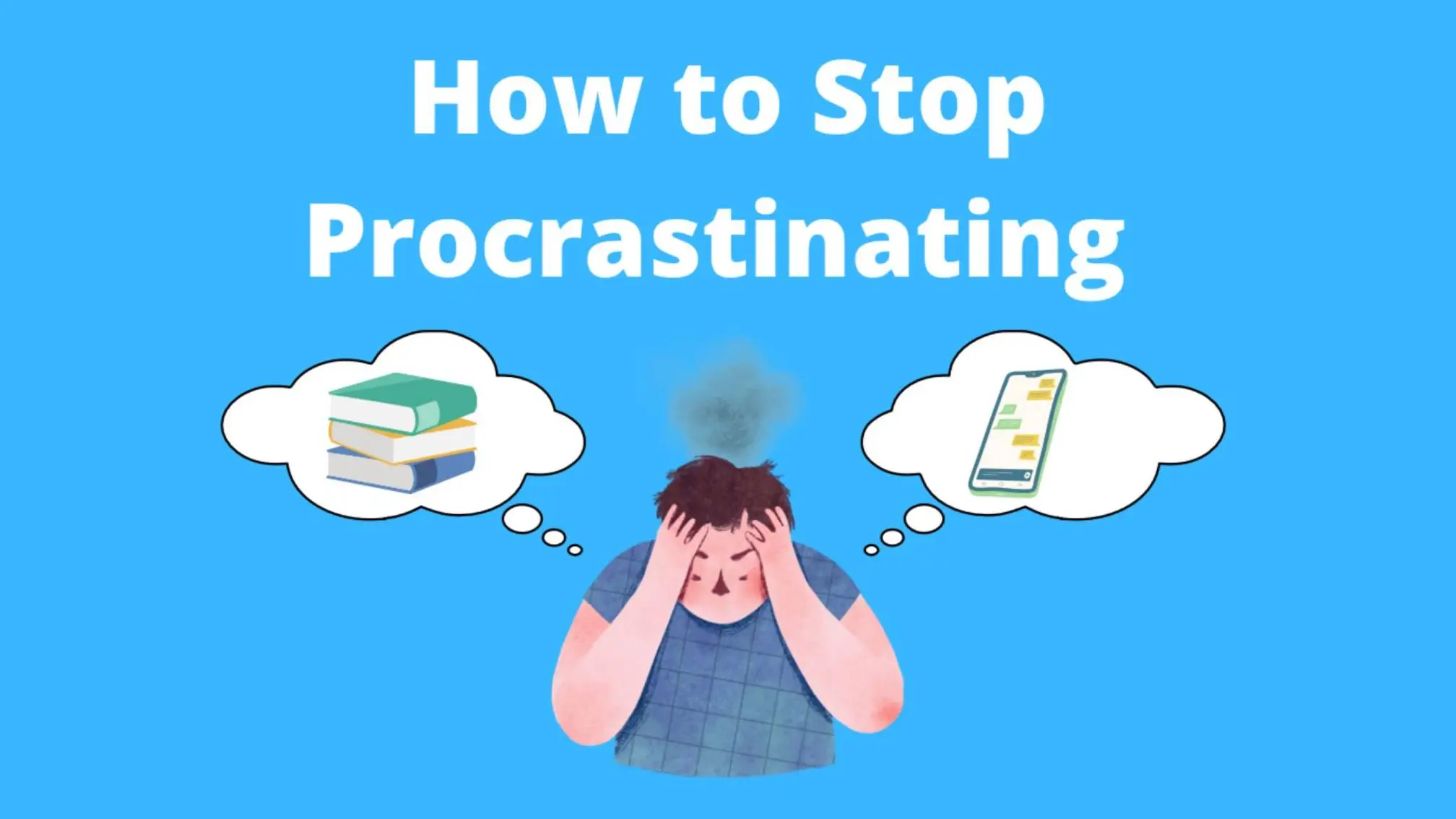
- Procrastinating because nobodys watching over you
- Tech problems (bad internet, weird glitches, lost assignments)
- Staying organized on your own, keeping up with work
- Missing hands-on stuff, like science labs or team projects
Heres a tip: Set a daily routine, use a planner, and actually message your teachers when youre confused. Seriouslyasking for help makes a huge difference.
How do you pick the online schooling program that wont waste your time?
Too many options can make your brain ache. But some ways to narrow it down:
- Start with what you needhigh school diploma, advanced classes, flex schedule?
- Check reviews from students (Reddit, forums, social media)
- If its free or cheap, check that its accredited
- Ask about teacher support and if you get real feedback
- Try a demo class if they offer one
If you get lost in the details, pick your top three must-haveslike flexibility, teacher access, or cost. Compare those first. The rest is bonus.
Will you stay motivated with online courses?
This ones real. A lot of people sign up, then never finish. Why? Its easy to lose steam when you dont have a teacher in your face. A few ways to keep moving:
- Set small daily or weekly goalsnot just "finish course"
- Work with a study buddy, even if its online
- Make it a habit (same time every day)
- Reward yourself for milestones (treats work!)
You dont have to love every minute, but having structure helps you actually complete what you start.
How do online schooling programs compare to regular schools?
Youre probably wondering if youll miss out on stuff regular schools offerlike sports, clubs, or social time. That depends. Some virtual schools have online clubs, e-sports, and even field trips. But you might miss out on Friday night games or hallway hangouts. On the flip side, online schooling programs let you:
- Customize your classes (pick subjects other schools dont offer)
- Tune out distractions (less drama, more focus)
- Get ahead or catch up without feeling judged
If you crave face-to-face hangouts or team sports, think about joining local activities outside of class. You get the best of both worlds.
Whats the first step if you want to try online schooling?
If your gut says this could work, dont jump in blind. Make a shortlist of what matters most, check if local rules let you switch, and talk things through with someone whos done it before. Most programs let you sample a course or talk to an advisor. That way, you get a taste before you commit.
FAQ
- Is an online high school diploma the same as a regular one?
It can be, if the online school is accredited. Colleges and jobs check for this. If its not accredited, it might not count. Always double-check before enrolling, so youre not surprised later. - How much do online schooling programs cost?
Costs vary a ton. Some public programs are free, while private ones charge fees or tuition. Extra classes or supplies can add up. Always ask for a clear list of all costs before signing up so you can budget. - Can I switch from regular school to an online program mid-year?
Often, yesbut you need to check local laws and the new schools policies. Your current school usually has to send transcripts. If youre under 18, your parent or guardian will need to start the process. - Do online students get help if theyre stuck?
Good online schooling programs offer teachers, tutors, or even group help sessions. You can email, message, or sometimes video chat. Dont be afraid to asksupport is part of the deal. - Are online courses easier than regular classes?
They can feel easierbecause you control your pace and setting. But the work is about the same if the schools legit. Youll still have deadlines, homework, and tests. Success depends on staying motivated. - What equipment do I need for online schooling?
You need a computer or tablet, steady internet, and sometimes a camera or headset. Some programs give you a device. Check tech requirements before you start to avoid stress down the line.
Trying online schooling isnt for everyone, but it just might be your smartest move yet. Figure out what you need, check if its legit, and test-drive before you commit. Youve got more control than ever. Take it.