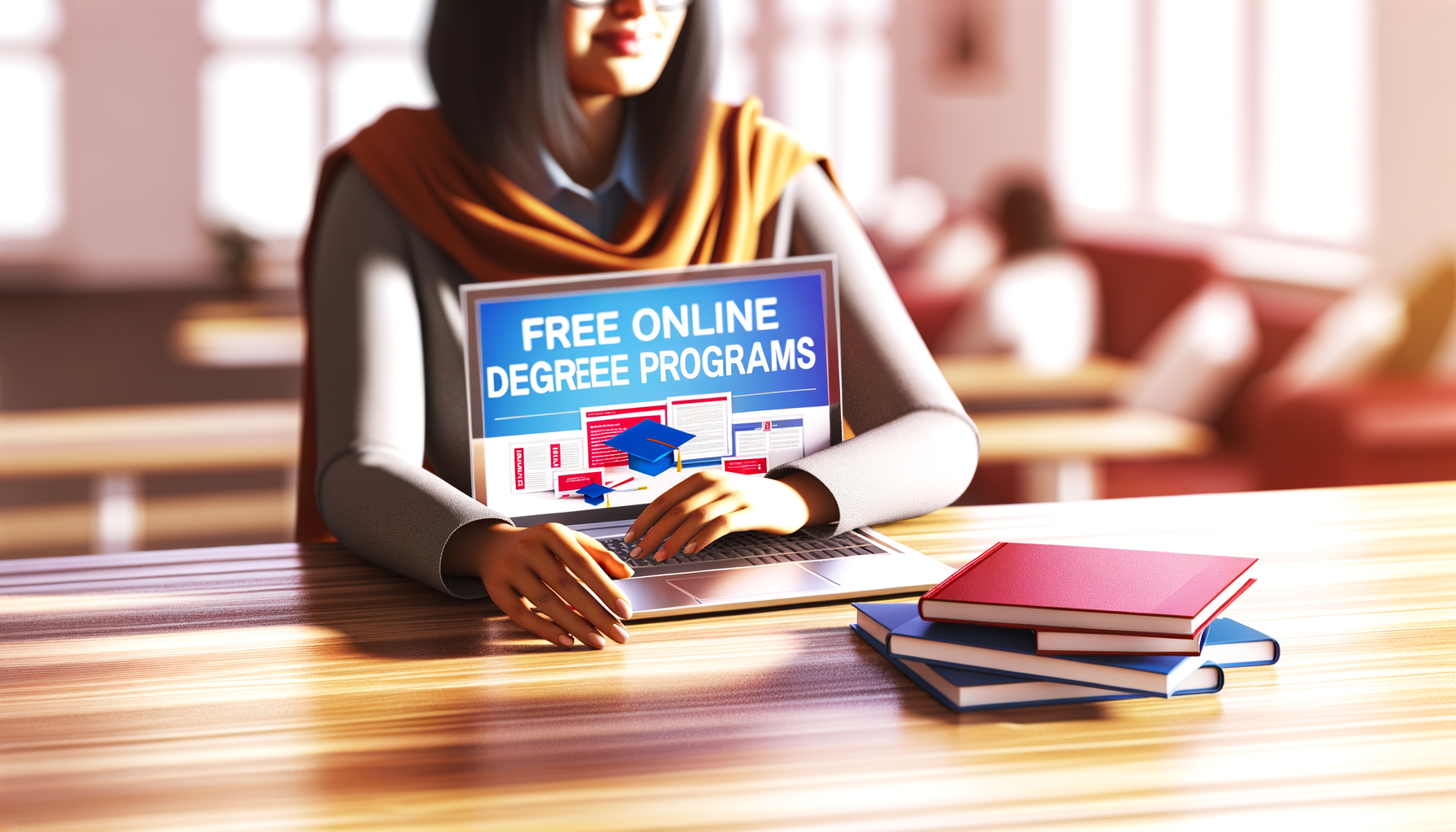
Your dream job shouldn't be out of reach just because college costs a fortune. If you're overwhelmed by student loan stories or feel like a degree is just for other people, you're not alone. There's good news, though. Free online degree programs are real, and yes, some are accredited and respected. This is your way in, no matter your background or bank account.
What are free online degree programs?
Think of these as legit college degrees that don't cost tuition. You learn online, pick your pace, and avoid debt. Universities, nonprofits, and even big-name schools offer these to make education open to all. The catch? Sometimes you might pay a small fee for a diploma or have to cover textbooks, but compared to normal tuition, it's nothing.
How do tuition-free degrees work?
Colleges running tuition-free degrees cover the big costs using donations, government funding, or creative business models. You might get the same classes as on-campus students, sometimes taught by the same professors. Some programs are fully free, others charge for extras like printed materials or final exams. The point is, the degree itself doesn't put you in a financial hole.
- Programs might ask you to prove you can handle online learning (no big deal, usually a test or short form)
- You could need basic equipment (laptop, Wi-Fi)
- Deadlines are sometimes looser than in-person schools
- You generally pick your schedule and study when it works for you
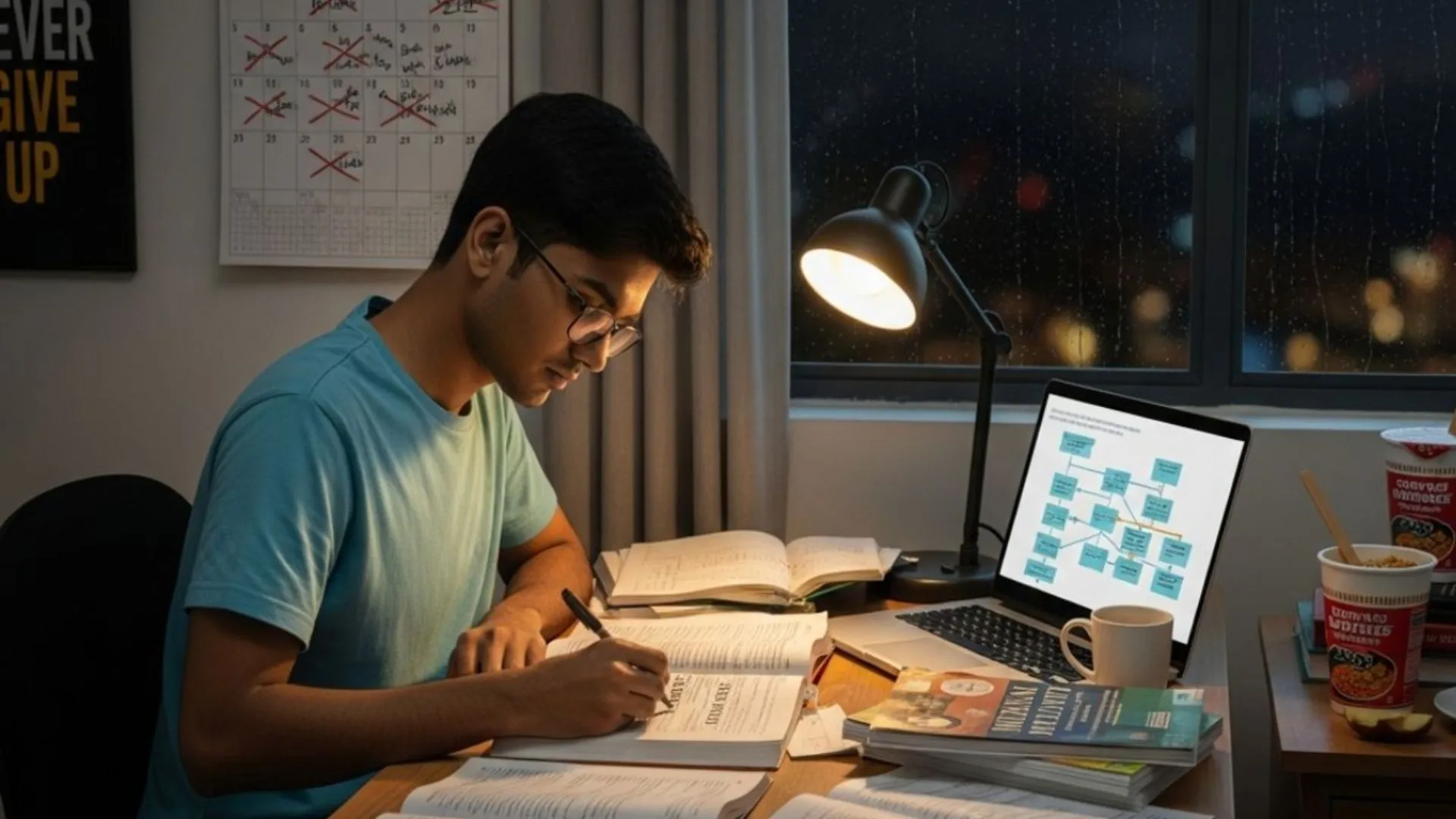
People choose tuition-free degrees for different reasons. Some want to switch careers but can't drop everything. Others are parents going back to school. Many folks, honestly, just can't afford regular college. These programs give them a shot.
Are free online degree programs actually accredited?
Some are, some aren't. Accreditation is like a school's stamp of approval; employers care about it. The best free online degree programs are attached to real schools with regional or national accreditation.
- Check the program's website for detailsdon't just trust social media claims
- If you want jobs or further study, accreditation matters
- If you're learning just for fun or skill-building, it might not
Always look for the phrase "regionally accredited." If you aren't sure, shoot the school an email and ask.
Which subjects can you study in a free online degree?
The list grows every year. You can find tuition-free degrees in:
- Business administration
- Computer science
- Health sciences
- Education
- Liberal arts
- Engineering (at a few schools)
Free college courses also let you sample topics before committing to a full-on degree. Think of it like dipping your toe in before going for a swim.
Benefits you can't ignore
- Zero tuition: Ditch the stress of debt
- Flexibility: Study anywhere, at any time
- Real credentials: Many programs offer respected, accredited online degrees
- Self-paced: Move fast or slow, whatever fits your life
- Build your resume: Get ahead without waiting years
It doesn't just sound goodthousands have graduated debt-free from these programs already. Some used their new degrees to land better jobs, others started businesses or went for advanced degrees.
Common mistakes to avoid
- Picking a non-accredited program when you need a degree for work
- Underestimating the time: free doesn't mean easy
- Ignoring the fine print: some "free" programs sneak in fees at the end
- Doing it solodon't be afraid to ask for help if you get stuck
Online education programs are great, but they're not magic. You still have to put in the work. The first time you dive into an online platform, things might feel confusing. Messy class websites, videos that buffer slowlyyeah, that's normal. Most students settle in after the first week or two.
How to find the right program for you
- Think about your goal: career change, skill upgrade, or curiosity?
- Decide if you need formal accreditation
- Double-check graduation requirements (papers, exams, group projects?)
- Ask about support: do they have tutors or forums if you need help?
Most programs have sample lessons. Try one before you commit. Reach out to current students if you can. Their stories are often the most honest.
Who qualifies for free online degrees?
Many programs are open to everyone, no matter your age, background, or country. Others have rules, like needing a high school diploma. International students can join some programs, too. Requirements are usually easier than you think.
Some programs have waitlists because demand's high. If you're serious, apply early or keep checking back.
Will a free online degree help your career?
Short answer: If it's accredited and matches what employers want, yes. People have landed tech jobs, business roles, and teaching positions with tuition-free degrees. But your work matters tooshowing off personal projects, internships, or certificates can boost your resume just as much.
- Know what employers care about in your industry
- Connect with mentors or alumni if you can
- Use your projects from class as proof you know your stuff
Taking the next step
No one said going back to school was easy. Plenty of people wished they'd started sooner. If you want to try a free online degree program, pick one, fill out the application, and do that first lesson this week. Worried you'll mess up? Everyone does. The important part is you start. Every expert was a total newbie once.
FAQs about free online degree programs
- Are tuition-free degrees really free or are there hidden costs?
They're mostly freemeaning no tuition, which is usually the biggest cost. Sometimes you'll pay for things like textbooks, exam fees, or a graduation certificate. These are usually much smaller than what normal colleges charge, but you should check before you sign up. - Can I transfer credits from tuition-free degrees to other colleges?
If your program is accredited, many schools will accept transfers. But always ask the new college first; transfer rules can be strict. Non-accredited program credits usually won't transfer. - Do employers take accredited online degrees seriously?
Yes. As long as it's an accredited program, most employers accept them just like traditional degrees. Some even like that you did it online because it shows self-motivation and organization. - What's the difference between free college courses and a full degree?
Free college courses let you learn one subject or skill, usually without credit or a diploma. Free online degree programs mean you take lots of courses in a subject and end up with an actual degree at the end. - How fast can I finish a free online degree?
It depends on the program and how fast you move. Some people finish in two to four years, like a regular college schedule. Others go part-time and take longer. Some super self-paced programs let you finish much faster if you have the time. - Do I need super-advanced tech skills to study online?
Nope. If you can email, browse the web, and use simple apps, you can handle most online courses. Programs usually have guides, and you can always find help if you get stuck.
Start small, aim high. Free online degrees have changed lives. They can change yours, too.