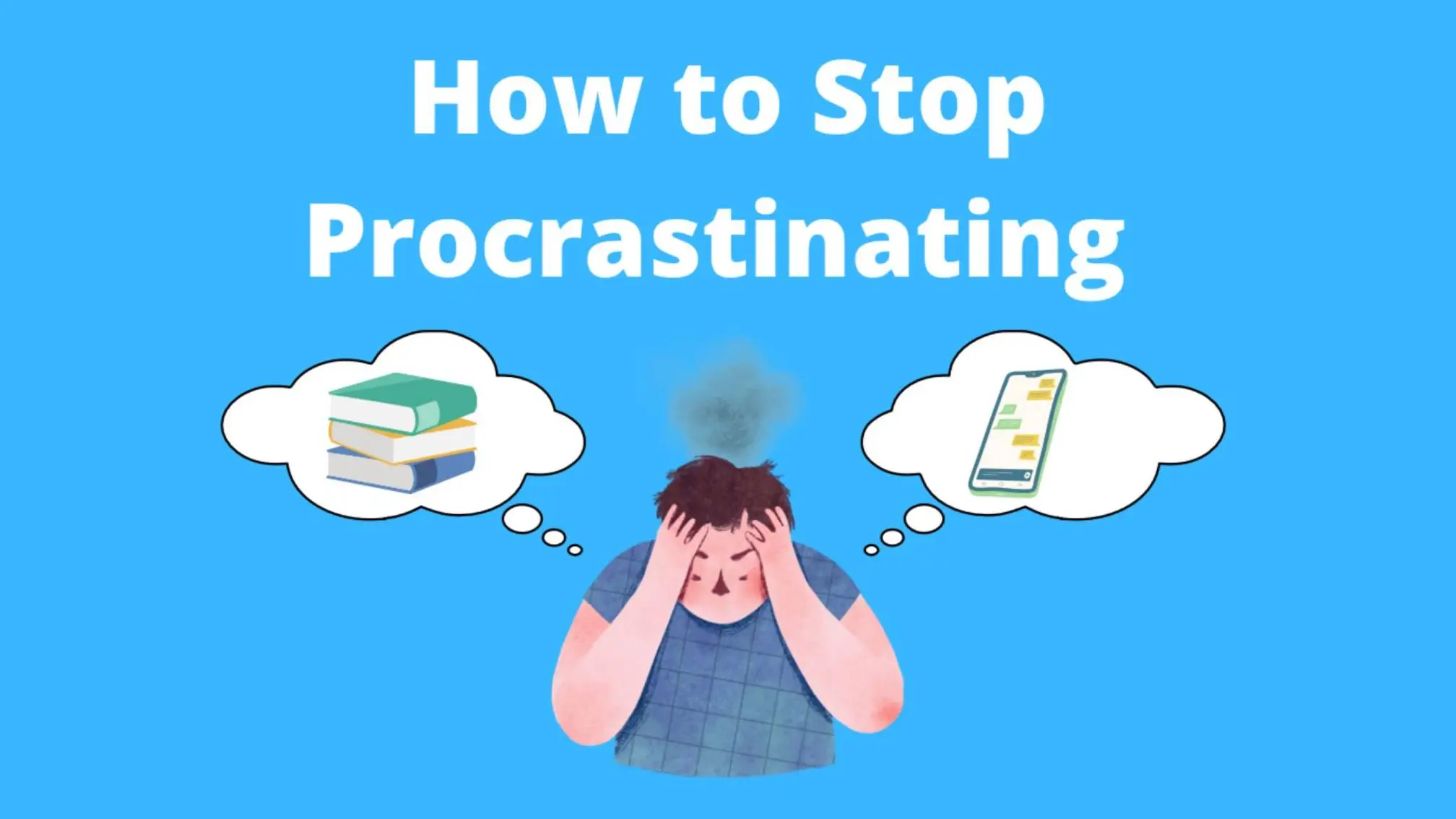
You know those days when you finish work and feel like you barely got anything done? You're busy, but your to-do list keeps growing and every 'break' turns into endless scrolling. Most people aren't lazy, they're just drowning in distractions, meetings, and stuff they can't even remember saying yes to. Here's the good news: you can turn your workday around with a few small changes. Let's talk about three workday productivity tips that actually work no apps, no fancy planners, just real strategies that help you get more done (and stress less) every day.
What's Eating Up Your Workday?
If you're stuck in a cycle of busyness, you're not alone. Most folks think they know where their time goes then they're shocked when they track it for real. Here's why time slips through your fingers:
- Jumping between tasks without finishing any
- Endless emails and messages
- Meetings that could've been an email or ended 20 minutes ago
- Trying to multitask (spoiler: it's slower for your brain)
If any of that sounds familiar, good. It means these next three time boosts will actually help.
Time Boost #1: The 1-3-5 List Skip the Overwhelm
What is the 1-3-5 List?
The 1-3-5 List is a simple way to plan your day: you write down 1 big task, 3 medium ones, and 5 small ones. That's it. The magic is in the limit you force yourself to pick what actually matters. Forget about trying to do everything at once.
Why does it work?
Too much on your plate confuses your brain. With the 1-3-5 method, you're looking at a list you can actually finish. Checking off tasks feels good and keeps you going. Plus, it pushes you to ask, "What needs my attention today?" not "What could I possibly do?"
How do I start?
- Grab a sticky note or a scrap of paper
- Write down one major task (the thing you'll be proud to finish)
- Add three medium things (stuff that really moves things forward)
- List five quick wins (think: sending an email, quick fix, or small step)
- Finish the list, then call the day a win
Common mistakes to watch out for
- Making your 'big' task too big to finish in one day
- Turning your 5 'small' tasks into another whole list
- Skipping the list-making because it feels silly (trust me, it's not)
Mini takeaway: Less is sometimes more. A shorter, focused list beats a giant one you never finish.
Time Boost #2: Batching Do Similar Stuff Together
What is batching?
Batching is when you group similar tasks and do them all in a block. Instead of answering emails all day long, you set two times (say, 10 a.m. and 3 p.m.) and answer emails only then. It's like running one big errand trip instead of ten tiny ones.
Why does it matter?
Every time you switch gears, your brain takes a hit. That's why it's hard to go from writing to answering calls and back again. Batching saves lots of mental energy and chops down the time you waste switching between things.
How do I batch?
- Pick one type of task (all emails, all phone calls, all planning)
- Set a specific time to handle just that type of work
- Turn off other notifications (yes, seriously!)
- Work through the batch, then move on
Think it can't work for your job?
I thought the same my inbox would explode if I ignored it all day. But most people won't notice if you reply during set windows. You'll train the folks around you to respect your focus time, too.
Mini takeaway: Doing a bunch of similar things at once feels easier and you'll actually finish them quicker.
Time Boost #3: The 2-Minute Rule Handle It or Park It
What is the 2-minute rule?
It's simple: if something takes two minutes or less, do it now. If it will take longer, add it to your list (or batch it). The goal is to stop letting quick tasks pile up and turn into monsters later.
Why does it matter?
Little things add up tiny email replies, filing a receipt, resetting a password. When you handle them right away, you keep your workday tidy and clear space for bigger stuff. Plus, you'll never waste time rereading the same email five times.
How do you pull this off?
- As soon as a quick task pops up, ask: "Can I do this in under 2 minutes?"
- If yes, get it done. If not, put it on your 1-3-5 list or batch for later
- Don't let short stuff wait until "after lunch" that's how things fall through the cracks
Warning: Don't let the rule eat your day
- If you're always chasing 2-minute tasks, you'll never get to big, important stuff
- Use the rule when it's convenient (like during short pauses or before switching tasks)
Mini takeaway: This rule keeps little stuff from turning into big headaches, but your real focus should stay on what matters most each day.
How These Time Boosts Fit Together
The real trick is combining all three tips so they work together. Think of your 1-3-5 List as the map for your day. Batching is your plan for getting as much done as possible without switching back and forth. The 2-Minute Rule is your daily clean-up tool for the little stuff that wont disappear on its own.
- Set your list in the morning
- Use batching for energy-draining stuff like email or calls
- Handle quick tasks on the spot when you can
If things feel messy at first, don't worry. It takes time to break the "always busy" habit. Try one thing at a time and keep what works for you.
What If Your Workday Is Out of Your Control?
This is the part most guides skip over: a lot of people aren't fully in charge of their schedule. If your boss drops last-minute work or your industry is chaos, these tips still help they're just guardrails, not magic tricks. Even a tiny step (like batching email for half the day) can make your brain feel clearer. Don't beat yourself up if you can't follow everything perfectly. It's about progress, not perfection.
FAQs: Real Answers to Common Productivity Questions
- Q: What's the easiest way to use time management strategies at work?
A: Start with one small change, like blocking email times or making a daily list. You don't need a fancy system to see results. Trying one thing at a time makes it stick and keeps you from feeling overwhelmed. - Q: How do I increase work efficiency if I'm always interrupted?
A: Tell people when you're heads-down, use headphones as a "do not disturb" sign, and batch similar tasks. Even 20-minute blocks without interruption can help you finish more it's quality, not just quantity. - Q: What should I do when my list feels never-ending?
A: Trim it down! Try the 1-3-5 List to pick the top things that matter. Writing it out forces you to decide what's most important, so you can focus and not worry about the rest (for now). - Q: Do these tips work for remote work as well?
A: Absolutely. In fact, batching and list-making often help remote workers even more. When you're out of the typical office, routines can help you avoid distractions and keep your day on track. - Q: Are there any workplace time saving hacks that really last?
A: The best hacks are the ones you actually use! Systems like batching and the 2-Minute Rule last because they're simple. The trick is to make them a habit, not a rule you break as soon as work gets busy. - Q: How do I boost daily productivity without working longer hours?
A: Focus on getting the important stuff done first and use batching to cut down on wasted effort. You'll often find you finish more in less time and aren't as tired at the end of the day.
Try one of these workday productivity tips this week. No system is perfect but a little progress every day adds up fast. Youll be surprised how much lighter yourworkday feels when you take control, even just a little.