You know those kids who can't sit still in math class but come alive during music or art? They're the reason STEM to STEAM education is catching on. For years, schools have pushed science, tech, engineering, and math. But something got lostcreativity, curiosity, and all the cool stuff art brings to learning. Here's how adding the 'A' for arts is changing the game and how it might help your kid (or yourself) actually enjoy learning again.
What Is STEM to STEAM Education?
STEM to STEAM means adding arts to your standard science, math, engineering, and technology classes. Think of it like updating your phone. You still have all your old tools, but now you get a creative upgradedrawing, music, drama, design. It's about teaching kids to solve problems with both logic and imagination.
- STEM = Science, Technology, Engineering, Math
- STEAM = STEM + Arts (visual, performing, music, etc.)
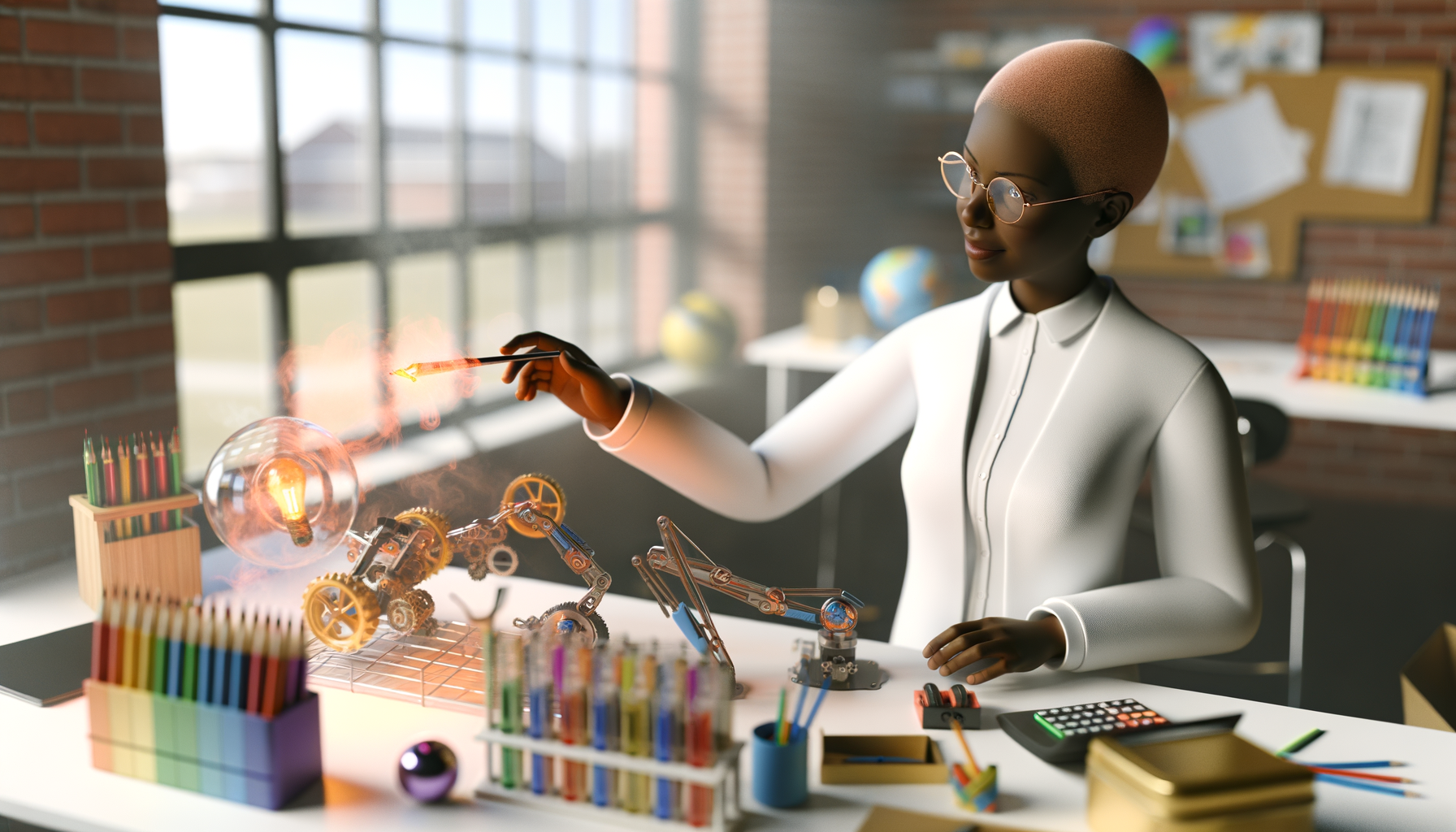
Why does this matter? Because life isn't split into neat boxes. Building a robot takes engineering, but designing it is pure art. Solving a math problem can be as creative as painting. When classes blur those lines, you get learners who can see the big picture.
Why Are Schools Switching to STEAM Learning?
Schools see that test scores are not the only way to measure success. Kids need to ask new questions, not just answer old ones. Arts help with that. They make hard stuff less scary, bring energy to dry topics, and give every student a way to show what they know.
- Keeps students interested in school
- Boosts creative problem-solving
- Builds confidenceespecially for kids who don't love math
- Makes classrooms feel more real-world
One teacher told me her science class changed completely after kids made posters and acted out chemical reactions. Suddenly, no one was lost or bored. The lesson stucknot just the facts, but the feeling.
Does Arts Integration in STEM Really Work?
In short, yesbut not every time or for every kid. When schools blend art with science projects or let students draw out a math process, there's more room for mistakes and new ideas. Studies show STEAM curriculum can boost scores, especially for kids who struggle in traditional STEM classes. But it also takes more planning and sometimes, extra training for teachers.
- Kids remember lessons better when they use hands, voices, or imagination
- Group work gets easier (less fighting, more creative ideas)
- More students feel like they belong in science and math
The catch? Some schools treat STEAM as an 'extra' project and not as the main event. Then, it just feels like extra busywork. Done right, STEAM isn't a worksheet in disguiseit's built into every lesson.
How Can Parents and Teachers Support STEAM Curriculums?
You don't have to become an art or science expert. Just look for ways to mix creativity into daily work.
- Ask kids to sketch science ideas, not just write about them
- Use music or acting to explain tough concepts
- Let students pick projects that use their talents (drawing, coding, building, photography)
At home, use art to talk about any subjectnot just in 'art class' time. Build something together from scraps at home. Let your kid teach you with a song or skit about something they learned in school. The goal is not to add stress, but to spark curiosity and fun.
What Could Go Wrong With STEAM Learning?
Okay, not everything is sunshine. Sometimes, schools jump into STEAM without enough planning. Lessons can be messy, or teachers aren't sure how much art to add. Kids might feel lost if they need more structure, or fall behind on basics if everything becomes a group project.
- Easy to get off-track without clear goals
- Hard to measure progress (not everything gets a grade)
- Can feel awkward for teachers used to strict curriculums
If STEAM feels forced or shallow, it won't stick. The best STEAM lessons let kids try, fail, laugh, and still learn the core stuffwhile building confidence to ask questions and take risks.
What Does Educational Success Look Like With STEAM?
It's not about kids all becoming artists or tech wizards. Success means students want to learn, not just pass tests. They see connections between what they love and what they need to know. Teachers notice students asking more questions, working together, and coming up with solutions adults never thought of.
- Kids find learning less stressful
- More students stay interested in science and math as they get older
- Classrooms prepare kids for real-life jobs that need both creativity and logic
If you walk into a STEAM-based classroom, you'll see kids building, drawing, laughing, and arguing (the good kind). The energy is different. And that's the goalmaking school a place where every kind of brain has a way to shine.
FAQs: Answers to Real Questions About STEM to STEAM Education
- Q: What's the biggest difference between STEM education and STEAM learning?
A: STEM is about science, technology, engineering, and mathbuilding skills with logic and facts. STEAM adds arts like drawing, music, or writing into every subject. This mix helps students use both sides of their brain, turning tough subjects into ones they might actually enjoy. - Q: Can arts integration in STEM help kids who struggle in math or science?
A: Yes. Many kids who don't 'get' math or science learn better when they can draw, act, or sing about a topic. It helps ideas stick because they're using more senses and making real-world connections. It's not a magic fix, but it gives kids more ways to understand and remember things. - Q: How do teachers start using a STEAM curriculum in the classroom?
A: Start small. Try one project where art and science or math mixlike making a music video for a chemistry lesson. Let kids lead with their talents. Teachers don't need a full kit of fancy supplies; even simple materials and imagination work. The trick is making it part of daily lessons, not just a one-off activity. - Q: Is STEAM learning better for all students?
A: STEAM isn't perfect for everyone. Some kids like facts in a straight line, and that's okay. But mixing art with science gives all learners a chance to show what they know in their own way. Most students benefit from variety, and even kids who love rules get a creativity boost. - Q: Will STEAM education replace traditional teaching?
A: No, it's not an all-or-nothing deal. Schools still teach basic reading, math, and science. STEAM makes those lessons more creative and fun, not less important. It's about balancehelping students build skills while using their imagination. - Q: Does STEAM curriculum help with test scores or college readiness?
A: Studies say yes, especially for students who struggle with memorization or traditional tests. When students understand ideas deeply through art, they're more likely to remember and apply them. Plus, colleges and jobs love people who can solve problems in creative ways.
Here's the bottom line: Learning sticks when it's fun, hands-on, and lets kids (and adults) think outside the usual boxes. Try adding a little art to your next science project or math problemsee what happens. You'll be surprised who gets excited about learning next.