Ever look at college requirements and think, 'No way am I getting in'? You're not alone. Lots of people start chasing dream schools and hit the same walls: missing credits, low marks, or you just took the wrong classes. This is where academic upgrading comes in. It's the not-so-secret tool students (and adults) use to fill in gaps, beef up grades, or totally rewrite their school story. Let's break down what the process really looks like, why it matters, and how people get it doneno sugar-coating.
What Is Academic Upgradingand Why Should You Care?
Academic upgrading is a way to improve your marks or add classes you missed so you meet college admission requirements. It isn't about cheating the system or cutting corners. It's about making sure you actually have what schools want, whether that's university-level math, senior English, or something super specific like chemistry.
- It lets you redo courses if your grades weren't great
- You can add classes you didn't take in high school (or skipped years ago)
- It helps adults who never finished high school or want to try college later in life
- It opens the door to programs you thought were out of reach
The big thing: upgrading makes you a real candidate, not just another name on the pile.
How Does Academic Upgrading Work?
This isn't one-size-fits-all. There are a few ways to level up so you meet post-secondary preparation standards.
Upgrading High School Courses (For Teens & Recent Grads)
If you finished high school but your marks aren't college-ready, you can retake classes. Many school boards offer day, night, or summer school. These aren't as scary as they soundyou're mostly with people chasing the same goal. The vibe's focused: everyone wants out as soon as possible.
- You can usually finish a class in 4-8 weeks
- Often smaller classes, less drama
- Your highest grade is what colleges see
Adult Education Programs
If you're older or didn't finish high school, adult education programs are made for you. They teach the same stuff but with less busywork, more real-life help, and people your age (no teen drama). Instructors know you have jobs, kids, or long breaks since school. You'll get credit for work experience or things you've learned on the job.
- Classes tailored for adultsno dress code, no bells
- Flexible timing: day, night, part-time, or remote
- Option to finish a diploma or just a few courses
- Sometimes free (public boards/governments often cover it)
Online Upgrading Courses
Online upgrading courses change the game for a lot of people. No commute. No awkward classroom. Set your schedule. Just be honest: it takes willpower. It's so easy to fall behind if you're used to someone nagging you. But if you're working and want to polish a few credits or fix a bad mark, it's a solid choice.
- Work at your pacesome offer deadlines, some are totally open
- Great for parents, full-time workers, or those far from schools
- Make sure courses are recognized by your target collegesask first!
Do Colleges Care If You Upgraded? Will It Hurt Your Application?
This is the million-dollar question. The answer: most colleges don't care how you got your grades, just that you have what they ask for. Some universities even expect students to use adult education or online upgrading courses. If you struggled the first round, showing you went back and nailed it can help you stand out.
- Marks from upgrading are usually counted the same as 'regular' marks
- Some competitive programs may average all your attemptsask admissions
- Nobody cares if you got chemistry at 19 or 59just have it
Where you might trip up: missing paperwork (like transcripts) or upgrading through unrecognized schools. Always double-check with admissions so you don't waste time.
What Could Go Wrong With Upgrading?
It's not all easy wins:
- Some colleges dont accept credits from private or out-of-province boards
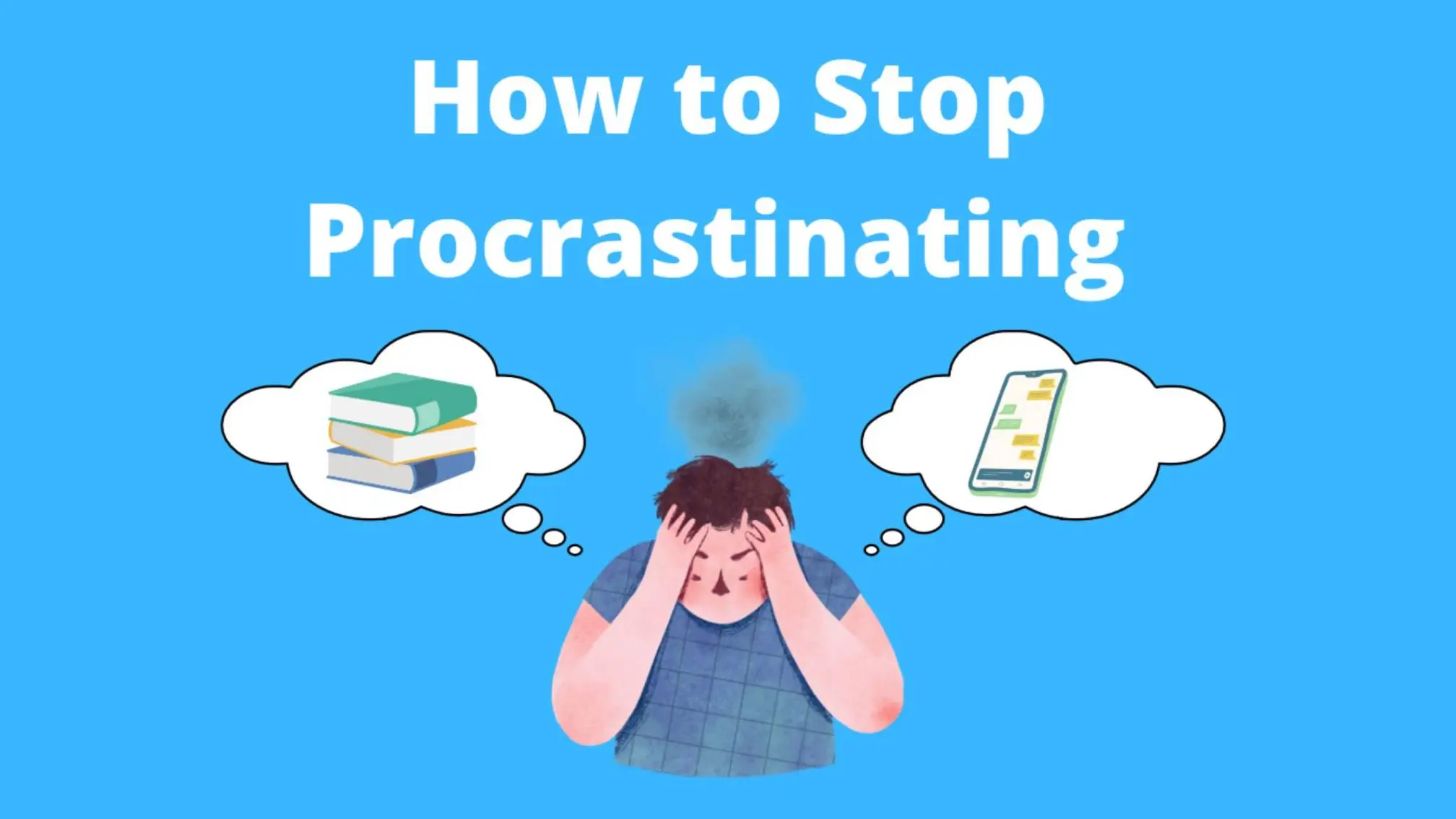
- Procrastinationonline classes can collect dust if youre not careful
- Trying to do too much at once and burning out
- Assuming all courses are free (not true for private or specialized upgrading)
If you're working or raising kids, its easy to put off schoolwork after a long day. Thats normal. The trick is to set micro-goalslike 'finish one assignment this week' instead of 'finish the whole course tonight'. Slow and steady wins here.
Best Kept Secrets: Real Tips for Academic Upgrading
- Ask colleges if they offer free prep sessions or checklistsmost do
- Find your local adult learning center: they often have counselors who know every shortcut
- Group with someone else working on the same courseaccountability helps
- Keep receipts and emails for everything (youll need proof for credits)
- If studying at home is impossible, use local libraries for quiet time
- Dont wait until the last minuteupgrading deadlines can be earlier than college deadlines
- Colleges dont advertise alternative routes, but almost all have themask for 'bridging' or 'access' programs
Real Talk: Who Should Upgradeand Who Shouldn't?
Should you jump into this? If youre staring at a program website and see 'must have Chemistry 12 with 70%' and your mark was a 62 or you never took the class, upgrading makes sense. Same if you want to swap careers and need a science you never did in high school.
- Great for: career changers, adult learners, or anyone who missed the right classes
- Maybe not for: people who already qualify, or who aren't sure about their goal yet
Dont let pride get in the way. Tons of successful grads upgraded something along the wayits nothing to hide.
What Happens After Upgrading?
The finish line for academic upgrading is when your grades hit your schools entrance bar. Youll need official transcriptsthese are gold. Some schools send them directly; others ask you to order and mail them yourself. Triple-check deadlines or you might miss out for another year.
After that? Apply like anyone else. No scarlet letter. Lots of people in your future class took the same winding road.
FAQs About Academic Upgrading
- Can I upgrade high school courses online even if I work full-time?
Yes, you can. Most online upgrading courses let you study when you want, so they're perfect for people with jobs or other commitments. Just make sure you set a schedule and stick to it. It's easy to fall behind if you don't have set hours, but if you plan your week, you'll finish your courses just fine. - Do colleges look down on upgraded marks?
No, most colleges treat upgraded marks the same as your original marks. They care that you meet admission requirements, not how you got there. There are a few programs that average all your results, so always check with admissions if you're worried about retaking courses. - Is upgrading free for adults?
It depends where you live. Many public school boards and governments offer free adult education programs, especially for needed courses or full diplomas. If you go with private or specialty schools, you might have to pay. Always ask if there's funding helpyou might be surprised. - How do I know if my upgraded course is accepted by colleges?
Always check with the college before you sign up. Ask for a list of accepted courses or providers. If you use a public school board or big adult learning center, you're likely safe. For private or online-only programs, call admissions to make sure your work will count toward post-secondary preparation. - Can I upgrade just one course, or do I need a full diploma?
You can upgrade a sngle course if that's all you need for your chosen college program. Many people just fix their math or English mark and stop there. Only go for a full diploma if you're missing many credits or never finished high school at all. - What's the fastest way to finish academic upgrading?
Fastest is usually online or summer school, where you can focus on one course at a time. But fast isn't always easiestcramming too much can get overwhelming. Pick the method that fits your life and stick with it until you're done.
Bottom line? If you want to upgrade, don't wait. The sooner you start, the sooner you can move on to the next thing. It's your futuretake the shortcut if you need it.