Your phone keeps buzzing with unknown numbers. You check your bank app and feel that clench in your stomach. Bills are piling up and your income cant keep up. If this sounds like you, youre not aloneand you might be searching for a way out. Thats where bankruptcy filing steps in. Lets clear up what it really means, how it can erase your debt woes, and how to use it smartlynot just desperately.
What Exactly Is Bankruptcy Filing?
Think of bankruptcy filing as hitting the reset button on your debt. Its a legal process that helps you get rid of most, if not all, of what you owe, or create a plan to pay some back without the chaos of constant calls and threats.
- Chapter 7: Clears out most debts quickly (good if you dont own much property)
- Chapter 13: Sets up a plan to pay off some debt over several years (lets you keep your home or car)
Saying the word bankruptcy freaks people out, but the truth is, its a tool built for tough times. The goal? Debt relief and financial recovery, so you can breathe again.
How Does the Bankruptcy Process Work?
Heres how bankruptcy filing usually goes:
- You gather info on everything you owe and what you own
- Fill out paperwork (your lawyer can help, or you can try it yourself if youre bold)
- File with the court and pay a fee
- Automatic pause on collectionscalls and letters stop now
- You meet with a trustee who makes sure your info is true
- Court decides what happens to your debts and your stuff
Sounds stressful, but most people feel relief once its started. The hard part is facing it, not doing it. The rules look tough, but the system isnt out to get you.
Who Should (and Shouldn't) Try Bankruptcy Filing?
Bankruptcy filing isnt for everyone. If you lost your job or had a medical emergency, odds are, it could help you wipe out or reorganize what you owe. Heres who might want to consider it:
- Your debt is more than half your income
- Bills are past due by months (not just a little late)
- Youve tried debt relief or consolidation and nothing sticks
- Collectors wont back off, and its ruining your life
But bankruptcy wont fix:
- Student loans (unless you can prove undue hardshipits rare)
- Recent taxes
- Child support or alimony
- Loans for luxury stuff made right before filing
If your debts fall in these groups, talk to someone before you make a move.
What Are the Real Pros and Cons?
Bare truth? Bankruptcy filing can feel like a relief and a headache all at once. People worry about losing everything, but heres what usually happens:
- Pro: Most debts wiped away (credit cards, old bills, medical debt)
- Pro: Stop lawsuits, wage garnishments, and nasty calls
- Pro: Start rebuilding credit after its over
- Con: Hits your credit report for up to 10 years
- Con: You might have to give up some stuff, but most basics are safe (like clothing, basic furniture, tools)
- Con: Can't file again for years if you get into trouble again soon
Heres the thingalmost everyone who files wishes theyd done it sooner instead of dragging out the stress. Bankruptcy laws are strict for a reason, but theyre not a life sentence. Plenty of folks who file later buy homes, cars, and rebuild their savings.
Which Debts Get Erasedand Which Dont?
Not all debts are equal under bankruptcy laws. Heres what most people can get rid of:
- Credit cards
- Medical bills
- Personal loans
- Old utility bills
But youll still owe:
- Most student loans
- Recent tax bills
- Child support and alimony
So before you file, add up what you owe in each category. That way, you wont be caught off guard about what sticks around.
Whats Life Really Like After Bankruptcy?
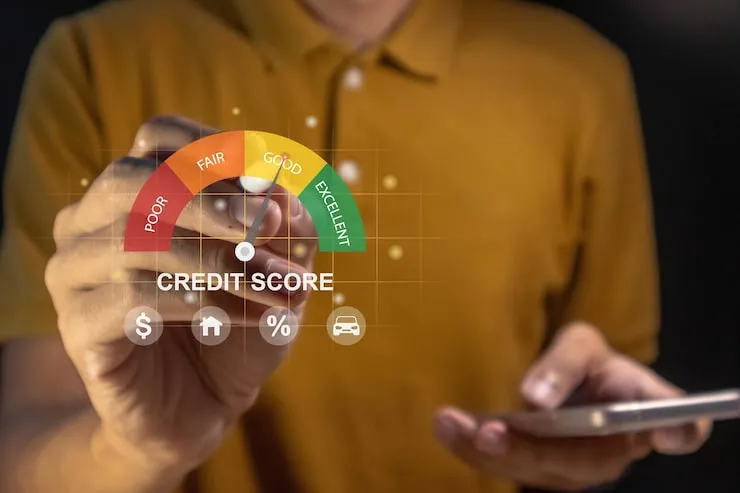
This is the scary part for mostwhat will life look like after bankruptcy? Heres the real story. Yes, your credit will drop. But most people are surprised how quickly offers roll back in. You can get a secured credit card and start rebuilding fast. Within two years, you might qualify for a car loan or a rental lease.
The relief of not dodging calls is real. You can finally set a budget and stick to it. Sure, you may need to hustle for a while and save up, but bankruptcy filing is meant to be a chance for real financial recoverynot the end of your financial life.
What to Avoid: Mistakes People Make Before and After Filing
People sometimes try last-minute tricks that end up causing bigger problems. Heres what not to do:
- Dont run up credit card debt right before you file
- Dont hide assets or transfer stuff to friends/family
- Dont skip court dates or ignore paperwork
- Dont expect all debts to disappearcheck your categories
Be honest through the bankruptcy process. Trying to game the system almost always backfires.
How to StartAnd What to Expect
Decide if bankruptcy filing might actually help, not hurt. The best first step? List all your debts and what you own. Do a reality check. If things look bad, talk to a professional. Legal aid or a free bankruptcy clinic can answer your first questions. If youre filing alone, double check the paperworkmistakes cause delays. If you use a lawyer, they make it less stressful, but youll still need to be open about every detail.
Tips for Bouncing Back After Bankruptcy
You dont have to stay in debt jail forever. Once you file, set up a basic budget, save whatever you can, and pay bills on time. Check your credit report often and dispute any errors. Dont be afraid to use a secured credit card to rebuild your score. The point is to learn new habits so you never have to file again if you can help it.
FAQs About Bankruptcy Filing, Debt Relief, and Financial Recovery
- Does bankruptcy filing stop all the collection calls right away?
Yes, as soon as you officially file, the court places an automatic pause on all collection activity. That means no more calls, letters, or lawsuits while your case is open. This is often the first big relief people feel. - Will bankruptcy erase every debt I have?
No, it wont wipe out everything. It can get rid of things like credit card balances and medical bills, but student loans, child support, and recent taxes usually dont go away. Make a list to check what will stay. - How long does bankruptcy affect my credit, and can I buy a house after?
Bankruptcy filing stays on your credit report up to 10 years, depending on the type. But your score starts improving earlier if you pay bills on time and build up new good credit. You can buy a house, but it might take 2-3 years if you rebuild responsibly. - Can I choose which debts to include in a bankruptcy case?
No, all debts and assets must be listed. You cant pick and choose. The court needs the whole picture to decide what happens. Trying to leave things out is a mistake that can cause a case to be thrown out. - Is bankruptcy my only option for debt relief?
Nope. Other options include negotiating with creditors, getting help from a credit counselor, or setting up a debt management plan. Bankruptcy is for when youve tried other approaches and nothing has workedand you truly cant pay your way out. - How do I find out if bankruptcy is the best choice for me?
Start by totaling your debts and figuring out what you can pay monthly. If you cant see a way out in 3-5 years, bankruptcy filing might be a better option. A quick talk with a lawyer or a debt coach can help clarify things.
Take a deep breathno ones life is ove because of bankruptcy. Its a second chance, if you use it wisely. Tackle your debt, be honest, and start moving toward that fresh start. Your future self deserves it.