You are not imagining things. Your credit card bill is higher this month than it was last year. Minimum payments are creeping up. The balance barely moves even when you send extra money.
That is the reality of rising interest rates. I have watched this happen to friends, family, and people I have advised over the years. It feels like running on a treadmill that keeps speeding up.
But you can get ahead of this. Here is how to manage debt with rising interest rates using strategies that actually work. No magic. Just practical steps.
Top 5 Best Way to Manage Debt With Rising Interest Rates 2026

1: Face the Numbers Head-On
This step hurts. I know it does. But you cannot fix a problem you refuse to look at.
Read Also: How To Get Out Of Debt On A Low Income
Grab a piece of paper or open a spreadsheet. Write down:
-
Every debt you owe
-
The current balance on each one
-
The interest rate (APR) for each account
-
The minimum monthly payment
-
The due date for each bill
Do not guess. Log into your accounts and get the exact numbers. This takes fifteen minutes. It might make your stomach drop. That is normal. Sit with that feeling and keep going.
Why this matters: You cannot prioritize what you do not understand. Once you see everything in one place, the path forward becomes clearer.
2: Pick Your Attack Plan
There are two main ways to pay off debt. Both work. Choose the one that fits how your brain operates.
The Avalanche Method (Mathematically Best)
List your debts from highest interest rate to lowest. Pay the minimum on everything. Throw every extra dollar at the debt with the highest rate.
Example: You have a credit card at 24% APR and a personal loan at 12% APR. Attack the credit card first. Every extra payment there saves you more money in the long run.
This method saves you the most cash over time. The downside? You might not see a balance disappear for months, and that can feel discouraging.
The Snowball Method (Psychologically Best)
List your debts from smallest balance to largest. Pay the minimum on everything. Throw every extra dollar at the smallest balance.
Example: You have a $500 store card, a $2,000 credit card, and a $10,000 loan. Wipe out the store card first. The quick win gives you momentum.
This method costs you slightly more in interest. But it keeps you motivated. When that first balance hits zero, you feel unstoppable.
What I recommend: If you struggle with motivation, use the snowball method. If you are disciplined and want to save every possible dollar, use the avalanche method. Either way, just start.
3: Lower Your Interest Rates Today
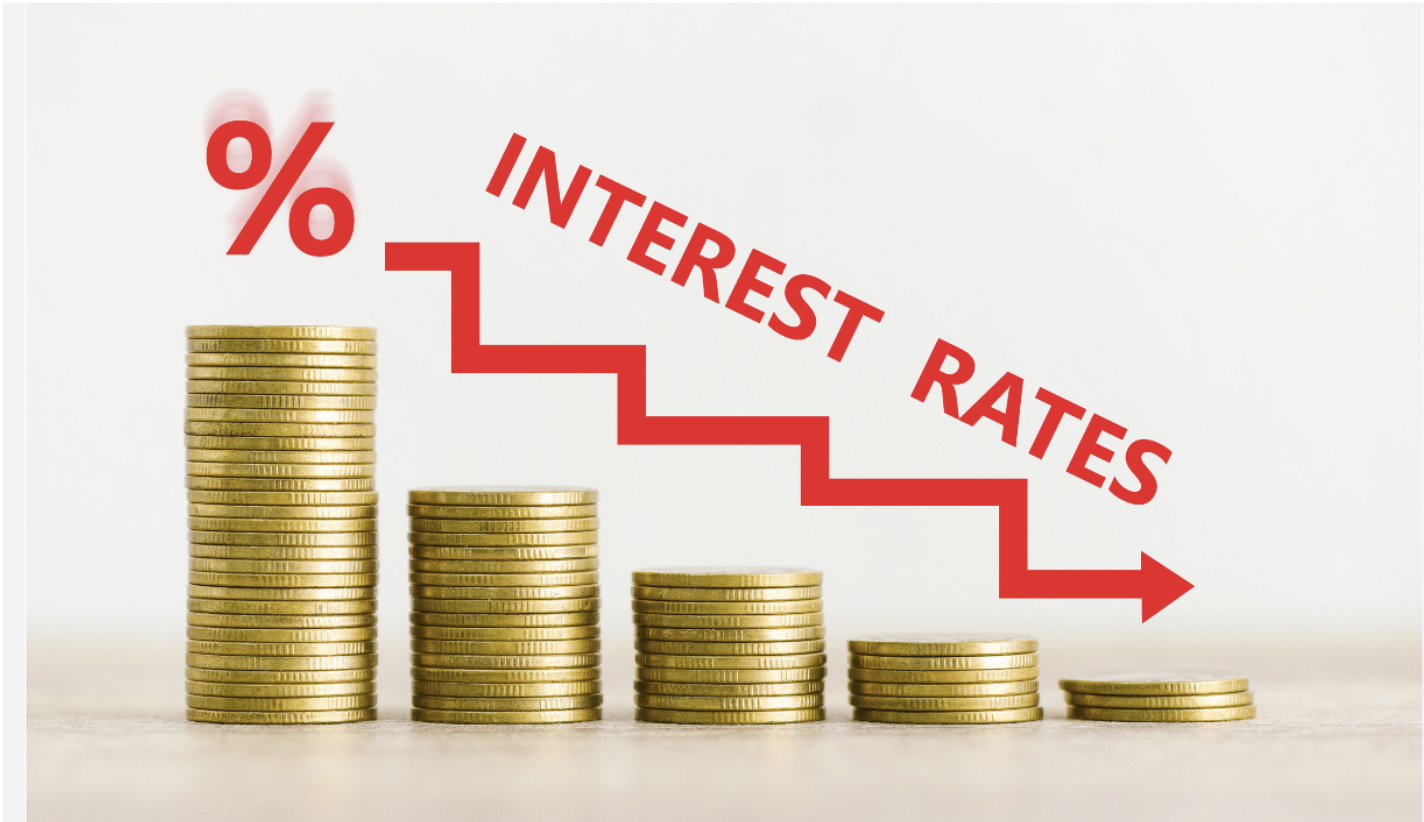
High interest is what keeps you trapped. Every dollar that goes to interest is a dollar that does not reduce your principal. Lowering your rate changes everything.
Call your credit card company
Pick up the phone. Say this: "I have been a customer for X years and always pay on time. Can you lower my APR?"
You Must Also Like: How to increase credit score quickly in the USA?
I have seen this work. Creditors would rather give you a small break than risk you defaulting entirely. Be polite. Be persistent. If the first person says no, ask to speak with a supervisor.
Look at balance transfer cards
Some credit cards offer 0% APR on balance transfers for 12 to 18 months. If you qualify, you can move your high-interest debt to this card and pay zero interest during that window.
The catch: You need good credit to qualify. There is usually a transfer fee, typically 3% to 5% of the amount you move. And you must pay off the balance before the promotional period ends, or you will face the regular interest rate.
Consider a personal loan for consolidation
If you have multiple high-interest debts, a single personal loan with a lower rate might simplify everything. One monthly payment. One interest rate. One due date.
A debt consolidation loan can reduce your monthly burden and help you pay off debt faster. But only do this if you get a lower rate than what you are currently paying.
4: Free Up Cash Immediately
You need extra money to throw at your debt. Here is where to find it.
Cancel subscriptions you do not use
Open your bank statement. Go through every recurring charge. Streaming services. Gym memberships. App subscriptions. That meal kit you never use.
Cancel anything you have not touched in the last thirty days. I did this recently and found $80 per month in unused subscriptions. That is nearly $1,000 per year toward debt.
Cut your food budget
Eating out is expensive. Coffee shop runs add up. Grocery delivery fees eat into your budget.
Cook at home. Brew your own coffee. Pack lunch for work. These small changes free up real money each month.
Use the 24-hour rule for purchases
Before buying anything nonessential, wait a full day. Most impulse purchases lose their appeal after twenty-four hours. If you still want it and can afford it, then buy it.
5: Bring in Extra Income
Cutting expenses only goes so far. If you still cannot make progress, you need more money coming in.
Pick up a side hustle
The gig economy is bigger than ever. Drive for Uber or DoorDash. Walk dogs on Rover. Freelance your skills on Upwork or Fiverr. Tutor students in a subject you know well.
Trending Article: Can Cryptocurrency Make You Rich? Realistic Expectations
Even an extra $200 per month makes a difference. That is $2,400 per year toward your debt.
Sell things you do not need
Walk through your home. Clothes you never wear. Electronics you do not use. Furniture gathering dust.
List them on Facebook Marketplace, eBay, or Poshmark. One person I know paid off $3,000 in credit card debt just by selling stuff from their garage.
Use windfalls strategically
Tax refund. Work bonus. Birthday cash. That money should go straight to your highest-interest debt. Do not spend it. Treat it like it never arrived.
6: Get Help When You Need It
Some situations are too heavy to carry alone. That is okay.
Talk to your bank or credit union
Ignoring your creditors makes things worse. Call them. Explain your situation. Many financial institutions have hardship programs or can restructure your payments.
Contact a nonprofit credit counselor
Organizations like the NFCC offer free or low-cost counseling. They can negotiate with your creditors on your behalf. They help you build a realistic budget and payment plan.
Know when to consider a Debt Management Plan
If your unsecured debts exceed twelve times your monthly income, you might qualify for a formal Debt Management Plan. This consolidates your debts with one participating bank at a lower interest rate. It is not bankruptcy. It is a structured path out.
What to Avoid?
Do not use retirement money. Cashing out your 401(k) to pay credit card debt triggers penalties and taxes. You lose years of compound growth. Exhaust every other option first.
Do not take out payday loans. The interest rates are astronomical. They trap you in a worse cycle than the one you are trying to escape.
Do not ignore the problem. The debt does not disappear. It grows. Every month you wait, your balance increases and your options shrink.
The Final Thoughts
Rising interest rates make debt more expensive. That is a fact. But you still have power.
Start with a clear picture of what you owe. Pick a payoff strategy. Lower your rates. Cut expenses. Earn extra income. Get help if you need it.
Progress feels slow at first. That is normal. Keep going. Every payment reduces your balance and your stress. You are not stuck. You just need a plan.
FAQ's ABout - I Am in Debt and Have No Money
How do I pay off debt when I have no extra money?
Start by tracking every dollar you spend for one month. You will find leaks. Cancel subscriptions. Cut food costs. Sell unused items. Even small changes free up cash. If that is not enough, look for side hustle income.
Is debt consolidation a good idea?
Only if you get a lower interest rate than your current debts. A personal loan with a 12% APR beats credit cards at 24% APR. But if your credit is poor and you cannot get a better rate, consolidation might not help.
Should I use a balance transfer credit card?
Yes, if you can pay off the balance before the 0% promotional period ends. And if the transfer fee does not wipe out your savings. Do the math before you apply.
What is the fastest way to pay off credit card debt?
Attack the highest-interest debt first (avalanche method). Put every extra dollar toward it. Make multiple payments per month to reduce interest accrual. Stop using the card entirely while you pay it down.
When should I seek professional help?
If your monthly debt payments exceed 40% of your income. If you are missing payments or using one credit card to pay another. If the stress is affecting your health or relationships. Nonprofit credit counseling is a safe, effective starting point.