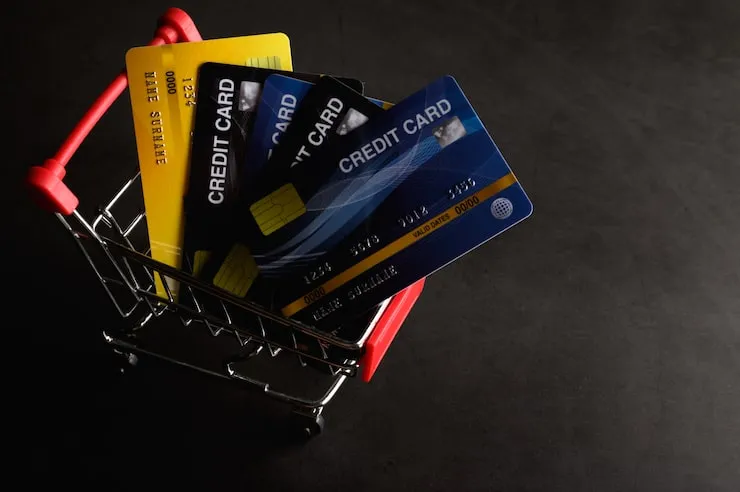
Having a low credit score can feel discouraging, especially when you’re trying to improve your financial situation. A 520 credit score is considered poor by most scoring models, and many traditional lenders may deny applications outright. However, the good news is that a low credit score does not mean you are completely locked out of the credit system. In fact, there are new credit cards available even with a 520 score, designed specifically to help people rebuild or establish credit.
This article explores how credit cards work for low credit scores, the types of cards available, what to expect when applying, and how to use these cards responsibly to improve your financial future.
Understanding a 520 Credit Score
Before looking at available credit cards, it’s important to understand what a 520 score means.
What Is a 520 Credit Score?
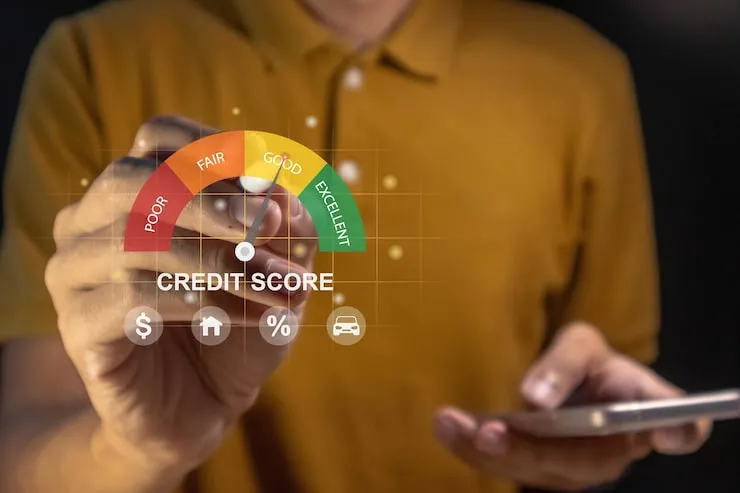
A credit score of 520 typically falls within the “poor” range. Most commonly used scoring models, such as FICO and VantageScore, categorize scores as follows:
-
Excellent: 800+
-
Very Good: 740–799
-
Good: 670–739
-
Fair: 580–669
-
Poor: Below 580
At 520, lenders see you as a high-risk borrower. This may be due to:
-
Missed or late payments
-
Accounts in collections
-
High credit utilization
-
Limited or no credit history
-
Bankruptcy or charge-offs
While this score limits access to traditional credit cards, it does not eliminate your options entirely.
Why Credit Card Companies Approve Low Scores
Many financial institutions recognize that people deserve a second chance. New credit card products are designed for individuals who are rebuilding credit or starting fresh.
Why Lenders Offer These Cards
Credit card issuers approve low-score applicants because:
-
These cards typically have lower limits
-
Interest rates are higher, reducing lender risk
-
Fees or security deposits offset potential losses
-
Responsible usage improves customer loyalty
For consumers, these cards provide a pathway back to healthy credit.
Types of Credit Cards Available With a 520 Score
Even with a low credit score, you may qualify for several types of credit cards. Each option has different benefits and drawbacks.
1. Secured Credit Cards
Secured credit cards are the most common and accessible option for people with a 520 credit score.
How Secured Cards Work
-
You provide a refundable security deposit
-
The deposit usually becomes your credit limit
-
The card functions like a regular credit card
-
Activity is reported to credit bureaus
Why Secured Cards Are Ideal
-
High approval odds
-
Helps rebuild credit safely
-
Some cards upgrade to unsecured versions
-
Lower risk of overspending
Things to Watch Out For
-
Annual fees on some cards
-
Requires upfront cash deposit
Secured cards are widely considered the best starting point for rebuilding credit.
2. Unsecured Credit Cards for Bad Credit
Some companies offer unsecured credit cards designed for people with poor credit, including scores around 520.
Key Features
-
No security deposit required
-
Lower credit limits
-
Higher interest rates
-
Often include monthly or annual fees
Pros
-
No upfront deposit
-
Reports to credit bureaus
-
Can improve credit if used responsibly
Cons
-
Fees can be expensive
-
Limited rewards or benefits
-
High APR makes carrying a balance costly
These cards are useful when secured cards are not an option, but careful comparison is essential.
3. Store Credit Cards
Retail store cards are often easier to qualify for than general-purpose cards.
How Store Cards Help
-
Lower approval requirements
-
Designed for specific retailers
-
Smaller credit limits
-
Can build payment history
Limitations
-
Usable only at one store or brand
-
Higher interest rates
-
Limited flexibility
Store cards can help rebuild credit, but they should not be your only credit account.
4. Credit Builder Cards
Some newer financial products combine credit cards with credit-building tools.
Features of Credit Builder Cards
-
Low limits
-
Automated reporting to credit bureaus
-
Often linked to checking or savings accounts
-
Designed specifically for rebuilding credit
These cards focus more on financial habits than spending power.
What to Expect When Applying With a 520 Score
Applying for credit with a low score can feel intimidating, but knowing what to expect makes the process easier.
Common Approval Requirements
-
Proof of income
-
U.S. residency (or relevant country requirements)
-
Valid identification
-
Bank account (for some cards)
Most cards designed for low scores do not require excellent credit history.
Fees and Interest Rates
Cards available with a 520 score often include:
-
Annual fees
-
Monthly maintenance fees
-
High APRs
-
Foreign transaction fees
Reading the terms carefully is crucial to avoid surprises.
How to Use a Credit Card to Improve a 520 Score
Getting approved is only the first step. How you use the card determines whether your score improves or worsens.
1. Always Pay On Time
Payment history is the most important factor in your credit score.
-
Set up automatic payments
-
Pay at least the minimum every month
-
Late payments can significantly hurt your score
2. Keep Credit Utilization Low
Credit utilization measures how much of your available credit you use.
-
Aim to use less than 30% of your credit limit
-
Lower usage is even better
-
High balances signal financial stress
For example, with a $300 limit, keep your balance under $90.
3. Avoid Carrying a Balance
High-interest cards make carrying a balance expensive.
-
Pay off the balance each month if possible
-
Interest does not help your credit score
-
Paying in full shows responsible usage
4. Don’t Apply for Too Many Cards
Multiple applications can lead to hard inquiries, which temporarily lower your score.
-
Apply only when necessary
-
Focus on one card at a time
-
Let your score improve before applying again
5. Monitor Your Credit Report
Regularly checking your credit report helps you:
-
Track progress
-
Identify errors
-
Catch fraud early
Improving your score from 520 takes time, but steady habits make a real difference.
How Long Does It Take to Improve a 520 Credit Score?
Credit improvement is not instant, but progress can happen faster than many people expect.
Typical Timeline
-
3–6 months: Small improvements with on-time payments
-
6–12 months: Noticeable score increase
-
12–24 months: Potential to move into fair credit range
Consistency matters more than speed.
Common Mistakes to Avoid
When rebuilding credit, some mistakes can slow progress or cause setbacks.
Avoid These Pitfalls
-
Missing payments
-
Maxing out your card
-
Closing old accounts too soon
-
Ignoring fees and interest
-
Applying for credit impulsively
Smart usage builds trust with lenders over time.
Are New Credit Cards Better for Low Scores?
Many newer credit card products are more consumer-friendly than older bad-credit cards.
Advantages of Newer Cards
-
Clearer fee structures
-
Mobile app tracking
-
Credit education tools
-
Faster reporting to credit bureaus
These features make it easier to manage credit responsibly.
Conclusion
A 520 credit score may feel like a barrier, but it is not the end of the road. New credit cards available even with a 520 score provide an opportunity to rebuild credit, establish better financial habits, and work toward a stronger financial future. Whether you choose a secured card, an unsecured bad-credit card, or a credit builder product, success depends on how responsibly you use it.
By paying on time, keeping balances low, and avoiding unnecessary fees, you can gradually improve your credit score and unlock better financial opportunities. Credit rebuilding is a journey, not a race—and every positive step counts.
Frequently Asked Questions (FAQs)
1. Can I really get a credit card with a 520 credit score?
Yes, many secured and bad-credit cards are designed specifically for people with scores around 520.
2. Will using a secured credit card improve my credit score?
Yes, as long as the card reports to credit bureaus and you make on-time payments while keeping balances low.
3. How much should I spend on a low-limit credit card?
Ideally, use less than 30% of your credit limit and pay the balance in full each month.
4. Are unsecured credit cards with a 520 score risky?
They can be if they include high fees and interest rates. Always read the terms carefully before applying.
5. How long does it take to move from 520 to a higher score?
With responsible use, many people see improvement within 6 to 12 months.
6. Should I close my card once my credit improves?
Not immediately. Keeping older accounts open can help your credit history and score.
7. Do all low-credit cards report to credit bureaus?
Most do, but always confirm that the card reports to at least one major credit bureau.