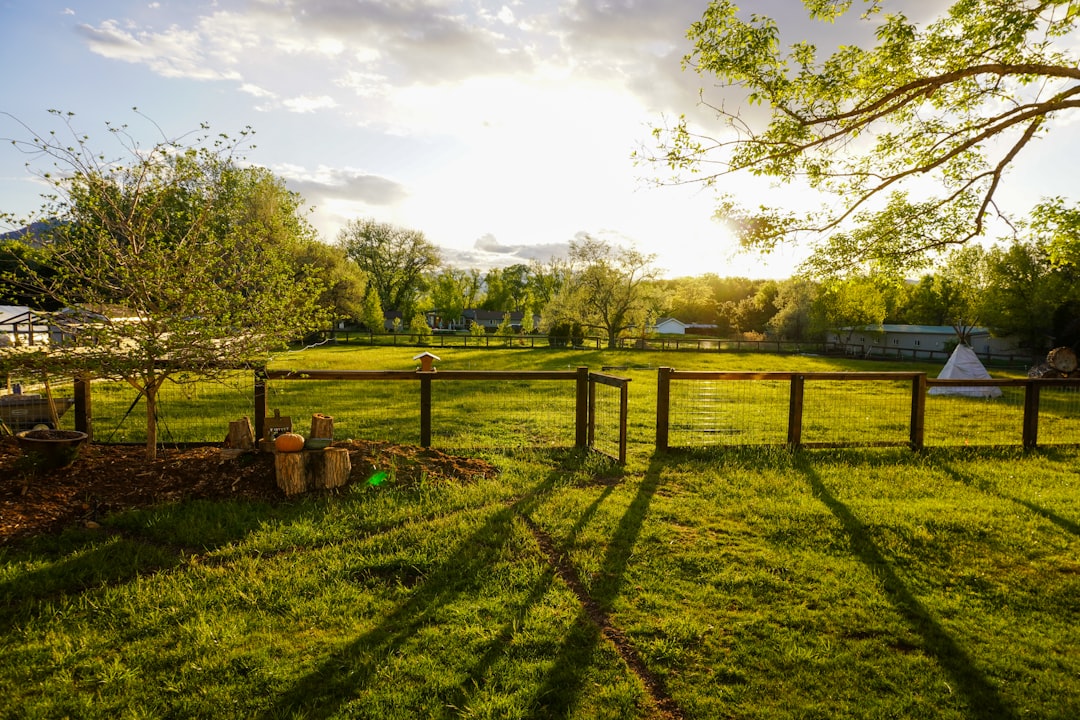
Owning a little patch of land where you raise chickens, grow veggies, and get your hands dirty sounds like heaven to a lot of folks. But getting there? That part trips people up. The words "hobby farm loan" pop up in your search history and suddenly, you're buried under paperwork, fine print, and banker speak. It's no fun. But it doesn't have to be a nightmare.
Let's break down this whole processstep by step, with all the stuff they don't tell you in those glossy brochures. You'll get the tips, warnings, and clear answers you actually need. If you want that simpler, country life, here's how to get the money to make it real.
What Exactly Is a Hobby Farm Loan?
A hobby farm loan is a loan people use to buy land and a house where they might farm a little, but not as their main job. Think of it as a mix between a regular home loan and something bigger, like a farm financing package. Usually, you're talking about a place less than 100 acres, maybe with some animals or crops, but you're not quitting your day job to become the next big farmer.
- Great for side businesses or family projects
- Fits smaller budgets
- Makes buying country land much less scary
Here's the catch: Not all banks know what to do with these loans. Some treat them like home loans, others act like you're buying the next mega farm. That's why shopping around matters.
How Is a Hobby Farm Loan Different from a Normal Mortgage?
At first, a hobby farm loan seems a lot like a regular mortgage. Both get you money to buy a house. But rural property loans are trickierespecially if you want land, a barn, or weird outbuildings. Lenders look hard at how much of the property is "farm" versus "house," and whether you plan to make money off it.
- Regular mortgage: For homes in towns and cities, usually a single house with a yard
- Small farm mortgage: For properties with land and maybe some farm activity, but not a full-fledged business
Lenders also check how much of your income depends on farming. If it's just for fun (or maybe eggs for the neighbors), you fit this "hobby" type. Want to sell acres of corn? That's a different kind of agricultural loan.
Who Offers Hobby Farm Loans and How Do You Qualify?
You might get a hobby farm loan from local banks, credit unions, or lenders that deal with farm financing. Some even have special programs for folks buying country homes with land.
- Credit score: Good to excellent helps a lot
- Income: Stable, mostly non-farm income works better
- Down payment: Expect to put down more than a city home (sometimes 20% or more)
- Property details: Size, number of buildings, and how much is "farmable" land
Common mistake? Thinking all lenders see these loans the same. Some love this stuff. Others panic if your backyard is a field. Always ask what kinds of rural property loans they do before wasting time filling out paperwork.
What Are the Steps to Getting Approved Fast?
Here's how to make things move smoothly (seriously, this can save you months of headaches):
- Get your credit score readyfix dings if you can
- Save for a bigger down payment than a regular home
- Have your job history (and pay stubs) handy
- Get detailed info on the propertyacreage, house, barns, water supply
- Ask the lender about "mixed use" properties so they're not surprised by goats or gardens
The first time I tried this, the bank didn't get why I had a chicken coop. It meant weeks of extra questions. The second time, I showed pictures, property maps, and a short writeup about what we'd actually do out there. The process was way smoother.
What Can Go Wrong With a Hobby Farm Loan?
Let's be honest: plenty can go sideways, and it's better to know up front.
- Agricultural land: If too much of your land is farm, some lenders wont touch it
- Zoning rules: Local laws might stop you from farming the way you want
- Well/septic issues: Lenders get nervous about rural utilities
- Insurance: Farm properties can be trickier (and pricier) to insure
If you don't dig into these details early, the loan can fall through when you're already way too invested (mentally and maybe with cash).
Tips to Make Farm Financing Less Stressful
- Work with a lender who has actually closed hobby farm loans before
- Be clear about your farm plansdont fudge or exaggerate them
- Keep your plans small to start (think chickens, a big garden, not a herd of cattle)
- Have a backup property or two, in case zoning turns out weird
This isn't like buying a condo downtown. The rules are different, but if you prep, youll be fine. Start small. Once youve lived this dream a while, youll know if you want to grow bigger (and which kind of loan that might take).
Is a Hobby Farm Loan Right for You?
If you want some space, maybe for a garden or a couple animals, but don't need to make a full living from the land, this type of rural property loan is likely your sweet spot. It makes more sense than overpaying for a business loan or trying to squeeze into a standard mortgage that doesn't cover outbuildings and land.
- Perfect for part-timers, families, or people looking for peace and quiet
- Not so great if you want to go "full farm" right awaystart here, upgrade later if you love it
What Should You Watch Out for With Lenders?
Lenders will have a lot of questions, and some may not have options for your exact setup. Be ready to:
- Explain your plans simply (no need to get too fancy)
- Push for clear termsdon't settle for confusion about interest rates, fees, or "farmable" acres
- Ask specifically if they do small farm mortgages (not just regular home loans)
If something is unclear, stop and ask for an explanation in regular words. Your lender should talk like a person, not a robot reading off a checklist.
Final Thoughts: Go After Your Hobby Farm Dream
There's always that little piece of you that wants a home away from the noise. The right hobby farm loan helps you get therewithout getting lost in the details. Prep your paperwork, find a lender who gets rural life, and start simple. This time next year, you could be planting tomatoes, watching the sunset over your fields, or showing your kids how to care for baby chicks.
Dreams don't wait. If you've got the itch for space and fresh air, start talking to lenders now. Even if you arent ready to buy today, knowing the process (and your real options for farm financing) gives you a head start when the perfect property comes along.
FAQs About Hobby Farm Loans
- How much do I need for a down payment on a hobby farm loan?
Most lenders want at least 15% to 20% down, sometimes more for rural property loans. This is higher than city mortgages because farm properties can be tougher to sell if you walk away. The more land, the higher the down payment usually gets. - Can I use a hobby farm loan for a working farm?
Not really. Hobby farm loans are made for folks who want a few animals or crops but still have a regular job. If you plan to make all your money from the land, look for an agricultural loan or small farm mortgage suited for businesses. - Do lenders check my income differently for a hobby farm?
Yes. Most care more about your regular job income than how much you might make from eggs or veggies. If you quit your job and go full-time farmer, you'll need a different type of farm financing. - What kind of property can I buy with this type of loan?
Usually, you can buy a home with land (like 5 to 100 acres), maybe a barn, and room for small animals or gardens. But every lender has their own limits, so always ask about property size and outbuildings before you go house hunting. - Does owning a hobby farm aise my insurance costs?
It can. Insurance companies look at outbuildings, livestock, and land use. Sometimes you need a special rural property insurance policy, especially if you allow visitors or sell products. Get quotes early, so you're not surprised at closing. - What if my credit isnt perfect?
You might still get approved, but expect to pay a higher interest rate and need a bigger down payment. Some lenders work only with excellent credit, but there are options for folks with good or average scores. The better your credit, the smoother the hobby farm loan process.