Buying a home for the first time is a big step. It is exciting but also scary. Many people make mistakes during this process. These mistakes can cost them time and money. This guide will help you avoid these problems. We will look at the most common errors first time buyers make. We will also show you how to avoid each one.
This guide uses simple language. We avoid hard words. We explain everything clearly. You do not need to be an expert to understand this. Our goal is to help you make smart choices. We want you to feel ready for this journey. Let us start with the most common mistakes first time home buyers.
What Is the Biggest Mistake First Time Home Buyers Make?

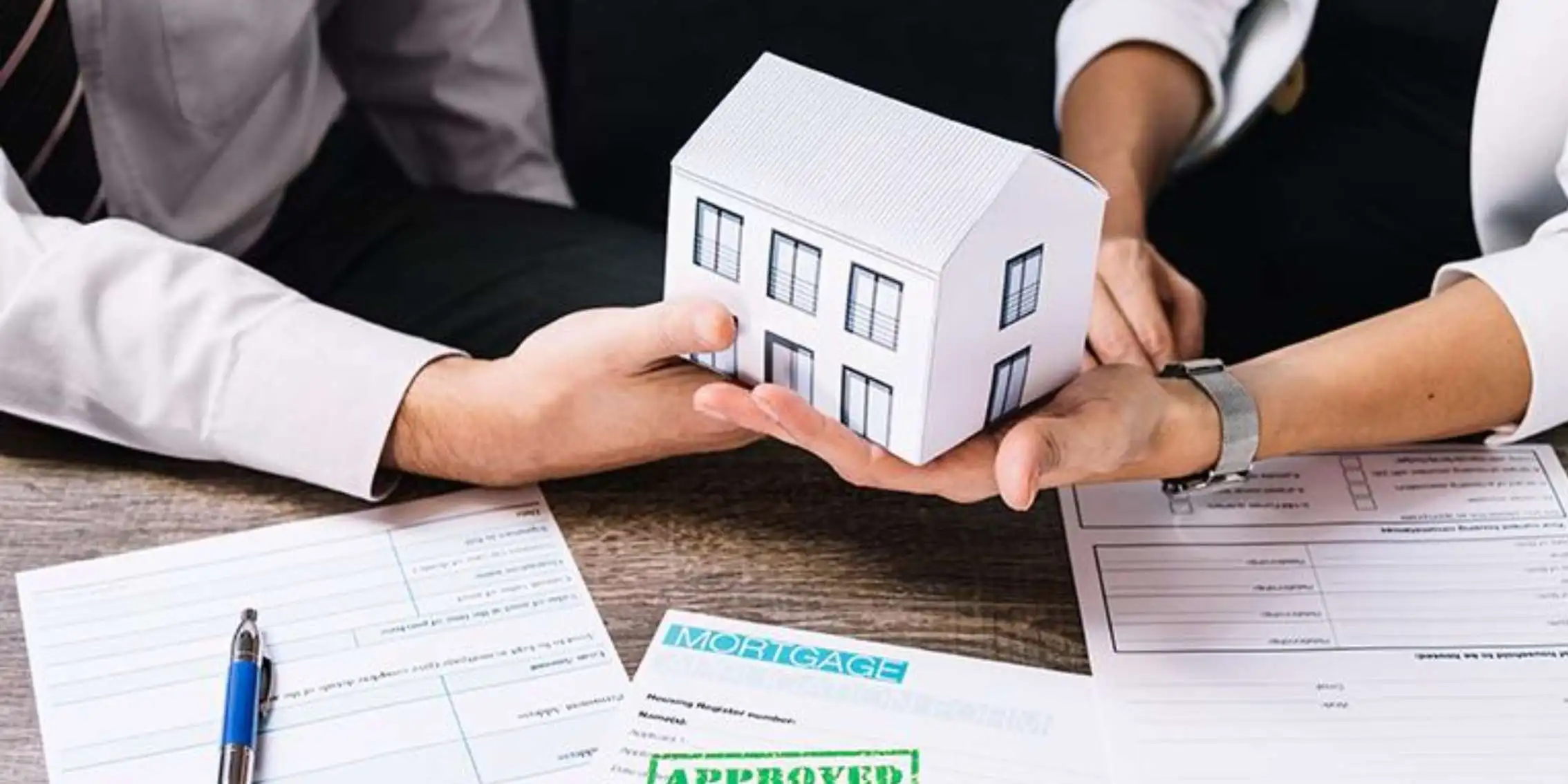
The biggest mistake is not getting pre-approved for a mortgage before looking at houses . Many people start by browsing homes online. They visit open houses. They fall in love with a house. Only then do they talk to a lender. This is backward.
Getting pre-approved means a lender checks your finances. They tell you how much money they will lend you. This number is your budget. Without it, you might look at homes you cannot afford. This leads to disappointment. You might also waste time looking at the wrong homes. Real estate agents often will not work with you without a pre-approval letter . Sellers will not take your offer seriously if you do not have one . So, do this first. Talk to a lender. Get pre-approved. Then start your home search.
Read Also: Ready To Move Vs Under Construction Property
Why Getting Pre-Approved Matters So Much?
Getting pre-approved is not the same as getting pre-qualified. Pre-qualified is a rough estimate. It is based on basic information you give a lender. It does not mean much. Pre-approved is more serious. The lender checks your credit. They look at your pay stubs. They review your bank statements. They verify your job history. This process gives you a real number.
This number protects you. It stops you from looking at homes you cannot buy. It also shows sellers you are serious. In a competitive market, sellers want certainty. They want to know you can get the loan. A pre-approval letter proves this. It gives you an edge over other buyers. It can help you win a bidding war. So, take this step seriously. It is your first and most important defense.
What Happens If I Buy a Home Without a Home Inspection?
This is a very bad idea. A home inspection is a visual examination of the property. A professional inspector looks at the house. They check the roof. They check the foundation. They test the plumbing. They test the electrical system. They look for problems you cannot see. These problems can be costly. Skipping the inspection to save money is a false economy. It can cost you thousands later.
Imagine you buy a house. You find out the roof leaks. Replacing a roof can cost $10,000 or more. You might find out the foundation has cracks. That could cost $20,000 to fix. These are huge expenses. You might not have this money after buying a home. A good inspection helps you avoid these surprises. It helps you make an informed decision. It can also give you bargaining power. You can ask the seller to fix problems or lower the price. So, never skip the inspection.
How Do I Choose the Right Real Estate Agent?
Choosing the right agent is crucial. Many first time buyers make a mistake here. They pick the first agent they find. Or they use the seller's agent. This is not a good idea. The seller's agent works for the seller. Their job is to get the best price for the seller. That is not your goal. Your goal is to get a good price for yourself. You need your own agent.
You should interview several agents before you decide. Ask them questions. How long have they been working? How many first time buyers have they helped? What is their strategy for finding homes? How will they negotiate for you? You want someone with experience. You want someone you feel comfortable with. You want someone who listens to you. They should understand your needs and budget. A good agent is a partner in this process. They guide you and protect your interests.
What Are the Hidden Costs of Buying a Home?
The purchase price is not the only cost. Many first time buyers forget this. They save for the down payment. But there are other costs. These are called closing costs. They can be 2% to 5% of the loan amount. You must pay these costs at the closing. The table below shows some of these common closing costs.
| Cost Type | What It Is | Typical Amount |
|---|---|---|
| Appraisal Fee | The cost to have the home's value assessed by a professional. | $300 - $500 |
| Title Search | The cost to check the legal history of the property. | $200 - $400 |
| Home Inspection | The cost for a professional inspection of the property's condition. | $300 - $500 |
| Attorney Fees | The cost for a lawyer to handle the legal paperwork. | $500 - $1,500 |
| Loan Origination Fee | A fee the lender charges to process your loan application. | 0.5% - 1% of the loan |
| Escrow/Prepaids | Money for property taxes and homeowner's insurance held in an account. | Varies widely |
| Recording Fee | The cost to officially record the new deed with the local government. | $50 - $200 |
You must plan for these costs. Do not use all your savings for the down payment. You need money for these fees. You also need money for moving costs. You might need money for new furniture. You will also have ongoing costs. These include property taxes, insurance, and maintenance. Budget for all of these expenses.
Should I Wait to Get a Mortgage Pre-Approval?
No, you should not wait. As we discussed, getting pre-approved is the first and most important step. Some people wait because they are nervous. They do not want to know if they have bad credit. They are scared of being rejected. This is a common fear. But waiting will not help.
Knowing your credit score is empowering. If it is low, you can work to improve it. You might need to pay down debt. You might need to fix errors on your credit report. This takes time. If you wait until you find a house, you will not have this time. You might lose the house. Also, lenders can give you advice. They can tell you how much you can afford. They can tell you what loan programs you qualify for. This helps you plan. So, get pre-approved as soon as possible.
The Importance of Checking Your Credit Report
Your credit report is a record of how you handle debt. Lenders look at it closely. It helps them decide if they will give you a loan. It also affects your interest rate. A good credit score means a lower interest rate. This can save you thousands of dollars over the life of the loan. A bad credit score means a higher rate. Or you might not get a loan at all. This is why checking your report is vital.
You are entitled to one free credit report from each major bureau every year. Get these reports. Look at them carefully. Look for errors. You might see accounts that are not yours. You might see late payments you never made. These errors can hurt your score. If you find errors, dispute them. Also, look at your debt. Lenders look at your debt-to-income ratio. This is how much debt you have compared to your income. Lower is better. So, check your report months before you apply for a mortgage.
How to Save for a Down Payment?
Saving for a down payment is a major challenge for many first time buyers. They often think they need 20% down. This is not always true. There are loan programs that require much less. For example, FHA loans require as little as 3.5% down. VA loans and USDA loans may require nothing down. You should research the loan types available to you. But even with a small down payment, saving is hard.
Here are a few ways to save more effectively:
-
Create a dedicated savings account. Use this only for your down payment. Do not touch it for anything else.
-
Set a realistic monthly goal. Decide how much you can save each month. Make it automatic. Set up a transfer from your checking to your savings.
-
Use a "round-up" app. These apps round up your purchases to the nearest dollar. They invest the extra change. This is a small but easy way to save.
-
Reduce your expenses. Look for things you can cut. Maybe you can eat out less. Maybe you can cancel a subscription. Every bit helps.
-
Consider down payment assistance programs. Many states and local governments offer help for first time buyers. Research these common mistakes first time home buyers.
Why You Should Not Drain Your Emergency Fund
You have worked hard to save for a down payment. It is tempting to use all your money. You might want to put a larger down payment. This could lower your monthly payment. But this can be a big mistake. You should never drain your emergency fund. An emergency fund is money for unexpected events. It is for things like a job loss or a medical emergency.
Owning a home comes with unexpected costs. The hot water heater might break. The roof might leak. A pipe might burst. These are not small fixes. They can cost hundreds or thousands of dollars. If you have no savings, you will be in trouble. You might have to put these repairs on a credit card. This adds to your debt. It also adds stress. So, keep your emergency fund intact. A good rule is to have 3 to 6 months of living expenses saved. Do not spend this on the down payment.
What Are the Different Loan Programs for First Time Buyers?
There are many loan programs out there. Each has different rules. It can be confusing. Here is a simple breakdown of some of the most common programs.
| Loan Type | Down Payment | Who Is It For? |
|---|---|---|
| Conventional Loan | As low as 3% for first-time buyers. | People with good credit and stable income. |
| FHA Loan | As low as 3.5%. | People with less-than-perfect credit. |
| VA Loan | 0% down. | Veterans, active-duty service members. |
| USDA Loan | 0% down. | People buying in eligible rural areas. |
| Fannie Mae HomeReady | As low as 3%. | Low-to-moderate income buyers. |
| Freddie Mac Home Possible | As low as 3%. | Low-to-moderate income buyers. |
The FHA loan is a popular choice for first time buyers with lower credit scores. VA loans are a great benefit for those who have served in the military. USDA loans are for those who want to live in a rural area. Conventional loans are for people with good credit. You can often get a conventional loan with just 3% down. Your loan officer can help you decide which is best for you. They will look at your credit and your finances. They will explain the pros and cons of common mistakes first time home buyers.
Is a Fixed-Rate or Adjustable-Rate Mortgage Better?

This is a big question. Your choice will affect your monthly payment. It will affect your total cost over time. A fixed-rate mortgage has the same interest rate for the whole loan. Your principal and interest payment will stay the same. This gives you stability. You know exactly what your payment will be. This is good for budgeting. Most experts recommend this for first time buyers.
An adjustable-rate mortgage has a rate that changes. It starts at a lower rate. This can make your initial payment lower. After a set number of years, the rate changes. It can go up or down. It can go up a lot. This can make your payment increase. This is risky. It is not recommended unless you know you will only live there a short time. A fixed-rate is safer. It provides peace of mind.
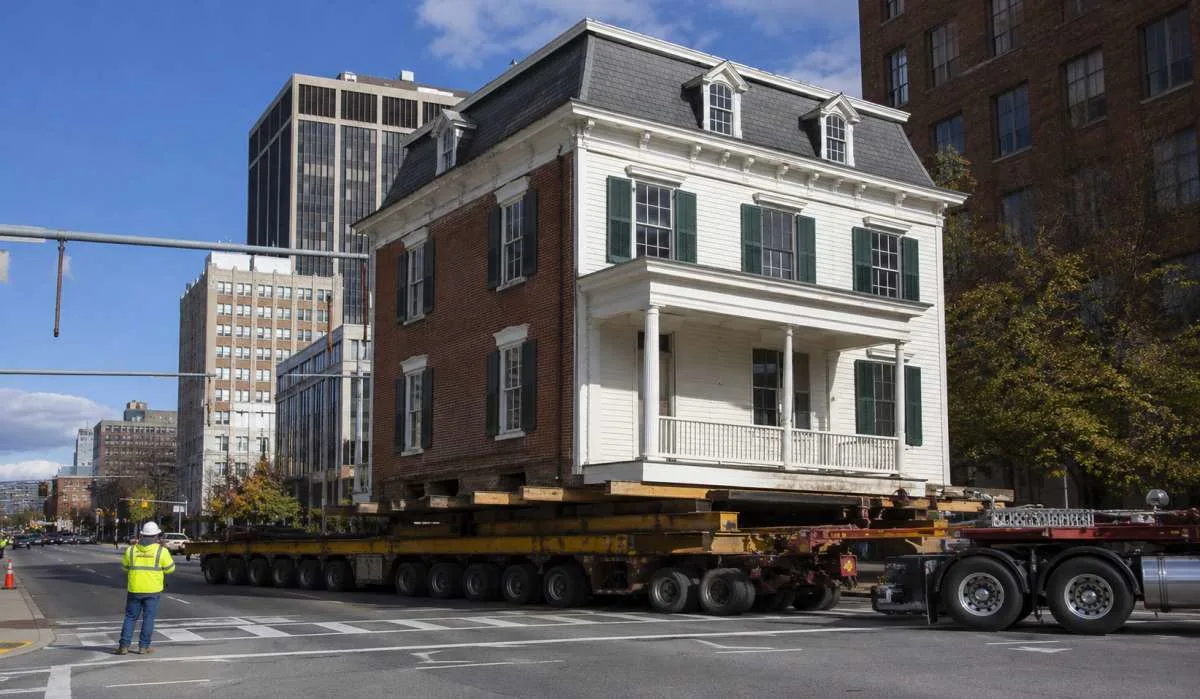
You May Also Like: 8 Incredible Historic Homes That Were Relocated Brick by Brick
How Much House Can I Really Afford?
This is the most important financial question you will ask. You cannot just rely on the pre-approval amount. The lender might approve you for a high number. That number is often the maximum they will lend. It does not mean you should borrow that much. You must do your own math. You must look at your full budget. The rule of thumb is the 28/36% rule.
The 28/36% rule is a guideline. Your total housing costs should be no more than 28% of your gross monthly income. Your total debt payments, including the mortgage, should be no more than 36%. For example, if you make $5,000 a month before taxes, your housing costs should not exceed $1,400. Your total debts, including car payments and student loans, should not exceed $1,800. This is a guide. It does not consider all your personal expenses. You should create your own detailed budget.
Should I Have an Emergency Fund After Buying a Home?
Absolutely, yes. We talked about this before. But it is so important we will say it again. Your emergency fund is your safety net. It is even more important after you buy a home. As a renter, your landlord fixes the broken toilet. As a homeowner, you pay for it. The cost can be shocking. You need to be ready.
An emergency fund helps you handle these surprises. It also helps if you lose your job. You still need to pay your mortgage. You do not want to lose your home. Financial experts recommend having 3 to 6 months of living expenses. For a homeowner, 6 months is a better goal. This fund gives you security. It helps you sleep at night.
How to Avoid Paying Too Much for a Home?
Paying too much is a real risk. First time buyers often get emotional. They fall in love with a house. They are afraid of losing it. They might overbid. Or they might not negotiate well. This is a mistake. It can cost you thousands of dollars. It can also lower your equity from the start.
To avoid this, you need to do research. Look at comparable sales. These are homes that have sold in the area recently. They are similar in size and condition. Your real estate agent can help you. They can provide a comparative market analysis. This shows you the fair market value. You can also hire an appraiser. You should always include an appraisal contingency in your offer. This protects you if the home appraises for less than your offer. You can renegotiate or walk away.
The Mistake of Buying a Fixer-Upper as Your First Home
Many first time buyers are attracted to fixer-uppers. The price is lower. They see shows on TV. They think it will be easy. They think they can save money. This is often a mistake. Renovations are expensive. They are also stressful. They take longer than you think. The costs can spiral out of control.
Unless you are a contractor, a fixer-upper is risky. The inspection might not reveal all problems. You might find hidden issues. The plumbing might be bad. The electrical might be outdated. The foundation might be weak. These are major projects. They cost a lot of money. You might not have the budget. You might have to live in a construction zone. It is better to buy a move-in-ready home for your first purchase. You can always buy a fixer-upper later.
Should You Waive the Appraisal Contingency?
No. This is a dangerous move. An appraisal contingency protects you. It says the home must appraise for the sale price. The bank orders an appraisal. It sends an appraiser to the home. They determine the market value. If the appraisal comes in lower than the offer, you have options.
You can renegotiate the price with the seller. You can ask them to lower the price to the appraised value. If they say no, you can walk away. You get your earnest money back. If you waive this contingency, you lose this power. You must pay the difference. If the home appraises for $10,000 less, you must bring that $10,000 to closing. You might not have that money. So, never waive the appraisal contingency.
How to Make a Competitive Offer Without Overpaying
In a hot market, you need a strong offer. The key is to strengthen the offer without increasing the price too much. Here are a few things you can do:
-
Get pre-approved. This is the most important step. It proves you can get the loan.
-
Offer a large earnest money deposit. This shows you are serious. It tells the seller you will not walk away easily.
-
Be flexible on the closing date. Maybe the seller needs more time. Maybe they need less time. Try to accommodate them.
-
Write a personal letter to the seller. This can be very effective. Tell them why you love their home. Human connection can make a difference.
-
Include an escalation clause. This says you will increase your offer up to a certain amount if you are outbid.
These tactics can make your offer stand out. They might not cost you extra money. But they make you a more attractive buyer.
The Emotional Trap of "The One"
First time buyers often get emotional. They see a house and they fall in love. They decide it is "the one." They ignore problems. They stop looking at other houses. This is a very common mistake. It makes you a bad negotiator. You might pay too much. You might overlook major flaws. You might buy a house that is not a good fit.
You must approach this with a clear head. A house is an asset. It is also a home. It should be both. The right house will meet your needs. It will fit your budget. It should not cause you anxiety. You should consider your long-term goals. Will this home still work for you in 5 years? Is it in a good school district? Can you afford the taxes? Do not get swept away by emotions. Use your checklist. Stick to your budget. Keep your perspective.
Do I Need a Real Estate Attorney?
This depends on your state. Some states require a real estate attorney. Other states do not. Even if it is not required, it is a good idea. A real estate attorney is a specialist. They review the purchase agreement. They make sure your rights are protected. They handle the title search. They explain all the legal documents.
Buying a home involves a lot of legal paperwork. It can be confusing. The contract is binding. It is easy to make a mistake. An attorney helps you avoid these mistakes. They explain the fine print. They answer your questions. They look out for your best interests. The cost is usually worth it. It provides peace of mind. It gives you another layer of protection.
Overlooking the Importance of the Neighborhood
First time buyers often focus only on the house. They look at the size. They look at the kitchen. They check the bathrooms. They forget to look at the neighborhood. The neighborhood is just as important. You might love the house. But if the neighborhood is wrong, you will not be happy. Your home's value will also depend on the neighborhood.
Check the neighborhood before you buy. Visit at different times of the day. Visit on the weekend. Is it noisy? Are there traffic problems? Are there sidewalks? Are there parks nearby? Look at the other homes on the street. Are they well-maintained? Are there many rentals? Find out about the local schools. Even if you do not have kids, this matters for resale value. You should also check the crime statistics. Drive around the area. Get a feel for the community. This is as important as the house itself.
The Mistake of Not Using All Available Buyer Resources
There are many resources for first time buyers. Many people do not use them. They do not know about them. Or they think they will not qualify. This is a mistake. These resources can help you buy a home. They can also help you save money. We will look at a few key ones here.
Fannie Mae and Freddie Mac are government-backed companies. They have programs for first time buyers. These are conventional loans with low down payments. FHA loans are backed by the Federal Housing Administration. They also have low down payments. VA loans are for veterans. USDA loans are for rural areas. There are also many state and local programs. These can offer down payment assistance or closing cost assistance. Your lender can tell you about these. You should also talk to a HUD-approved housing counselor. They can help you find resources.
Using a Real Estate Agent is Essential
Can you buy a home without a real estate agent? Yes, but it is not recommended. The seller usually pays the agent's commission. So, you get the services for free. Why would you not use a free service? A good agent is an expert. They know the market. They know the neighborhoods. They know the rules. They help you find the right home. They help you negotiate. They guide you through the process.
The process of buying a home is complex. There is a lot of paperwork. There are many steps. An agent keeps things on track. They solve problems that arise. They protect you from costly mistakes. They also have access to the Multiple Listing Service. This gives them access to more homes. This gives you a bigger pool of options. So, it is always a good idea to have a good real estate agent on your side. It makes the whole process easier and common mistakes first time home buyers.
How Buying a Home Affects Your Taxes?
Many people do not realize buying a home affects their taxes. There are a few key tax benefits. The most significant is the mortgage interest deduction. You can deduct the interest you pay on your mortgage. This can lower your taxable income. This is a big benefit in the early years of a loan. That is when most of your payment goes to interest.
You might also be able to deduct your property taxes. This is another benefit. However, there are limits. The Tax Cuts and Jobs Act of 2017 changed these limits. It limited the deduction for state and local taxes. This includes property taxes. You should talk to a tax professional. They can explain how this applies to your situation. They can help you plan. They can tell you if you will benefit from itemizing your deductions. But generally, owning a home comes with real tax advantages.
What Should I Do After I Move In?
Congratulations. You have bought your first home. The work is not done. There are a few things you should do. These things will protect your investment. They will also help you settle in. First, change the locks. You do not know who has keys. This is for your safety. Second, locate the main water shut-off valve. If a pipe bursts, you need to find it fast. This can prevent major water damage.
You should also set up a maintenance schedule. Some tasks need to be done yearly. Others need to be done every few months. For example, clean your gutters in the fall. Check your HVAC system twice a year. Check for leaks under sinks regularly. Keep all your important home documents in one place. This includes the deed, your loan documents, and warranties. You should also get to know your neighbors. They can be a great resource. They can also become your friends.
How to Avoid Common Financial Pitfalls?
Money is the biggest source of stress for new homeowners. You will have new expenses. You might have unexpected costs. Here are a few tips to help you manage your finances.
-
Create a new budget. Your budget will change after buying a home. Include your new mortgage payment. Include property taxes. Include homeowner's insurance. Also, include a line for maintenance and repairs.
-
Build your emergency fund. We have said this before. But it is worth repeating. This is your safety net. Fund it as soon as possible.
-
Avoid taking on new debt. Do not buy a new car. Do not take a big vacation. Do not finance new furniture right after closing. This can stretch your finances.
-
Make extra payments when possible. Even a small extra payment can save you interest over time. It can also help you pay off the loan faster.
-
Shop around for insurance. Do not just accept the first quote. Get quotes from different companies. You might be able to save money.
Answers to Common Questions First Time Buyers Ask
In this section, we answer some of the most common questions. We have gathered these from real people. These are the questions first time buyers ask most often.
Is it better to rent or buy?
This is a personal decision. It depends on your situation. Renting offers flexibility. You are not responsible for repairs. Buying builds equity. It can be a good investment. Consider how long you plan to stay. If you plan to stay for 5 years or more, buying might be a good choice. You also need to consider your finances. Do you have a stable income? Do you have savings? A real estate professional can help you weigh the options .
What is earnest money and how much do I need?
Earnest money is a deposit. You make this deposit to show the seller you are serious. It is part of your offer. It shows good faith. The seller keeps the money if you back out. The amount varies. It is typically 1% to 3% of the purchase price . This money will go toward your closing costs or down payment.
How long does it take to buy a house?
The process can take time. It depends on the market. It depends on the transaction. On average, it takes 30 to 45 days to close. This is after you have an accepted offer. This timeline can vary. It can be longer if there are appraisal issues. It can be longer if there are title issues. Your loan officer and agent can give you a better estimate.
What credit score do I need to buy a house?
The minimum credit score depends on the loan type . For an FHA loan, you might need a 580 score. For a conventional loan, you might need a 620 score. A higher score will get you a better interest rate. A lower score may require a larger down payment. You should check your credit score before you apply.
What is Private Mortgage Insurance or PMI?
Private Mortgage Insurance protects the lender. You pay for it if you put less than 20% down . It is an added monthly cost. You can usually stop paying it once you have 20% equity. This usually happens after a few years. You can also avoid it by making a larger down payment.
What are points?
Points are also called discount points. They are fees you pay the lender at closing. They lower your interest rate. Each point costs 1% of the loan amount. For example, a point on a $200,000 loan costs $2,000. This can lower your monthly payment. It can save you money over time. But it costs more upfront.
What is a title search?
A title search is a check of the home's legal history. It makes sure the seller owns the home. It checks for any other claims to the property. This could be from previous owners or creditors. It ensures the title is clear. It is a necessary part of the closing process .
How much are closing costs?
Closing costs are fees you pay to finalize the loan. They are separate from the down payment. They usually range from 2% to 5% of the loan amount. They include several fees. These include the appraisal, title search, and attorney fees. You can see the full list in the table above.
Can I negotiate the price of a house?
Yes, you can negotiate. The list price is just the starting point. You can make an offer for less. The seller can accept it, reject it, or make a counteroffer. This is a normal part of the process. Your real estate agent can help you with this. They know how to negotiate effectively.
What is a home warranty?
A home warranty is a service contract. It covers the repair of major appliances. These include things like the HVAC, plumbing, and electrical. It is different from homeowner's insurance. Homeowner's insurance covers damage from disasters. The seller might pay for the warranty. Or you can buy one yourself. It can help with unexpected repair costs in the first year.
A Checklist for First Time Home Buyers
We have covered a lot of information. It can be overwhelming. To help you, we have created a checklist. This is a simple guide. Use it to stay on track. It will help you avoid common mistakes. We have broken it down into four stages.
Stage 1: Before You Start Looking
-
Check your credit report. Fix any errors you find.
-
Determine your budget. Know how much you can afford.
-
Save for a down payment. Also save for closing costs.
-
Research first-time buyer programs. You might be eligible for help.
-
Get pre-approved for a mortgage. This is the most important step.
-
Set a realistic budget. Include all costs.
Stage 2: When You Start Your Search
-
Choose the right real estate agent. Interview a few candidates.
-
Research neighborhoods. Visit them at different times.
-
Make a list of "must-haves" and "nice-to-haves."
-
Use your agent. Let them help you find homes.
-
Do not fall in love with a home before you buy.
-
Think about resale value. You will not live there forever.
Stage 3: When You Find a Home You Like
-
Make a competitive offer. Get advice from your agent.
-
Do not waive the inspection contingency.
-
Do not waive the appraisal contingency.
-
Read everything carefully before you sign.
-
Consult a real estate attorney if you have questions.
-
Negotiate after the inspection. Ask for repairs or a credit.
Stage 4: After You Move In
-
Change the locks on all exterior doors.
-
Locate the main water shut-off valve.
-
Set a schedule for routine maintenance.
-
Build up your emergency fund.
-
Avoid taking on new debt.
Conclusion
Buying your first home is a big milestone. It can be a fantastic experience. However, it is easy to make mistakes. But you do not have to. You just need to be informed. You need to plan ahead. This guide has given you the knowledge you need. It has shown you the most common mistakes. It has told you how to avoid them.
We have covered the entire process. We started with the pre-approval. We talked about the importance of inspections. We covered hidden costs. We discussed how to choose the right agent. We even talked about what to do after you move in. This information is your roadmap. Use it to navigate the home buying journey. It will help you make smart choices.
The key to a successful home purchase is preparation. Do not rush into a decision. Take the time to understand the process. Ask lots of questions. Your real estate agent, your lender, and your attorney are all there to help you. Use their expertise. Trust your gut. But also trust the facts.
Remember to keep your finances in order. Do not drain your emergency fund. Keep your credit in good shape. Do not take on new debt before you close. All these things will help you get a good loan. They will help you get a good home. They will make your transition to homeownership smoother.