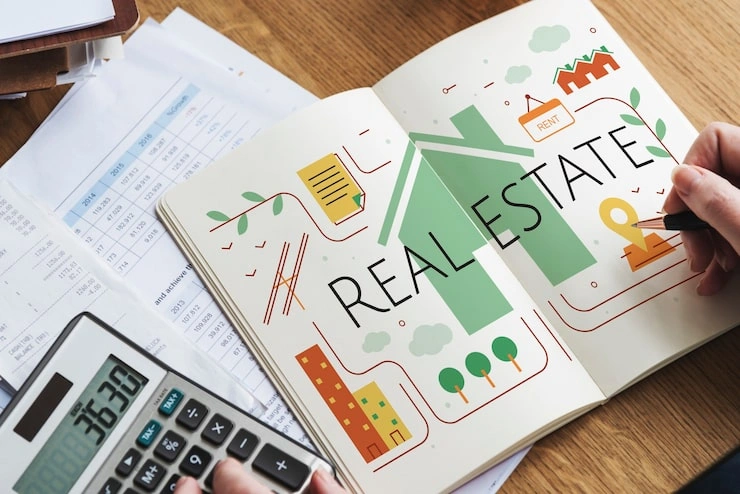
Ever Wonder Why Some People Get Rich While Others Stay Stuck?
A friend of mine, Jamie, once showed me his old baseball card collection. He paid a few bucks for some cards as a kid. Today, one has tripled in value. While that's cool, cards aren't the big secret—it's about appreciating assets. The kind that can shift your whole money game. Ever notice some folks seem to get richer while others just work harder? It's not luck. It's knowing what grows over time and jumping in early. Let's talk about how assets can make your money work almost as hard as you do.
What Are Appreciating Assets, Really?
Quick answer: They're things you own that usually go up in value the longer you hold them. Houses, stocks, even rare sneakers can fit here. The big deal is these assets don’t just sit there; they can help you build real wealth as the years roll by.
- Homes or real estate: Probably the most classic example. Buy at the right time and you could see a serious bump in value a few years later.
- Stock market investments: Individual stocks, index funds, retirement accounts—they’re all popular for a reason. Historically, they tend to trend upward over long stretches.
- Collectibles and art: Not for everyone, but some people have made a killing on stuff like art, rare coins, or fine wine.
- Businesses: Own a piece of a business and watch its value rise if it does well. Think franchise owners, start-up investors, or even a successful side hustle.
Why does this matter? If you put your cash into things that get more valuable, you aren’t stuck only with what you can save from your paycheck. Your money multiplies while you sleep.
Why Do Some Assets Appreciate Faster Than Others?
Ever hear people say, 'Buy land, they're not making any more of it'? That’s a reason real estate goes up: fixed supply and growing demand. But it's not just land. Some assets skyrocket during certain times, like stocks after a big tech leap or even sneakers when a famous athlete wears them.
- Scarcity: The less available, the more people want it—drives up price.
- Popularity swings: When everyone wants something (think gold during economic stress), prices launch up.
- Real-world use: Stocks in companies that solve everyday problems tend to grow faster.
But no, not all appreciating assets are created equal. That's why you see different results for different people—even if they picked from the same list.
What's the Catch With Investing in Appreciating Assets?
Sounds easy: buy stuff that goes up, get rich, right? Not so fast. Every wealth-building plan has a few traps.
- Bad timing: Buy high, sell low—it's the oldest mistake. Happens in real estate and stock markets all the time.
- Not enough research: Jumping into 'hot' assets just because you saw it trending can bite you.
- Lack of patience: Appreciating assets work best over years, not months. Got itchy feet? That's dangerous here.
The first time I bought a stock, I bailed at the first dip—lost money right away. Lesson learned: the real value comes from holding through the swings.
Which Appreciating Assets Should I Focus On First?
If you’re new to this, go for the tried and true before the wild cards. You don’t need to own a Picasso to build wealth. Here’s where most folks start:
- Your home: For many people, this is the biggest asset that increases in value over time without much extra effort.
- Retirement accounts: Think 401(k)s or IRAs with a mix of stocks and bonds. These are built for long-term asset growth.
- Index funds: Spreads your risk across many companies—safer than betting it all on one.
- Small businesses: Not everyone’s cup of tea, but starting an online shop or rental property can be a game changer if you play it smart.
Bonus tip: Automate whatever you can. Set up your paycheck to drop a chunk into an investing account every month. Makes it easier to stay consistent—and that’s how the magic happens.
What Are Good Habits for Growing Your Wealth With Appreciating Assets?
You don’t have to be a finance geek. But you do need a few ground rules:
- Start as early as possible (time does the heavy lifting)
- Don’t panic-sell when prices drop
- Review your stuff every year to rebalance if needed
- Keep learning—money trends change fast now
Remember, perfect timing matters much less than steady effort.
Common Mistakes When Building Wealth With Appreciating Assets
It’s easy to mess up, especially when everyone brags about their wins and hides their losses.
- All eggs in one basket: Don’t put all your money into a single asset—even real estate can have bad years.
- Chasing hype: Meme stocks and viral collectibles can flop just as quickly as they rise.
- Ignoring fees and taxes: Some assets cost a lot to buy, sell, or own. Watch out for hidden costs.
One friend of mine went all in on crypto at its peak—lost most of his investment when the hype fizzled out. Painful lesson, but one you can avoid.
Can You Really Build Generational Wealth With Appreciating Assets?
Short answer: Yes, if you play the long game and avoid flashy traps. Look at families who pass down homes, businesses, or smart investments. Even with ups and downs, the trend is up over 10-20+ years. You’ve got to start, stick to it, and teach the next generation the same basics.
FAQ
- What are the best appreciating assets for beginners?
Start with stuff you understand: your own home, index funds, or retirement accounts. These are steady, not too risky, and don’t need you to be glued to news headlines to work. Once you’re comfortable, you can branch out. - How much money do I need to invest in appreciating assets?
You don’t need a huge stash to get started. Many apps and accounts let you start with $5 or $10. The important part? Doing it every month, not how big you start off. - Can assets always increase in value?
Nope. Markets go up and down. Even the best investments can take a dip. That’s why patience and giving your investments time to bounce back is key. - Are collectibles a smart way to build wealth?
Sometimes. But be super careful. It’s easy to buy the wrong thing. Unless you know a lot about art, cards, or sneakers, stick to assets like stocks or property at the start. - How long should I hold appreciating assets?
The longer, the better. Holding for five years or more usually gives your assets time to grow and smooths out any bumps. Quick flips rarely work the way people hope. - What’s the biggest mistake with appreciating assets?
Panic selling when prices fall. Most people lose money when fear takes over. Stick to your plan and ride it out unless you truly need the cash.
Bottom line? Pick a couple of appreciating assets, start small, and let time do its thing. Your future self will be glad you did.