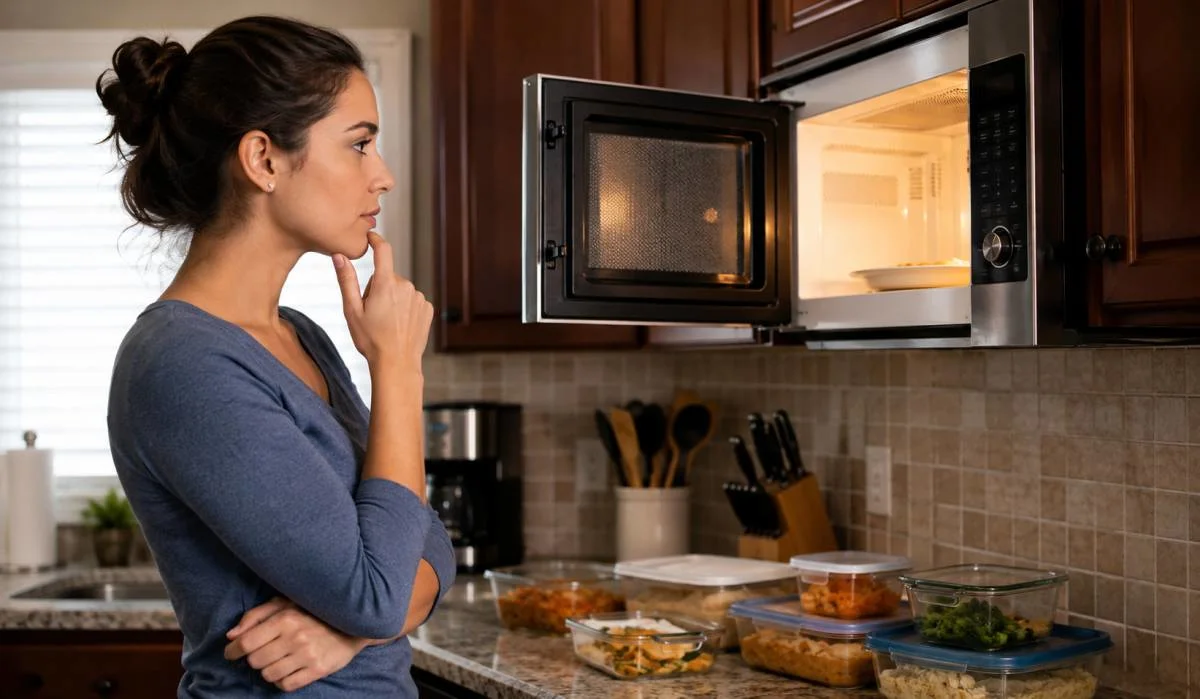
There are guys available with recipes that can help you enjoy cooking. But there is no full story that every recipe has. There are steps in ingredients that might look good on paper. But there are also hidden risks involved in it. You can experience failure or even health issues.
If there are any unclear measurements or missing safety tips. Any small problem can lead you to failure. Knowing about the recipe risk assessment helps the Home cooks and professionals to cook with confidence.
In this article you will see how to read recipes more carefully. You can know about the hidden risk and make smart decisions in the kitchen.
What Is Recipe Risk Assessment?
Before you even start cooking, this recipe risk assessment helps you. In knowing about the possible problems. In this, you can review the ingredients their methods and their timing. And use the right tools to avoid mistakes.
The chance of food weighs accidents or bad results can be reduced. If you analyse the recipe in a better way. It can help you cook smartly.
You may also read :- Charcuterie Actuarial Tables: Calculating Perfect Board Ratios
Why Every Cook Should Assess Recipe Risks?
Prior knowledge is assumed by many of the recipes. They sometimes skip the steps, underestimate the timing and ignore the safety concerns.
From overcoming the food, assessing risks protects you. It even helps you from flavor imbalance and kitchen problems. By preventing the repeated attempts, you can save your time and money.
Ingredient Risks: Quality, Availability, and Substitutions
By the use of ingredients, you can make the base of any recipe. When the quantities are vague or the ingredients are not familiar, the risk gets involved.
So you should always try to check if the ingredients are fresh and available. There are some recipes that neat specialty items without any alternatives. If there are substitutions, then you should know how they could affect the taste and texture. The dish can be ruined by incorrect swaps.
Measurement Mistakes That Affect Results
The beginner may get confused by the loose terms like “a pinch” or “to taste” . Precision is needed for baking recipes.
You can check if measurements follow metric or cup systems. Confirm liquid and dry measurements. Accurate measuring reduces the risk of failed textures and flavors.
Method Risks: Missing or Unclear Instructions
Some recipes jump steps or assume techniques you may not know. Words like “cook until done” lack clarity.
Read the method fully before starting. Identify unclear stages and research techniques if needed. Understanding the process reduces stress while cooking.
Cooking Time and Temperature Risks
Based on the equipment, the portion size and the control on the heat, cooking time differs. Average time is often given by the recipes. They may not match your kitchen set up sometimes.
You should always try to monitor food visually and by their smell. For meat and baked dishes, you can use a thermometer to check. Food born in this can be prevented by having proper temperature control.
Equipment Assumptions in Recipes
Recipes may assume access to certain tools. Missing equipment can change results.
Check if the recipe needs special cookware, mixers, or ovens. Adjust methods if your tools differ. For instance, the pan thickness can be affected by the cooking speed.
The Hidden Food Safety Risks Involved in Recipes
Some recipes overlook safety guidance. Health risks are involved in the cooking of raw egg dishes, partially cooked meats. And even in the improper storage.
You need to have safe internal temperature and good hygiene practices. You need to clean the surface by avoiding cross contamination. And use utensils, in the right way.
Dietary and Allergy Considerations
The allegations are not rightly mentioned in the recipes. Some of the ingredients can be risky like nuts.
You should always check the ingredient list, rightly. If you are cooking for others with dietary restrictions, change the recipe accordingly. Clear labeling prevents serious health issues.
Portion and Serving Size Confusion
Serving sizes vary widely. A recipe’s idea of a portion may not suit your needs.
You should check the total yield and adjust the quantities correctly. The result can lead to waste or shortage if you over or underestimate the parts.
Reading Between the Lines: What Recipes Don’t Say
If the cook is experienced, he knows how to read between the steps. For example, resting time, seasoning adjustments, and texture checks often go unmentioned.
Trust your senses. Taste as you go when safe. The bad and the overcooking can be avoided. If you keep a regular check on the texture and the aroma.
Adapting Recipes In The Kitchen Environment
The result in the kitchen might vary because of the humidity and the brand of the ingredients. Recipes rarely account for these factors.
Make small adjustments based on experience. Keeping notes helps refine future attempts and reduces repeated risks.
Conclusion: Cook Smarter by Reading Beyond the Recipe
Recipe risk assessment is an essential skill for every cook. You can check for the hidden risk and make the right decisions. If you read between the recipe lines carefully.
By carefully evaluating, you can improve your taste, safety and confidence in the kitchen. Cooking looks enjoyable and perfect if you know when to do what. Smarter cooking is there if you follow the recipes smartly.