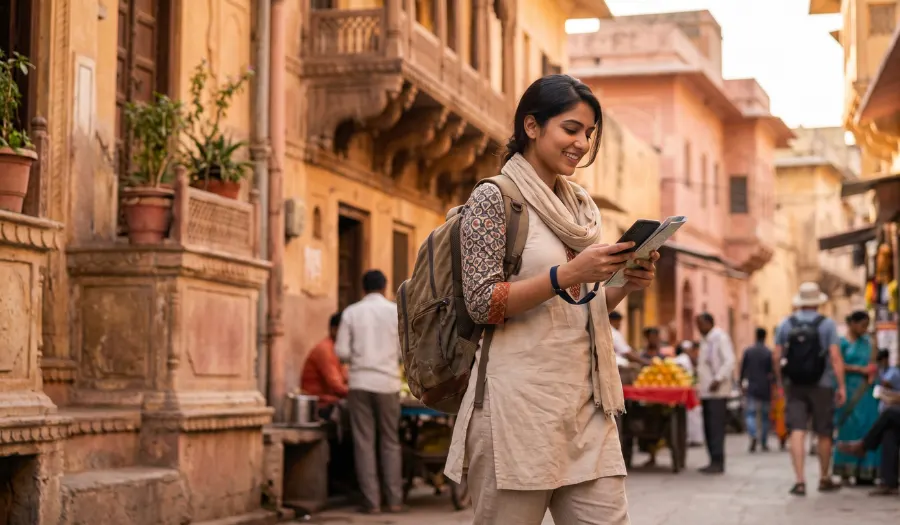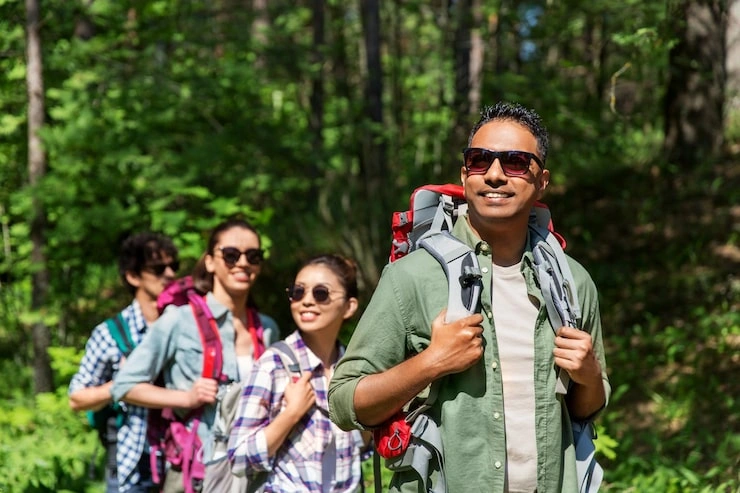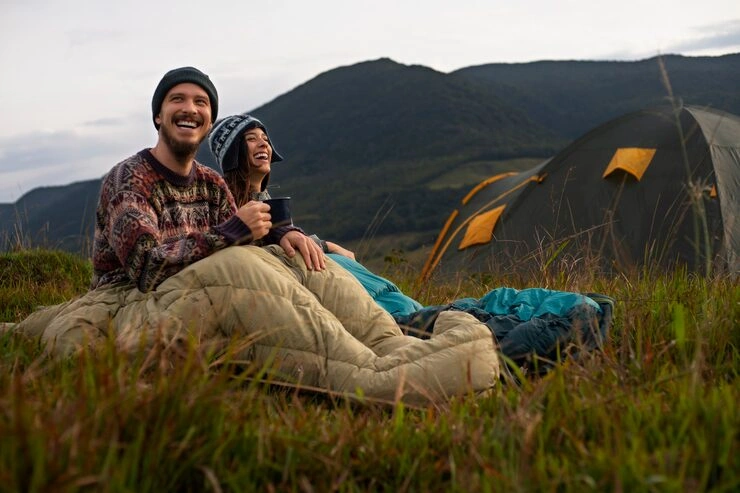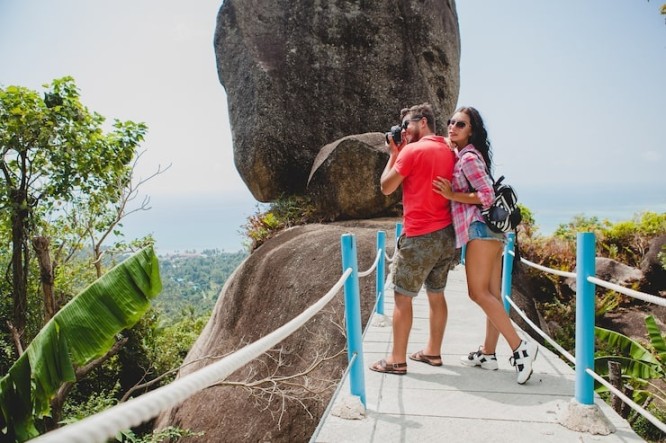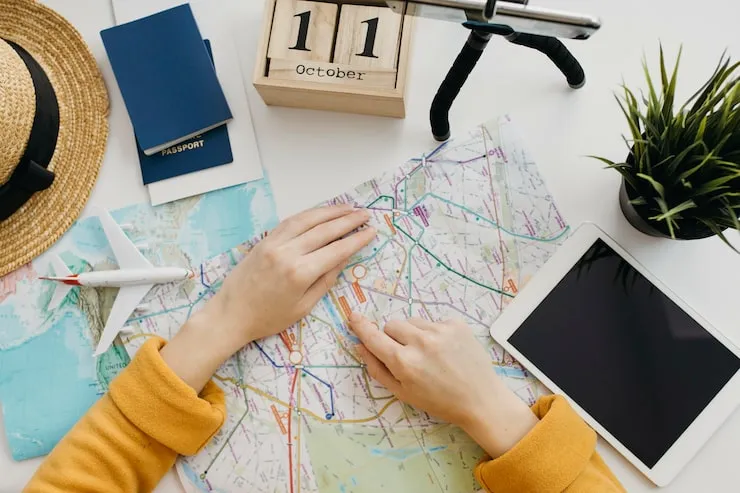
Imagine packing your backpack, putting on your hiking boots, and heading out into the wild—maybe mountains, forests, deserts, or even oceans. Adventure travel is all about exploring exciting places, trying new activities, and creating unforgettable memories. Adventure travel can be as simple as a weekend hike or as thrilling as white-water rafting or mountain climbing. But the key to having a fun and safe adventure is planning. Good planning makes sure you enjoy every moment without getting lost, tired, or unprepared. This guide will show you how to plan adventure travel easily, safely, and in a way that’s fun for everyone—even kids!
1. Why Adventure Travel Is Important
Adventure travel is not just about fun—it has many benefits:
-
Builds Confidence: Trying new activities teaches you to face challenges
-
Promotes Health: Hiking, swimming, and climbing keep you active
-
Encourages Learning: You discover new cultures, wildlife, and environments
-
Creates Memories: Adventures are stories you’ll tell for a lifetime
Kid-Friendly Analogy: Adventure travel is like playing a big, exciting game in the real world where you explore, solve problems, and have fun at the same time.
2. Start With Your Dream Adventure
Before you plan, imagine your dream adventure:
-
Do you want mountains, beaches, forests, or deserts?
-
Are you looking for relaxation, thrill, or a mix of both?
-
Who will join you—family, friends, or a tour group?
Kid Example: If you love animals, your dream adventure might be a safari. If you love water, it could be kayaking in a river or snorkeling in the ocean.
3. Set a Budget
Adventure travel can be expensive, but smart planning keeps it affordable:
-
List all potential costs: transport, accommodation, food, gear, activities
-
Decide how much you can spend on each category
-
Look for deals, discounts, or off-season travel opportunities
Kid Analogy: If you have $20 to spend at a candy store, you decide how much to spend on chocolate, gummies, and lollipops so you get the best candy mix.
4. Choose the Right Destination
Your destination depends on interests, budget, and skill level:
-
Mountains: Hiking, skiing, climbing
-
Beaches: Snorkeling, surfing, diving
-
Forests: Wildlife watching, camping, zip-lining
-
Cities: Cultural exploration, museums, urban adventures
Kid-Friendly Example: If you love dinosaurs, visiting a fossil site or museum is an adventure. If you love water sports, a beach or river is perfect.
5. Research Activities and Attractions
Once you pick a destination, explore activities available:
-
Hiking trails, water sports, wildlife tours, cultural experiences
-
Check reviews online and watch videos
-
Note which activities are kid-friendly or require special skills
Kid Analogy: Planning adventure activities is like making a treasure map. You mark all the exciting spots you want to explore.
6. Plan Your Itinerary
An itinerary is a schedule for your adventure.
-
Decide how many days you’ll spend at each location
-
Include travel time and rest days
-
Balance high-energy activities with relaxing ones
Kid Example: If your adventure is 5 days:
-
Day 1: Travel and settle in
-
Day 2: Hiking
-
Day 3: Canoeing
-
Day 4: Wildlife tour
-
Day 5: Souvenir shopping and return home
7. Pack Smart and Light
Packing is crucial for adventure travel:
-
List essentials: clothes, gear, medications, documents
-
Pack lightweight and multi-purpose items
-
Include safety equipment (helmet, first aid kit, life jacket)
Kid-Friendly Analogy: Imagine packing for a school field trip. You need a backpack with lunch, water, notebook, and jacket—not the entire wardrobe!
8. Safety First
Adventure travel is exciting, but safety is the top priority:
-
Learn about the destination’s risks (wild animals, weather, terrain)
-
Carry a first aid kit
-
Know emergency numbers
-
Travel with a guide if necessary
Kid Example: Adventure is fun, but like in video games, you need a shield, health potions, and a map to stay safe.
9. Choose Accommodation Wisely
Where you stay affects your adventure:
-
Hotels: Comfortable, great for families
-
Hostels: Affordable, social, good for solo travelers
-
Campsites: Immersive, close to nature
-
Cabins or Lodges: Cozy, often in scenic spots
Kid Analogy: Picking accommodation is like choosing a base in a treasure hunt—you need a safe, comfy place to rest before your next adventure.
10. Plan Your Meals
Eating well keeps you energetic:
-
Check if food is available or if you need to pack supplies
-
Consider dietary needs or allergies
-
Try local cuisine for cultural experiences
Kid Example: On a hiking trip, packing sandwiches and water is like keeping extra energy snacks in your backpack for the journey.
11. Research Transportation
Getting to and around your destination matters:
-
Flights, trains, buses, or car rentals
-
Local transport: taxis, shuttles, bikes, or boats
-
Check safety and convenience
Kid-Friendly Analogy: Transportation is like choosing your mode of travel in a board game—pick the fastest and safest path to reach your treasure.
12. Check Weather and Seasons
Weather affects your adventure:
-
Rainy seasons may make hiking or camping difficult
-
Winter trips require warm clothing and gear
-
Summer trips need sun protection and hydration
Kid Example: You wouldn’t plan a snowball fight in summer. Check the weather to have the most fun safely.
13. Prepare for Adventure Gear
Special activities need proper gear:
-
Hiking: boots, backpack, water bottle, trekking poles
-
Water sports: life jacket, snorkel, swimsuit
-
Camping: tent, sleeping bag, flashlight
Kid-Friendly Analogy: Gear is like having the right tools in a video game. You need the correct sword or shield to complete challenges successfully.
14. Travel Insurance
Travel insurance protects against unexpected problems:
-
Medical emergencies
-
Trip cancellations
-
Lost luggage or stolen items
Kid Example: Travel insurance is like having a magic potion in case something goes wrong during your adventure. It keeps you safe.
15. Adventure for Families
Family adventure travel requires extra planning:
-
Pick kid-friendly activities
-
Include rest time between activities
-
Keep food and snacks handy
-
Make sure accommodation is safe and comfortable
Kid Example: Planning a family adventure is like organizing a game where everyone—from toddlers to grandparents—can play and have fun.
16. Solo Adventures
For solo travelers:
-
Research and plan thoroughly
-
Stay in safe areas
-
Keep family or friends updated
-
Join guided tours if necessary
Kid Analogy: Going on a solo adventure is like playing a single-player game—you explore, learn, and have fun independently, but still follow the rules for safety.
17. Adventure Travel on a Budget
Even big adventures can fit small budgets:
-
Travel during off-peak seasons
-
Choose affordable accommodations like hostels or campsites
-
Pack your own meals
-
Look for free activities like hiking, swimming, or exploring parks
Kid-Friendly Example: You don’t need a golden ticket for fun. Even a backyard camping adventure can be thrilling and memorable.
18. Learn About Local Culture
Adventure travel is also about exploring new cultures:
-
Learn basic local language phrases
-
Respect traditions and customs
-
Try local food, music, or festivals
Kid Example: Visiting a local market and trying a new fruit is like opening a treasure chest full of surprises.
19. Keep a Travel Journal
Recording your adventure helps remember every detail:
-
Write daily experiences
-
Draw maps or sketches
-
Take photos and videos
Kid-Friendly Analogy: Your travel journal is like a diary or a scrapbook in a storybook—it keeps your adventure alive forever.
Enjoy the Adventure!
The most important part of adventure travel is having fun:
-
Don’t stress if plans change
-
Be curious and try new things
-
Take time to appreciate nature and experiences
-
Make memories with friends, family, or fellow travelers
Kid Analogy: Adventure is like playing a real-life game—you explore, solve puzzles, face challenges, and celebrate every victory.