Ever wanted to do something totally different with your vacation? Not just snap photos but dive into whole new worlds, meet new people, and come home with stories that don't even sound real? That's the magic of international expedition travel. It isn't lying on a crowded beach; it's about jumping into the unknown, and yeah, sometimes messing up and laughing about it later. This guide spills what nobody tells youthe real secrets that make international trips unforgettable. Think you can't do it? Think again.
What Is International Expedition Travel, Really?
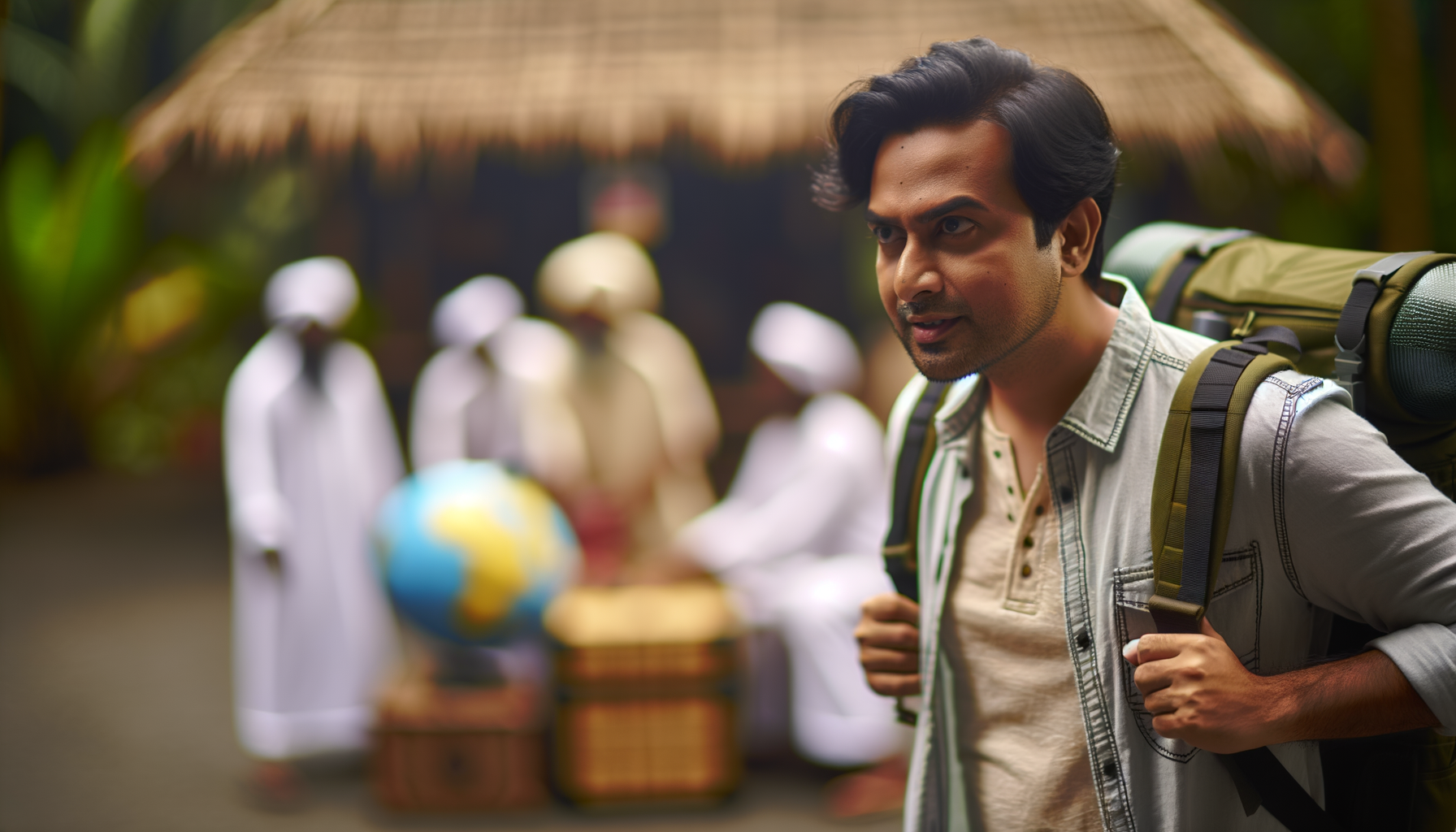
Let's keep it simple. International expedition travel means heading abroad with a purposemaybe volunteering, joining a research team, climbing a mountain, or helping out in a small village. It's not a five-star resort or all-inclusive cruise; you're part of the action. It could look like a global adventure trip with scientists in Peru or teaching kids in rural Thailand through international volunteer programs. The main thing? It's about connectionnot just to new places, but new people (and sometimes a new side of yourself).
Why Would Anyone Choose This Over Regular Travel?
- Real stories instead of fake Instagram shots
- Deep travel abroad experiences, not just surface-level sightseeing
- Learning stuff you wont get from a tour guide
- Making friends from around the world
- That weird pride when you get back and say, Yep, I did that
Yeah, it's harder. But if you want memories that stick, this is how you get them.
How To Choose the Right Expedition (Without Getting Scammed)
So many overseas expeditions sound epicuntil you realize they're run by someone who's never left their country. Heres how to sort the real deals from the fakes:
- Check who runs it: Real organizations have reviews, social media, and actually answer your emails.
- Understand whats included: Is food covered? Will someone pick you up? Or do you just get a map and a pat on the back?
- Look for local impact: Do locals benefit, or is it just about tourist money?
- Read the cancellation policytwice: Stuff happens. Make sure you can get a refund if plans change.
I learned the hard way: a "volunteer trip" that turned into painting the same wall over and over while the organizers sold everyone overpriced snacks. Do your homework before you send money.
What Are the Most Popular Kinds of International Expeditions?
No two trips are the same, but most fall into a few big buckets. Heres whats out there (with good and bad for each):
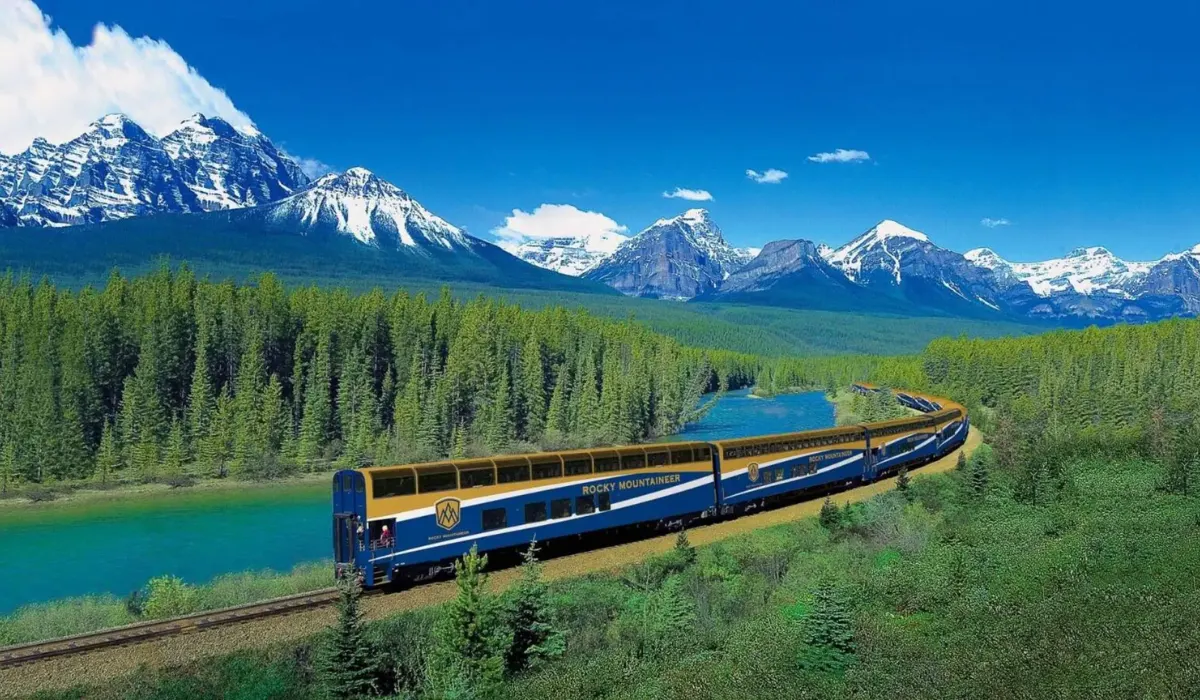
- Adventure expeditions: Mountain trekking, jungle hikes, or diving wild reefs
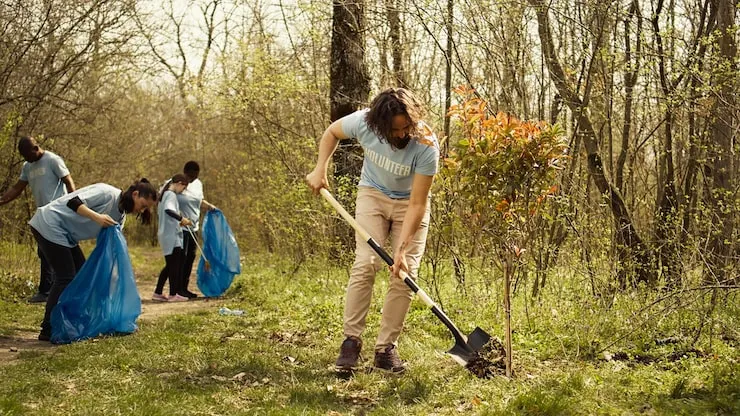
- Volunteer programs: Helping with wildlife, teaching, or building homes
- Cross-cultural exchanges: Living with host families and learning new ways of life
- Field research trips: Studying animals, plants, or even ancient ruins
- Creative expeditions: Photography, art, or music projects far from home
Think about what fits you. Some folks crave adrenaline. Some want purpose. It's all "international expedition travel" if you come home changed.
But What If I Don't Speak the Language?
Worried you'll mess up or offend someone? Relax. Most trips pair you with guides, and for volunteer projects, English usually gets you pretty far. Take it from me: I once tried to order chicken and got three plates of cow tonguestill edible. Don't let fear stop you. A smile does most of the work.
Packing and Prep: What People Forget (And Always Regret)
Heres what you need (and what you definitely dont):
- Sturdy shoes: More valuable than fancy jackets
- Small first-aid kit: Even if you only use the band-aids
- Local snacks: Good for sharing, makes friends fast
- Notepad and pen: Jot down names, places, wild ideas
- Less tech than you think: Internet is spotty, and your phone loves to die at the worst time
Skip the extra clothes. Nobody cares if you repeat outfits. But double-check passport and documentspeople lose them more than you'd think.
Getting Through the Tough Stuff
International expeditions are not always fun. Youll get frustrated, tired, lostor all three at once. There are bugs. People might not get you. Plans change fast. Youre probably going to want to quit at some point. Here's what helps:
- Stay flexibleexpect things to go sideways, and you'll be less stressed
- Pack a small comfort from home (favorite snack or photo)
- Journal honestly about tough days
- Celebrate tiny winslike not getting lost for a whole afternoon
Every trip I've taken got hard at some point. But those parts gave me the best stories once I got back. If it feels tough, you're probably doing it right.
How International Expedition Travel Changes You (For Real)
This isnt a "find yourself" lecture. But if you spend 2 weeks or 2 months on a real expedition, you will grow. Youll pick up survival skills, learn to read people better, and probably fall in love with unexpected things. Maybe youll shift your career plans or finally realize what home means to you. Even if you never climb a mountain again, the lessons stick. And those stories? Worth more than any old souvenir.
FAQs About International Expedition Travel
- Is international expedition travel safe?
Most trips are safe, but like any travel, there are risks. Good providers give safety info and train you before tough activities. Stay aware of your surroundings, listen to guides, and buy travel insurance. Its usually safer than people think, as long as you use common sense. - How much do international expeditions usually cost?
Prices range from a few hundred to several thousand dollars, depending on the destination, length, and whats included. Flights are usually extra. Some programs offer scholarships or let you raise money. Always ask for a cost breakdown so you know exactly what youre paying for. - Can I join an expedition if I have no experience?
Yes! Many global adventure trips and volunteer abroad programs are made for beginners. Youll get training on the ground. Just be honest about your skill level, and pick something not too extreme for your first trip. - What should I do if I get sick or injured abroad?
First, dont panic. Tell your expedition leader or local contact right away. Use your travel insurance if you need medical help. Always carry a small first-aid kit. If you have ongoing health needs, bring enough medicine for your whole trip and a copy of your prescription. - How do I pick a responsible expedition company?
Look for ones with lots of positive reviews, clear info about their impact, and fast replies to your questions. Avoid companies that promise too much or dont explain where your money goes. Responsible companies care about people and the planet, not just profit. - Do I need to speak the local language?
Not usually. Many expeditions provide an English-speaking guide. Learning a few basic phrases helps a lot, and locals appreciate the effort. Translation apps can fill in the gaps. The main thing is being open and respectful.
This is your sign: pick a trip that scares (and excites) you just a little. Get your passport ready. Bring your sense of humor. The best travel stories happen when you say yeseven if it feels uncomfortable at first.