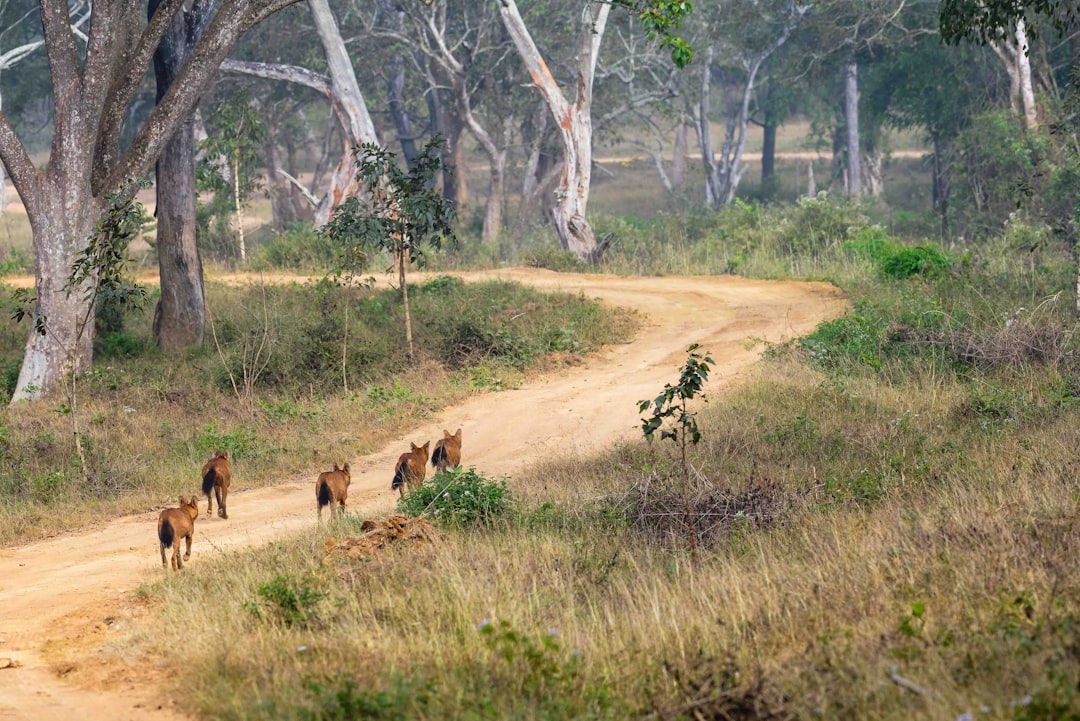
Ever dreamed of seeing a tiger stalk silently through tall grass or heard a wild elephant trumpet so loud you could feel it in your chest? India wildlife experiences are wild in every senseand nothing like scrolling past animal photos online. Travelers come for the mysterious forests, the morning calls of peacocks, and the surprise of spotting a leopard just beyond your safari jeep. Here's what you need to know to go beyond the usual tourist checklist and really get into India's wild side.
Why Do People Crave India Wildlife Experiences?
Spotting wild animals is thrilling, sure. But there's more to it in India. You get stories layered with legends, locals who watch tigers like neighbors, and landscapes you can't find anywhere else. Wildlife tourism in India doesn't just mean seeing animalsits about feeling awe, patience, and sometimes pure luck. People want a break from cities and screens. They want to watch monkeys steal snacks, see a rhino wiggle in the mud, or float past crocodiles on a river. And the thing is, India offers it all: thick jungles, snowy mountains, desert plains, and lush wetlands, each bursting with animal life.
What Makes Indian National Parks Unique?
Most countries have national parks. But Indian national parks are full of surprises. They're busy with sound: birds, frogs, monkeys, insects. They protect creatures you can't spot anywhere elsethink sloth bears and blackbuck antelope. But here's the thing: parks like Ranthambore, Kaziranga, Kanha, and Periyar aren't just nature reserves. Theyre snapshots of India's culture, too. Guides know animal stories passed down for generations. Local villages mean you taste home-cooked food and hear kids giggle about 'their' leopards. And because wildlife in India doesnt respect boundaries, you might see animals right outside the park lines.
How Do Wildlife Safaris in India Work?
You don't need to be an expert. There are two main ways to safari here:
- Jeep safaris: Bumpy, dusty, and fun. Guides spot animals and share their tricks.
- Boat safaris: Calm, less crowded, and perfect for spotting birds, crocs, and elephants by the water.
Morning safaris feel fresh and full of promise. Evenings are golden and dusty, with bigger chances of seeing predators move. And in some parks, walking safaris or even cycling tours are options. Just remember: animals dont always follow your plans. You might ride for hours and only see deer, then suddenlybooman entire herd of wild bison strolls by. That's the thrill (and sometimes frustration) built into every wild outing.
Best Places for Wildlife in India: Where Should You Go?
- Ranthambore National Park (Rajasthan): Best for tiger sightings and age-old ruins you can climb.
- Kaziranga National Park (Assam): Rhinos, wild buffalo, and rivers full of birdlife.
- Kanha & Bandhavgarh (Madhya Pradesh): Jungles where 'The Jungle Book' comes alive. Tigers, surebut also leopards, bright birds, and dancing deer.
- Gir National Park (Gujarat): The only home of wild Asiatic lions left on earth.
- Periyar Wildlife Sanctuary (Kerala): Boat rides to see herds of elephants and otters playing.
- Sundarbans (West Bengal): Mangrove forests packed with crocodiles, river dolphins, and the legendary swamp tigers.
Every park brings its own vibe, whether its the dry, spiky forests in Gujarat or the misty hills in Kerala.
What Animals Can You Expect to See?
Its not just about tigers (though yes, everyone wants that). On any Indian safari, you might see:
- Leopardsusually just a tail if you're lucky
- Elephants trundling in herds
- Sloth bears raiding termite mounds
- Monkeys carrying their babies
- Rhinos grazing beside buffalo
- Peacocks trying to impress peahens
- Migratory birds making a noisy pit stop
- And sometimes, the flash of a crocodiles back in the river
Want more? Night safaris in some places bring out owls, wild cats, and shy animals you never see by day.
How to Get Ready for Your First Safari in India
- Pack light, neutral clothes. No bright reds or blues.
- Bring binocularsthey make small sightings special.
- Be patient. Animal sightings arent guaranteed; treat everything you do see as a win.
- Listen to your guide. They know the forest like their backyard.
- Carry a water bottle and basic snacks (some safaris last hours).
- Follow the rules. Stay in your jeep, dont shout, and never feed wildlife.
I didnt see a tiger my first safari. Instead, I learned to spot birds and felt the silent build-up of excitement every time the jeep stopped. The real fun? Listening to the guide and other travelers swap close-call stories during lunch.
Common Mistakes (And How To Avoid Them)
- Expecting a 'zoo experience'. Wild animals dont show on schedule. Lower your expectations, and each sighting becomes epic.
- Ignoring the small stuff. Butterflies, frogs, and tracks in the mud all tell animal stories.
- Not booking in advance. Indias top parks let in limited touristsbook your spot early, especially during busy seasons.
- Forgetting downtime. Safaris can be exhausting, so leave space in your plans for chill time (and laundryparks get dusty!).
How Does Wildlife Tourism Affect India?
Here's the honest take: wildlife tourism India brings big ups and some downs. It gives locals jobs, helps fund animal protection, and gets the world to care about endangered species. But it can also crowd the parks and put pressure on fragile habitats. Good guides and responsible tourists tip the balance. Supporting eco-lodges, following park rules, and caring more about animals than your selfie go a long way. The best part? When local communities benefit, parks stay protected for future generations.
FAQs About India Wildlife Experiences
-
What is the best time of year for wildlife safaris in India?
The best season is usually from October to April. Wild animals are easier to spot because trees drop their leaves and water is scarce, so animals gather at rivers and ponds. Summer (MarchJune) gets hot but can also mean more tiger and bear sightings because they come out to drink.
-
Can families with kids enjoy Indian national parks?
Yes! Many parks allow kids, and theyll love jeep rides, boat safaris, and spotting monkeys and deer. Some parks even have nature walks and guides just for children. Always check age restrictions for specific parks and pick one with facilities that fit your familys style.
-
Do I need to book my wildlife safari ahead of time?
Definitely. The best places for wildlife in India limit the number of people each day. If you wait, you might miss out or end up with a not-so-great seat. Book your safari, park tickets, and even your hotel early, especially during holiday or festival seasons.
-
What should I do if I dont see a tiger or other big animals?
Thats normal! Big cats hide, and youre not guaranteed a sighting. Focus on enjoying everything elsebirds, smaller animals, even the trees and tracks. Often, the peace and excitement of the jungle is worth it, tiger or not.
-
Is it safe to go on wildlife safaris in India?
Yes, as long as you follow park rules and listen to your guide. Most accidents happen when people ignore safety advice. Stay inside your jeep or boat, keep quiet, and respect animals space. Its rare for things to go wrong if you stay alert and do what your guide says.
-
How can I make sure my wildlife tourism helps conservation?
Choose eco-friendly lodges and guides. Do't litter, follow park rules, and stay on marked routes. Buying local crafts and hiring local people helps, too. When you care about nature and respect the animals and the people who live near them, your visit does good.
Every safari in India is different, and that's why people come back for more. Whether you spot five rhinos in five minutes or just watch a row of birds dive for fish, it's real, it's wild, and it's nothing like you expect. Book your trip, bring your curiosity, and start your own adventure into India's wild heart.