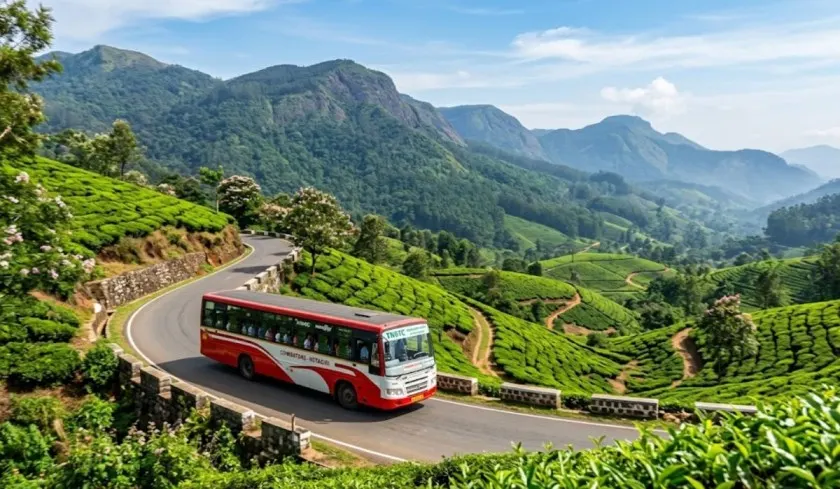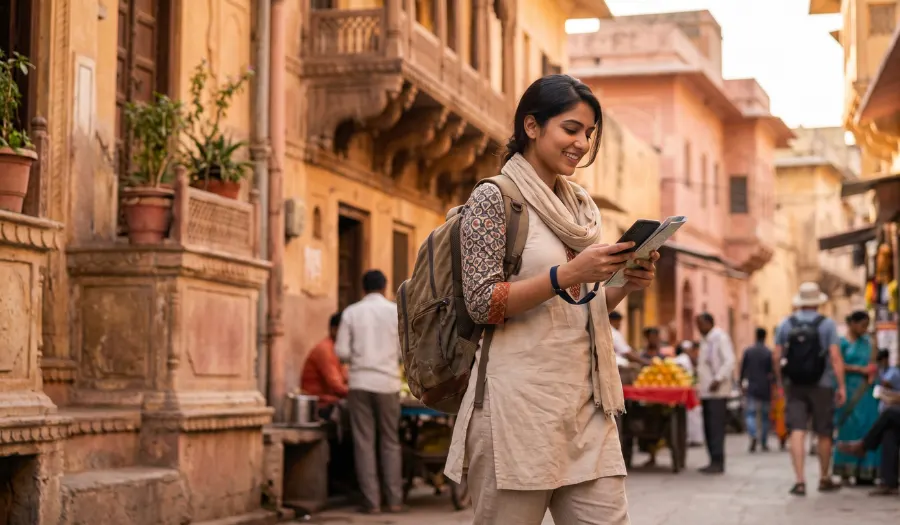
Ever planned a trip around what you want to eat? You're not alone. These days, culinary tourism in Asia is blowing upand not just for foodies. Everyone from backpackers to work-weary parents is hunting down the best eats, and it's a whole different kind of adventure. This isn't about fancy restaurants or celebrity chefs. It's about street noodles at midnight, grandma's recipes, and the wild flavors you won't find at home. Stick with me and I'll show you the real secrets to next-level food travel Asia styleno passport flex needed.
Why Is Everyone Obsessed With Going On A Food Tour In Asia?
Let's get one thing straight: Asian culinary experiences are nothing like your neighborhood take-out. When people talk about culinary tourism in Asia, they mean eating your way through markets in Bangkok, cooking with locals in India, or chasing down the best dumpling stand in Taipei. So why the craze?
- Food here isn't just a mealit's a social thing
- You get flavors, textures, and spices totally new to you
- Each bite tells a story (seriously, ask anyone behind the counter)
- It's cheaper than you thinksome of the most famous dishes cost under $2
If you want to understand a place, skip the big bus tours and follow your nose. That's where the stories are.
How Do You Actually Find Authentic Food in Asia?
Everyone wants the real deal, right? Not the Instagram version. The trick is knowing where to look and not being afraid to get lostliterally.
- Ask hotel staff where they eat, not where they send tourists
- Follow locals, not travel influencers
- Jump into food toursespecially ones run by people born and raised in the city
- Peek into crowded places with zero English on the menu (trust your gut and watch what others order)
- Be brave about street food. If it looks clean and locals line up, you're good
One time in Hanoi, I let a chatty barber pick my lunch spot and it turned out to be the crunchiest, chewiest banh mi I've ever tasted. Sometimes you just have to wing it.
What Foods Should Be on Your Asian Culinary Bucket List?
There's no way to try everythingbut you can hit the essentials. Here are dishes and drinks you shouldn't leave Asia without sampling:
- Ramen in a tiny Tokyo shop (aim for under 10 seats)
- Lorem-packed curries in Penang, Malaysia
- Thai papaya salad from a street cartextra spicy, if you dare
- Dim sum for breakfast in Hong Kong
- Biryani at a family-run spot in Hyderabad
- Iced Vietnamese coffee so strong your eyes pop open
- Grilled satay sticks just off a beach in Bali
If something smells wild or the line is long, that's your cue to give it a go.
How Are Food Tours In Asia Changing?
Let's be real: old-school food tours are out. Travelers want hands-on, not just photo ops. Over the years, food tours Asia have leveled up big time. You'll find these new twists:
- Cooking classes in rural villages, not fancy kitchens
- Trips to family farms to see where your veggies grow
- Market walks where you actually pick and buy the ingredients
- Night tours for those late-night noodle runs (worth losing sleep for)
- Special food-focused festivals you won't see on travel brochures
One night in Seoul, I tagged along with locals for a midnight market feast. I learned more about Korean food in two hours than from any guidebook. That's what you wantreal connections, not rehearsed speeches.
Common Mistakes New Food Travelers Make In Asia
Easy to get caught up in excitement and end up making rookie errors. Here are some classic slip-ups and how to dodge them:
- Only eating foods you've heard ofbe bold with your picks
- Not asking about spice level (some stuff will melt your face off)
- Stressing about eating with your hands or chopstickslocals don't care, just try
- Sticking to tourist spots in major cities and skipping hidden markets
- Not researching local food customs (especially around sharing or tipping)
I once cleared out a whole spicy pepper from my bowl, thinking it was a veggiebad idea. Ask before you eat mysterious things. Saving face (and your taste buds) is no joke.
How Can You Respect Local Food Culture?
Asian food culture is deeply tied to respect and tradition. It's easy to make a wrong move, so here are quick rules to help you fit in:
- Don't point your chopsticks at people (big no-no in Japan and China)
- Try everything offered, at least a biterefusing might seem rude
- Wait for elders or hosts to start eating first
- Ask before snapping a photo of someone's stall or dish
- Thank your host or chef, and really mean it
People remember those who respect their home, especially through food. You'll get more out of every meal by paying attention to small details.
Planning Your First Food Adventure: Where To Start?
Ready to try gastronomy tourism Asia style? Here's how to kick it off:
- Pick one country and dig deep, don't country-hop too fast
- Make a must-eat list, but let locals steer you off course
- Book at least one guided food tourinsider knowledge saves time
- Stay near local markets, not just big tourist districts
- Bring meds if you're sensitivefood adventures can surprise your stomach
No need for a perfect itinerary. Showing up hungry and curious is most important.
Can Vegan Or Gluten-Free Travelers Enjoy Asian Food Tours?
Absolutely, but it helps to plan ahead. Many Asian cuisines have tons of plant-based or rice-based dishes, but not everything is labeled. Learn to say your dietary needs in local languages and ask around. Most street vendors are happy to help, but some sauces or broths may contain hidden ingredients.
- Stick with simple grilled veggies, tofu, or rice dishes
- Download a translation app for allergen questions
- Join specialty tours for vegetarian or gluten-free food
- Pack snacks for transit daysairport options are limited
Don't let a diet stop you from chasing flavor. With flexibility and a little patience, you'll eat well.
How Can You Make Your Food Trip More Memorable?
It's not about ticking dishes off a checklist, but about the stories you collect. Say yes to cooking lessons, chat with stall owners, write down your favorite finds, and snap photos to remember textures and colors. If you get invited to someone's home, always say yes. These moments fill your travel story, not just your stomach.
- Keep a journal of what you eat and who you meet
- Try at least one street food per citybonus points if you don't know the name
- Trade recommendations with fellow travelers
- Send a postcard home describing your best meal
In the end, it's the people and the flavors that stay with you long after you've unpacked.
FAQs: Culinary Tourism In Asia
- What is culinary tourism in Asia?
Culinary tourism in Asia means traveling mainly for the foodtrying local meals, snacks, and drinks in each country. It's about exploring markets, eating at tiny places locals love, and discovering flavors you can't get at home. - How do I find the best street food safely?
Look for busy stalls where locals line up. Check if the cooking area looks clean and avoid spots where food sits out for long. Trust your eyes, and if you see a crowd, chances are the food is both safe and tasty. - Are food tours in Asia expensive?
Most aren't! You can join group tours for less than a nice restaurant meal. Many cities also offer free walking tours (youbuy your own bites). Private or custom tours cost more but often come with extra perks. - Can kids join food travel in Asia?
Yes, and they usually love it! Plenty of tours welcome families and offer milder food options for kids. Let your child try simple things first, then branch out if they're curious. - What should I do if I have a food allergy?
Write your allergy in the local language or use an app to show vendors. Always double-check ingredients, especially in sauces. Some food tours offer allergy-safe routesjust ask when you book. - How do I avoid getting sick from unfamiliar foods?
Eat where it's crowded and the food is cooked fresh. Peel fruits yourself and avoid raw seafood from unknown spots. Carry hand sanitizer and take it slow if you're new to spicy foods.