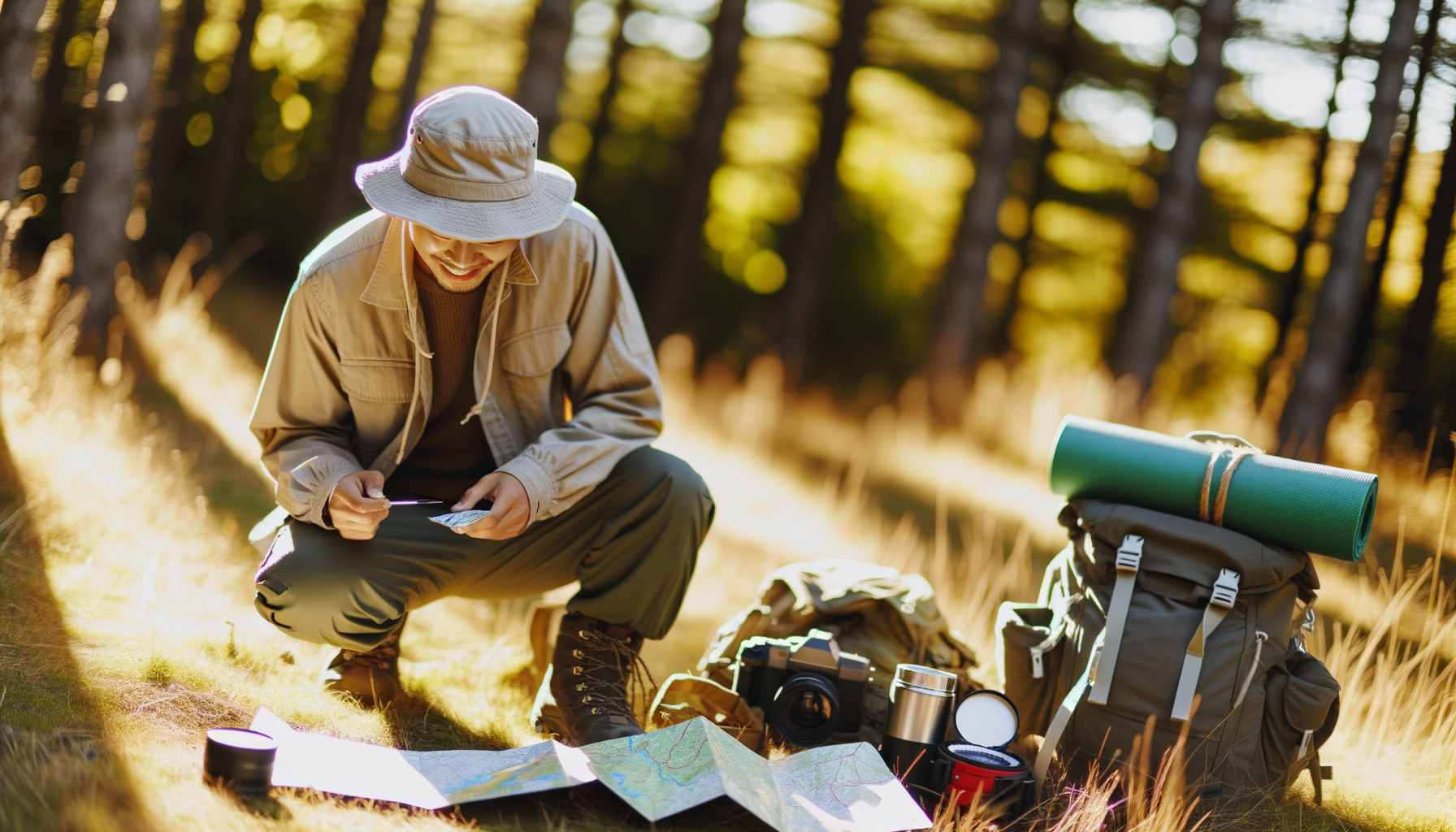
You want to head into the wild and actually enjoy itnot spend your whole trip second-guessing what you forgot at home. Wilderness adventure planning sounds intense, but it's just about making sure all the important things are covered before you shut your front door and hit the trail. Miss something big and the best-case scenario is you're uncomfortable. Worst case? You're putting yourself or your group in danger. Let's break down how to get ready for your next outdoor trip without feeling lost.
How do you figure out where to go and when?
Picking your destination is the real first step in wilderness adventure planning. It's tempting to scroll Instagram and pick the coolest-looking spot, but that's risky if you don't know the area or what conditions to expect. Check the weather for the region, look up recent trail reports, and consider your group's skill level. Ask yourself: does this look fun but also safe, given my experience?
Why does it matter? Even a mild hike can turn into misery if it's a 90-degree heatwave or the trails are flooded. Planning for a place and time that fits your group's abilities can keep the trip fun and drama-free.
- Check if permits are needed (some parks require them months ahead!)
- Read reviews from recent visitors for up-to-date info
- Consider daylight hours and temps for your trip season
Takeaway: The best adventure is one you actually want to finish.
Whats essential for wilderness trip preparation?
No one wants to lug a 50-pound pack full of stuff 'just in case.' Smart wilderness trip preparation means bringing only what you needbut not skimping on safety. Think of it like packing for a sleepover that happens to be in bear country (and might rain). Start with the basics:
- Shelter (tent or tarp, sleeping bag, pad)
- Food & water (bring more snacks than you think, water filter or tablets for backup)
- Navigation (map, compass, or GPSdont rely on your phone alone)
- Clothing (layers for unexpected cold or wet, socks matter more than you think)
- First-aid kit (know what's in it and how to use it)
- Fire-Starting (matches in a waterproof case or a lighter)
Missing one of these? Your adventure could get a lot less fun, fast. Make a checklist and lay your gear out ahead of time so packing doesnt get rushed or random.
How do you stay safe while actually out there?
Even with perfect prep, nature throws curveballsstorms, wrong turns, twisted ankles. Good outdoor adventure tips always start with telling someone your plan: where youre going, when youll be home, whos with you. Second, check in with yourself and your crew as you go. Tired? Hungry? Its better to take a break than push and end up making mistakes.
- Know your limits and pay attention to weather changes
- If something feels offtrust your gut
- Have a backup plan (alternate routes, extra days food if stuck)
- Dont eat wild berries/mushrooms unless you 100% know what they are
This part isnt about being paranoidits about making sure you enjoy yourself and come back with good stories.
Whats the real story with wilderness survival planning?
You dont need to be Bear Grylls, but basic wilderness survival planning is non-negotiable. Learn a couple of knots, know how to use your first aid kit, and make fire if you have to. Water is top priority: always know where your next fill-up is coming from, or how to make it safe. After that, shelter (even just a poncho thrown over a stick can make a difference in a sudden storm).
- Always carry a whistleif you get lost, three blasts mean help
- Practice making fire at home instead of discovering you cant when it matters
- Stay where you are if lost (moving usually makes it worse)
Most outdoor mishaps happen to people who think "itll never happen to me." Don't take that chance.
Common mistakes people makeand how to avoid them
No adventure planning guide would be complete without a heads-up on what trips people up (literally and figuratively). The biggest mistakes:
- Packing too much just in case or too little to save weight
- Ignoring weather warnings, or thinking phone signal will always be there
- Not checking gear before leaving (flashlights with dead batteries, leaky tents)
- Underestimating trail timerushing, hiking after dark, or missing key turns
- Not bringing enough waterseriously, this one ruins trips fast
Easy fix? Prep, check your stuff, and trust your plannot luck.
How do you level up: real expert wilderness advice
What separates a fun trip from a bad one? Experience. The first time I tried winter camping, I woke up with a frozen water bottle and boots that wouldnt fit because they iced up. Lesson learned: keep key items in the sleeping bag with you. Experts dont do everything perfectly the first time, but they learn fast and plan smarter next time.
- Learn from your mistakes (and other peoplesread trip reports!)
- Tweak your gear list after every trip
- Never skip eating and hydrating, even if youre not hungry/thirsty yet
- Pack a surprise comfort: chocolate bar, clean socks, your favorite drink for campfire time
If adventure was about checking a box, wed all stay home. The weird stuff, the tough moments, and the little winsthats what makes it worth doing.
FAQs about Wilderness Adventure Planning
- What is the first step in wilderness trip preparation?
Start with your goal and whos coming. Are you looking for a challenging hike, a peaceful campout, or something wild? Knowing that helps decide where to go and what to bring. Once you have the 'why', the rest of the planning is way easier. - How much gear do I actually need for an outdoor adventure?
Pack the basics: shelter, food, water, navigation, clothing, first aid, and fire. Dont go overboard. You should be able to carry your gear comfortably. Too much stuff weighs you down and makes everything less fun. Stick to what helps, not what you might use. - How do I know if Im prepared for a wilderness survival situation?
If you know how to get clean water, make basic shelter, start a fire, and signal for help, youre ahead of most people. Practice these at home or with friends so you feel confident. Its not about having fancy gadgetsits what you do with what you have. - What are common mistakes first-timers make in adventure planning?
Packing the wrong clothes (too little or no rain gear), not checking the weather, and forgetting extra food or water. Also, not telling someone where youre going. Keep it simple: test your gear, check your list, and dont wing it. - How do I deal if the weather totally changes while Im outside?
Stay calm. Put on extra layers, find shelter, and keep yourself dry. If it gets dangerous, look for a spot out of wind and rain to sit tight until things clear up. Check the forecast before you leave, but always plan for surprise changes. - Can you plan a safe outdoor adventure if you have no experience?
Yes! Start with short trips, stick to marked trails, and go with someone whos done it before. Doing research and having a honest look at your limits makes it safe and fun, even if its your first time.
Great trips arent about being perfecttheyre about planning just enough to give yourself room for a little wild adventure. Start small, keep it simple, and get outside. Youll learn more (and have better stories) with every trip.