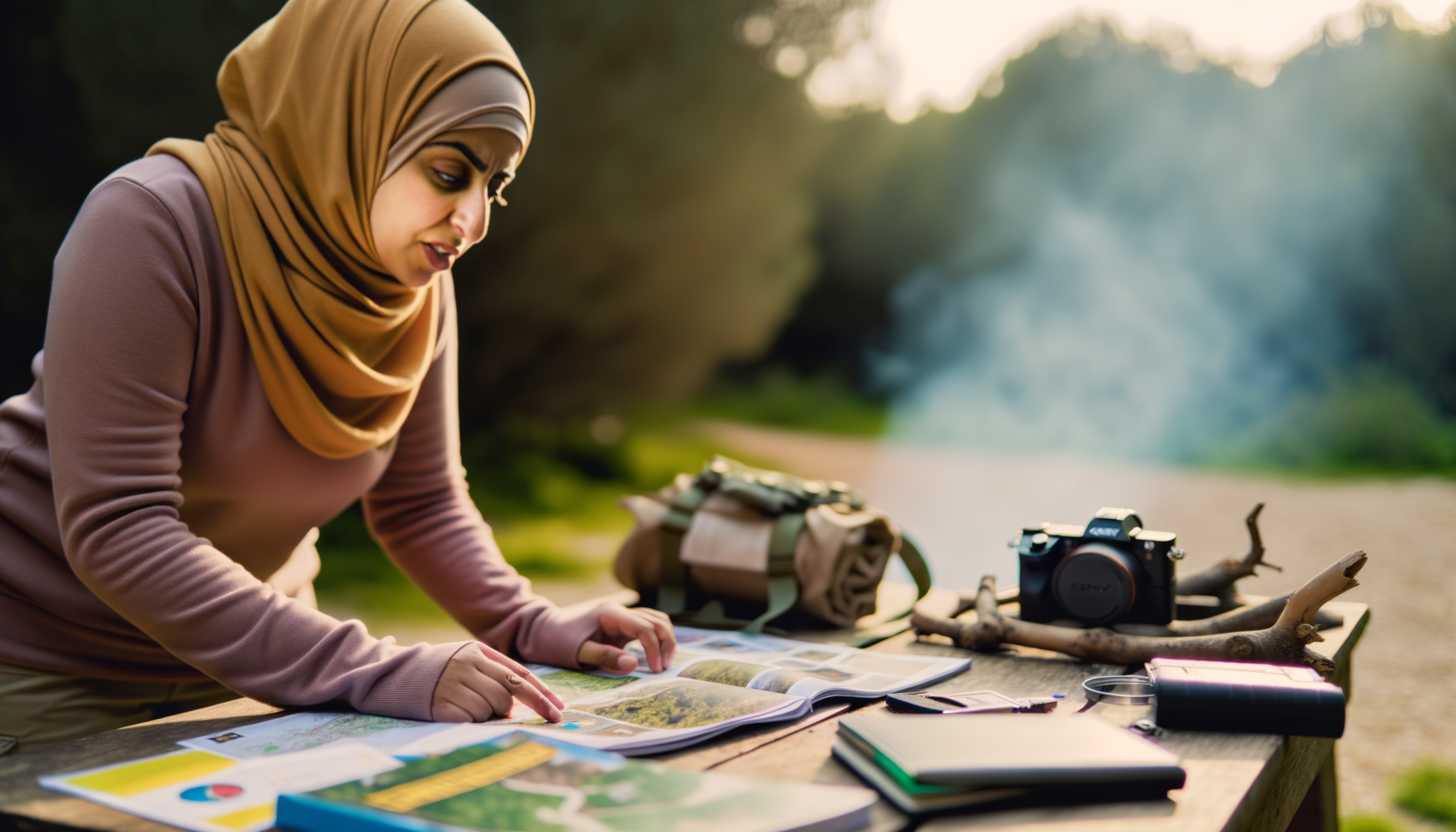
Why do some folks love planning wilderness adventures while others dread it? Maybe you picture hours of lists, piles of mismatched gear, and a last-minute rush to grab snacks for the road. Here's the thingit doesn't have to be that way. Wilderness adventure planning can be simple if you break it down. You'll finish this article ready to prep like a pro, skip rookie mistakes, and actually enjoy the ride (and the campfire).
What Does Wilderness Adventure Planning Really Mean?
It's more than shoving snacks and a sleeping bag into the car. Real planning means thinking about where you're going, what you want to do, and what could possibly go wrongthen getting ready for all of it. This might sound like a lot, but it's really about asking good questions ahead of time. Are you hiking, canoeing, or just chilling at a remote site? How far from town are you? What's the weather like? The more you know, the less you'll forgetand the smoother your trip will go.
How to Nail Outdoor Trip Preparation Before You Even Leave Home
Before you snap your first nature selfie, spend an hour on these basics:
- Pick your location: Is it family-friendly? Too remote for comfort? Check accessibility and rules.
- Look at the weather forecast: Don't get caught in surprise storms or heat waves.
- Share your plans: Let someone know where you'll be, even if it's not hardcore survival stuff.
- Get permits or passes: Some parks and campsites need advance bookingdon't risk being turned away.
- Plan how you'll get there: GPS isn't always enough. Print a map or write down key directions.
I learned the hard way that skipping a simple step (like telling a friend where I was heading) can turn into a rescue drama. Keep this prep tight, and you'll dodge most headaches.
What Should Be on a Wilderness Packing List?
This is where the stress startsor ends if you get it right. Your wilderness packing list should hit three things: safety, comfort, and food. Make it once, update it for each trip, and you won't forget sunscreen or your favorite socks again.
- Basics for Every Trip:
- Water (plan for 2 liters per adult, per day, plus extra)
- Food for every meal, plus snacks
- Map and compass (don't rely on your phone!)
- First aid kit, with stuff you know how to use
- Knife or multitool
- Fire starter (matches, lighter, and backup)
- Warm layers, even in summerthink hat and jacket
- Rain gear and extra socks
- Flashlight or headlamp with spare batteries
- Shelter: Tent, tarp, or bivy bag
- Sun protection: Hat, sunscreen, sunglasses
- Extra for Adventure (add as needed):
- Sleeping bag fit for the weather
- Campsite cooking gear (stove, fuel, pots, utensils)
- Bug spray or head net
- Water filter or purification tablets
- Duct tape for repairs (you'll thank yourself)
Try packing a day early. That gives you one night to remember anything you missed. It also lowers the last-minute panic.
What Survival Skills Guide Do You Actually Need?
You don't need to be Bear Grylls, but a few simple survival skills can save a bad situation. Here's the shortlist that covers most emergencies:
- Building a fire with just matches and dry stuff
- Finding safe drinking water and making it safer
- Basic first aid skillsstopping a cut from bleeding, treating blisters, and sprains
- Reading a map without GPS
- Signaling for help (mirror, whistle, extra bright shirt)
The first time I tried to build a fire in the rain, every match fizzled out. Now I always pack cotton balls soaked in petroleum jellyeasy fire every time. Practice these at home before you go, not at midnight in the woods.
How Do You Make a Camping Itinerary Planning Actually Fun?
Some folks want a minute-by-minute plan. Others just need a rough idea. No matter which camp youre in, a loose itinerary helps everyone get more out of the trip.
- Start with the basics: What day do you leave, and when do you return?
- Plug in key activities: Any must-try hikes, fishing spots, or swimming holes? Set aside time.
- Build in downtime: Not every second should be packed. Campfires, naps, or slow mornings matter too.
- Add meal plans: Who's in charge of breakfast or dinner? Planning food avoids hangry fights.
The best trips Ive taken combined loose plans with room for surpriseslike staying an extra night because the swimming hole was perfect. If your group likes last-minute changes, make sure everyone knows the plan, but keep it flexible.
What Can Go Wrong and How Do You Prepare for It?
No one plans to get lost or burned out. But stuff happens. The trick is to expect a few bumps and prep for the simple fixes:
- Weather turns bad: Have rain gear, shelter, and dry socks ready.
- Blisters or injuries: Carry good bandages and re-tape blisters right away.
- Running out of food or water: Always bring backup, and know where to get more if needed.
- Getting lost: Never leave without a map and a backup plan. Don't rely on a phone signal.
I've learned more from stuff going wrong than from perfect trips. Every mistake is a gear upgrade or a new don't forget this on my list. The main takeaway? Do the basics well, and little surprises won't ruin your adventure.
Recap: Make Your Next Outdoor Adventure Easier
Wilderness adventure planning isnt just for experts. With a good plan, the right gear, and a few survival basics, you can skip the stress and focus on the fun partslike starry skies and burnt marshmallows. Choose your spot, pack smart, and leave room for the unexpected. The wilds waiting, and its a whole lot friendlier with a bit of prep.
FAQs: Simple Answers to Wilderness Adventure Planning Questions
- Whats the easiest way to start wilderness adventure planning if Ive never camped before?
Start simple: pick a nearby campground, borrow gear if you can, and make a short packing list. Spend one night outdoors with friends or family to see what you need and what you love. You'll learn a ton on your first try. Each trip gets easier. - How do I know if I packed too much or too little?
If your bag is crushing your shoulders or you can't fit it in your car, you probably overpacked. On the flip side, if you end up cold, hungry, or missing basics like a flashlight, you've gone too light. Always do a quick gear checkessentials first, luxuries last. - How can I keep my food safe from animals during a trip?
Store everything with a scent (food, toothpaste, even gum) in airtight bags or containers. Hang your bag from a tree branch if you can, or use animal-proof storage bins if the site provides them. Never keep food in your tentits not worth the midnight surprise. - Whats the best way to plan a camping itinerary for a mixed group of kids and adults?
Mix up activitieslet kids help plan some games or hikes, and build in group meals and downtime for the adults. Have a simple schedule everyone can see. Keep plans loose and be ready to adjust based on how people feel each day. Happy campers are flexible campers. - Should I always share my route when I go on a solo wilderness trip?
Yes! Always tell at least one person where you're going and when you'll be back. Leave a note or text before you go. If something goes wrong, help can find you faster. Its the easiest and smartest adventure tipdon't skip it.