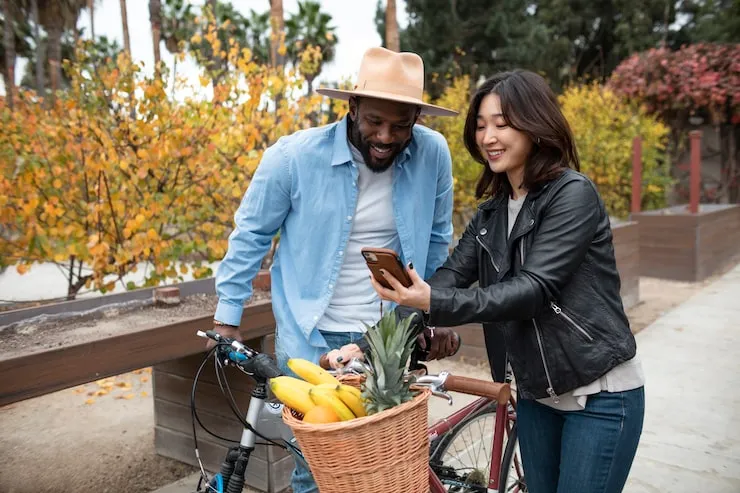
Not too long ago, most Americans planned trips around landmarks. See the monument. Take the photo. Move on. Who was important, sure but mostly as fuel. Something quick between sightseeing stops or a reservation is made because it was famous. That was changing. Quietly, but clearly, US travellers are seeking sustainable food experience more than ever before.
Not because it is trending , not because it sounds good on social media, but because something shifted how people want to travel and how they want to feel while doing it. This is not about being perfect or guilt free. It is about the connection. About slowing down.. About eating food that actually belongs to the place you are visiting.
It starts with the travel fatigue
Many US travellers are tired. Not physically – emotionally. Tired of rest, crowd attractions. Tired of meals that tasted the same, whether you are in Florida or France. After years of fast travel, fast food, fast content and triple craving something slower. Something real. Sustainable food experiences offer that without demanding a lifestyle over all. You do not have to change who you are. You just eat differently for a few days and suddenly travel feels personal again.
You may also read :- Why Solo Travelers Are Choosing Culinary Vacations Over Regular Trips
Food is the easiest way to feel local
You can stay at a global hotel chain anywhere in the world and barely notice the difference. Same pillows. Same breakfast buffet. Same background music. Food does not work that way. When US travellers eat locally sourced, seasonal food, they are tasting what grows there, what people cook at the home and what the land supports naturally.
That creates instant connection. A bowl of soup from vegetables grown 10 miles away, tells you more about the place than a tour bus ever will. That is a big reason. Sustainable food experiences are becoming the entry point for the deeper travel.
People want fewer experience, but better once
There has been a noticeable shift is how Americans plant trips. Instant of 10 activities in a one day, eating wherever is closest and rushing from the place to place. Many travels now prefer fever, stop, slower mornings, and the one memorable meal, instant of three unforgettable ones.
Sustainable food experiences fit perfectly into the mindset. They are not about the Quantity. They are about quality. A farm lunch. A local cooking classes. A market visit with the chef. A dinner where you actually hear the story behind the dish. Those moments stay with people.
Help plays a bigger role, then people admit
There is the honest part that help matters more now. US travellers are paying attention to how food makes them feel. Not just during the trip, but after. Heavy, processed me every day on the vacation leaves people exhausted. Bloated.
Sluggish. Sustainable food experience usually means – fresh ingredients, simple, cooking, less processing, and the fewer additives. People do not necessarily say I want sustainable food. They say I feel good while travelling. The result is the same.
Trust in the big brand has dropped
Other quite shift is trusted. Man travels no longer automatically trust on flashy restaurant, branding, influencer-or the must visit list. They trust – farmers, small producers, family, run kitchens, and the places where staff can answer basic question about the food. Sustainable food experiences feel transparent.
Nothing is hidden. There is no mystery gradient shift from the cross of the word. For US travellers who have become more spectacle that honesty matters.
Change how people think about food
This part cannot be ignored. The pandemic made food personal again. People cooked at the home. Learn where ingredients come from. Paid attention to the supply chain for the first time in their lives. That awareness did not disappear when travel I re assumed.
Now, when Americans travel many notice that how food is sourced, how workers are treated and how waste is handled. Sustainable food experiences aligning with the well loose people develop developed during that time – even even if they do not consciously label it in that way.
It feels good to support the local communities
This one is simple. US travellers increasingly want their money to matter. When you eat at a restaurant that source locally, your spending supports to farmers, fisherman, Bakers and a small producers instead of disappearing into the corporate system, your money stays in the community.
That creates a quite sense of satisfaction. You enjoy the meal and feel like you contributed possible positivity without making a big deal about it.
Social media rewarded, real experience
Instagram and TikTok did not kill authenticity. They reshaped it. Polished restaurant photos is still exist, but what people really engage with now is messy, farm tables, cooking over fire, chef, explaining dishes and food being prepared, not just played it. Sustainable food experiences look real on the camera.
They do not need filters. They make them appealing to travels who want memories and meaningful content. Even of camera, those moments feels more honest.
Younger travellers are leading the shift
Zenzi travellers from the US are specially drawn to the sustainable food experience, but not in Apache way. They are not asking for the perfection. They are asking for the alignment. They want to travel experience that match their values, feel responsible without being boring and tell her story. A meal connected to a land, culture, and the people does exactly that.
What is the stable food experience? Actually, look like?
From the US travel, this actually means that farm to table meals, market towards with locals, cooking classes using regional ingredients, restaurant with the seasonal menus and the traditional preserving old method. It is not about the rules. It is about intention
Why these trends is not going away?
This is not a face. Was travelling experience for that feels meaningful, it is hard to go back to the generic dining. Sustainable food experiences that deepen culture, understanding, improve travellers, satisfaction, reduce burn out and create a stronger memories. That is why more US travellers actively look for them – even if they do not use the word sustainable when searching.
Conclusion
US travellers are seeking sustainable food experience is not because they make travel field human again. Not rest. Not stage. Not disconnected. Just real food in real place made by people who care. And once you have had that kind of the male – one that tells a story, reflects the land and leaves you feeling good – you start looking for it everywhere you go.
Frequently asked question
The sustainable food experiences, cost more?
Sometimes. Often they would not. Many local meals are affordable.
Are they only for food focus, travellers?
No. Even casual travellers, enjoy them.
Do I need a plan for in advance?
Not always. In many are discovered originally.
Is it about being environmentally perfect?
No. It is about being more mindful, not flawless.
Will this replaced traditional dining?
Probably not. But it is becoming a preferred option.