The most serious responsibility for a restaurant is to maintain the food safety. It is important even for the cloud kitchens, food producers and retailers. The product can be spoiled by a single lapse in temperature control. It can cause health risks and damage the reputation of the brand. Having safe ways can help you manage losses. The strongest defence is prevention. Food safety insurance is proper temperature and storage management.
In this article, you will see how the level of food can be controlled. What storage practices can be taken to reduce the risk. How can the business be protected from food safety failures?
Understanding Food Safety Risks
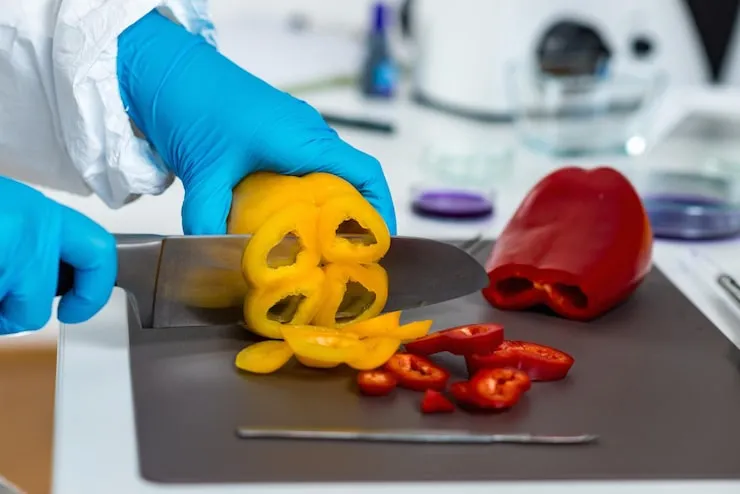
When the food becomes unfit to eat. Or when it becomes bad, spoiled and unsafe for consumption. The food safety risks arise at that time. The bacteria grows rapidly due to improper storage temperature. Cross contamination can be the result of poor handling of the food. Many diseases can be caused by these risks. Some of them can lead to foodborne illnesses. Even to regular penalties and legal claims. Regular checking is needed for managing them. Even strong operational practices are needed.
Read Also: Top Travel Destinations Promoting Sustainable Food Practices
Why Control Matters?
Food quality and safety is affected by the temperature directly. Between the unsafe temperature ranges many harmful bacteria thrive. If the food remains in this zone. It becomes unfit for consuming.
The bacterial growth slows in the cold storage. The pathogens are killed at a proper cooking level. The food stays safe at every stage is usually ensured by maintaining the correct temperature from storage to service.
Common Mistakes
Due to simple temperature errors there are many problems faced by the food businesses. Overloading refrigerators, frequent door opening, and faulty cooling equipment are some of them. Level fluctuations are caused by power outages and poor maintenance. The chances of food spoilage and smell is reduced. If the identifying and addressing of the issue is done.
Storage Practices as a Risk Management Tool
Storing the food is not just about storing it in a space. It is about the institution and hygiene. Spoiling of food can be avoided if proper storage is done.
You can separate raw and cooked foods. Use containers that are sealed and label the items rightly. Try the first in first out practices. It helps in reducing the waste and ensures freshness in return.
Cold Chain Management and Its Importance
Maintaining safe temperature from sourcing the product to final delivery is what cold chain is known as. Any kind of break in the cold chain can lead to exposing the food to risk. Consistency can be maintained by the insulated transport, refrigerated vehicles. And even by monitoring the level. Spoilage is reduced by a strong cold chain.
Monitoring and Record Keeping
The safety system grows by the regular monitoring of the food. The proof of compliance is provided by the temperature logs. It even helps in detecting issues in the early stage. Real time alerts and data tracking is shown by digital monitoring tools. The support inspections, audits and insurance claims can be easily seen in the tools.
Maintaining Equipment & Bringing Them Together
The food safety incidents are the result of equipment failure. Regular checks are needed by refrigerators, freezers, and thermometers require regular checks. The right temperature is ensured by checking at the right time. Reliability is improved by the calibrated equipment. It saves the food from unnoticed risks.
Employee Training and Awareness
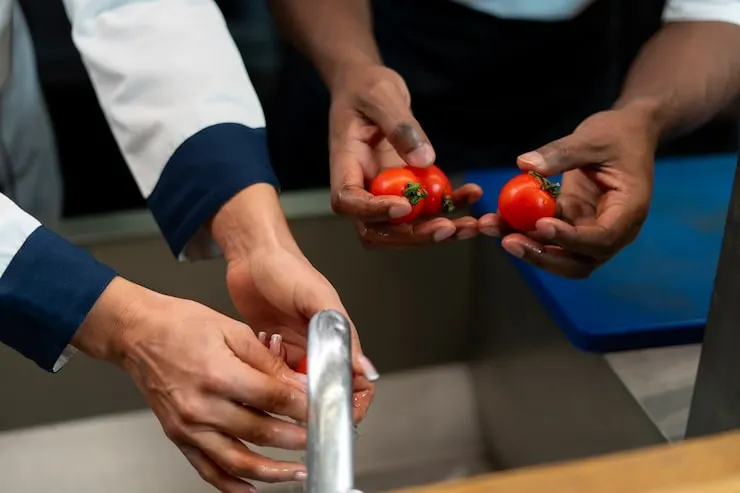
A big role is played by the behaviour of the staff in food safety. If they do improper handling or delay in storing the food it can undo the safety measures. You need to train the employees with the rules on storage. Hygiene practices and temperature standards. Human error will not be seen and this can be taken care of by making people aware. It even strengthens Food Safety Insurance.
Read: Late-Night Restaurants Near You: Where to Eat After 10 PM
Coming Of Food Safety Risk Management
Accuracy and efficiency is improved by the technology. The manual errors can be reduced or prevented. By the right usage of smart sensors, automated alerts and cloud based logs. Early warnings are provided by these tools as a sign. They support continuous improvement. The food safety is growing by the availability of the tools. They act as a proactive strategy.
Conclusion: Prevention Is the Best Insurance
The base of food safety risk management is controlling the temperature and following the right storage practices. Protection and prevention is given by many places. This can help you avoid the upcoming future losses.
You can make investments in storing the food properly. Monitoring and training the workers. You can even invest in maintaining the base. The customers are protected by the food business. They follow the rules and abide by them. It helps the operations to grow. Prevention acts as the best insurance in food safety.