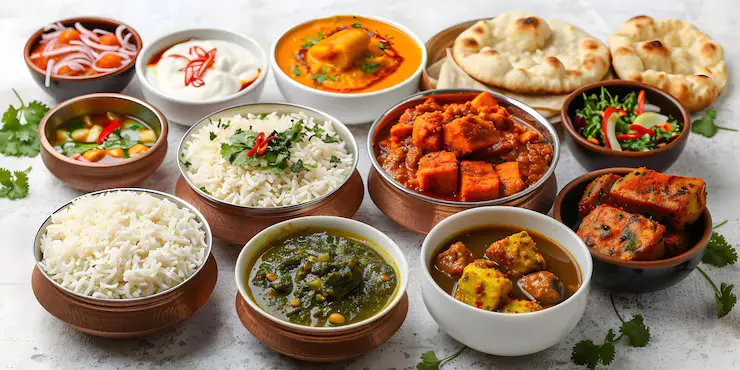
India eats in a thousand different ways, yet some dishes slip past state borders and language lines to land on almost every table. The dishes maintain their original identity from their native region, but they serve as common food items that people share during weddings and order as midnight snacks and prepare at home to find comfort.
The recipes demonstrate how food serves as both regional pride and a national unifying element. Scroll down: Food isn’t just a matter of regional pride; it’s a thread that runs across the nation.
Biryani: The feast everyone claims
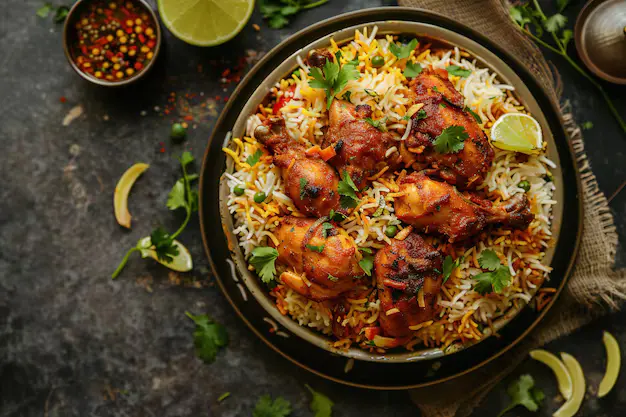
Ten people who answer your question about the best biryani origin will create a dispute between their three choices because each person believes their city has the authentic biryani. The exceptional quality of the dish exists because people all over the world consume it.
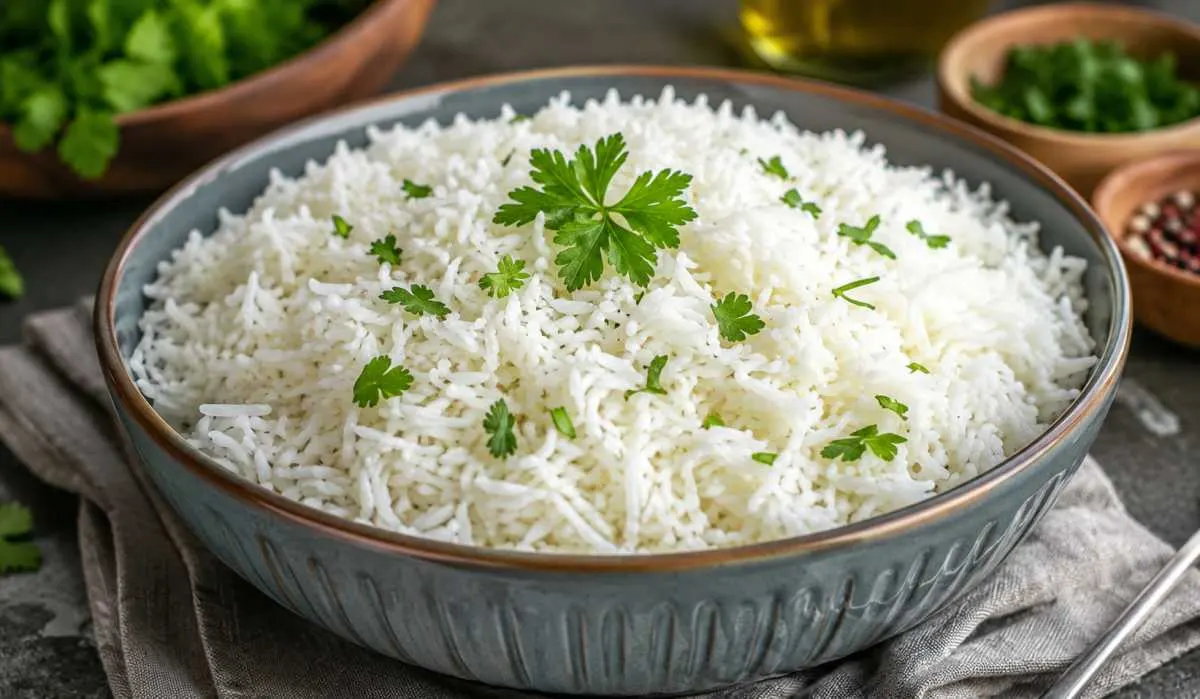
The dish consists of one pot, which contains rice combined with meat or vegetables that receive seasoning from spices. The dish appears on wedding banquet tables and inside tiffins used by travelers at train stations and through delivery applications during midnight hours. Biryani represents more than food because it combines theatrical performance with personal history and festive observance into a single experience.
Vada Pav: A Spicy Street-Side Delight
Considered Mumbai’s "OG burger," this humble street food consists of a spicy potato fritter (vada) inside a bread roll (pav). It originated as a quick, affordable meal for mill workers and has become a beloved snack that transcends economic and social barriers, representing the bustling street culture of India
You may also read :- 10 Healthy Superfoods To Eat Every Day
Chole bhature: Indulgence on a plate
Two different types of meals are consumed. The second category of meals exists because happiness needs to be experienced. Chole bhature is included in the second category. A dish that is difficult to resist is created by the combination of puffy golden bhatura and spicy chickpeas because both intense tasting qualities and large portion sizes are present.
Its journey started in Punjab, but popularity was quickly gained throughout India, from Jaipur to Bengaluru. The power of this dish is proven by the queues outside shops that sell it—it's not just breakfast; it’s an event. The Sunday special is served for families while students use it as their cheat meal because this dish is anticipated throughout the week.
Idli-sambar: India's gentle start
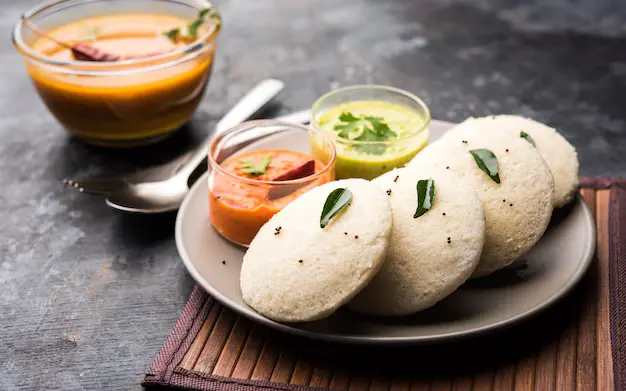
You know idlis, right? Those steamed fluffy bits that taste like clouds—no oil, just pure lightness. Eat them for breakfast, lunch, or a snack—never boring. Slurp with steaming sambar's tang and fresh coconut chutney, and bam, you're full but not stuffed. South India birthed it, but now? Ahmedabad offices, MP train stalls, Delhi homes—all hooked. Sits easy on the gut, yet it's India's go-to anytime khana.
Dosa: South Indian Crispy Culinary Icon
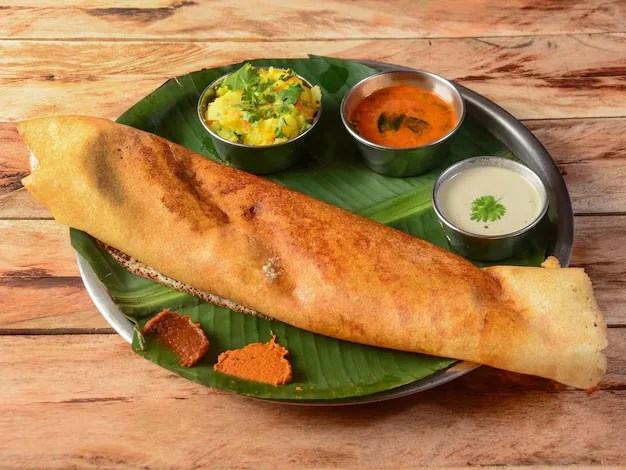
This thin, fermented rice-and-lentil crepe is another South Indian classic that has become a beloved national favorite. Its versatility and vegan-friendly nature have elevated it to a staple dish found in all parts of the country, acting as a bridge between South Indian traditions and North Indian preferences.
FAQs on Dishes That Unite India
1. Why's biryani fought over everywhere in India?
Man, biryani's that one-pot rice-meat party—spicy, layered, and showing up at weddings or 2 AM Swiggy orders. Hyderabadi, Lucknawi, and Kolkata folks all claim their rules, but it pulls families together with those home stories.
2. Chole bhature from where? So why can't I stop eating it?
Punjab-born, now Jaipur-to-Bangalore lines snake through it. Fluffy bhature dunked in masala chickpeas—greasy heaven for lazy Sundays or post-exam binges. Week-long cravings, no lie.
3. Idli-sambar: Why is it such a hit all over?
South India's steamed idlis with sambar tang and chutney are light as air and tummy-friendly. Now Ahmedabad canteens, MP trains, and Delhi homes dig it anytime. No heaviness, just good vibes.