Travel does not feel the same anymore. Not because plans changed or hotels got better, but because people changed. Earlier food during travel was just food. Something you eat between sightseeing sports. Now it is soft in the main reason, people travel and write in the middle of these shift, as one big idea – sustainable food.
When people talk about how sustainable food is transforming Culinary tourism, they are real talking about a mindset change. Travel wants to eat well, yes, but also want to eat fight. They want to know where food comes from. Who grow it. Who cooked it, and whether their money is helping or hurting the place They are visiting. That curiosity is quite reshaping travel all over the world.
What does sustainable food means while travelling?
That is not to overcomplicate this. Sustainable food food, especially in tourism usually means.
- Food grow nearby
- Ingredients are the seasonal
- Few chemicals and shortcuts
- Fair pay for farmers and workers
- Less waste
It does not mean boring meals. It does not mean expensive, vegan – only menus and it definitely does not mean giving up flavour. Most of the time, sustainable food taste matter because it is fresh and local. No long shipping, no freezing for weeks. Just food that belongs to that place.
You may also read :- Culinary Vacations for Singles: What to Expect?
Why travellers are starting to care more about this?
Something shifted after people started travelling again. Travelers begin, asking questions like –
- Why does the dish taste different here?
- Is this recipe actually local?
- Our locals eating this, or this is just for tourist?
- Curiosity changed expectations. Now travellers want
- Local dishes, not international copies
- Small restaurants, instead of chain
- Food with a back story
That is exactly how sustainable food transforming culinary tourism by turning meals into experiences, not just items or the menus.
Food feels more special when it has a story
Let's be honest. A meal tastes different when someone explain it to you. When a chef say – this recipe come from my grandmother. Or a farmer say – we grow this only three months a year. Suddenly, the food is not just a food anymore. It is a memory. Culture. Time. Sustainable food adds meaning and meaning sticks longer than taste.
Farm visit are becoming travel highlights
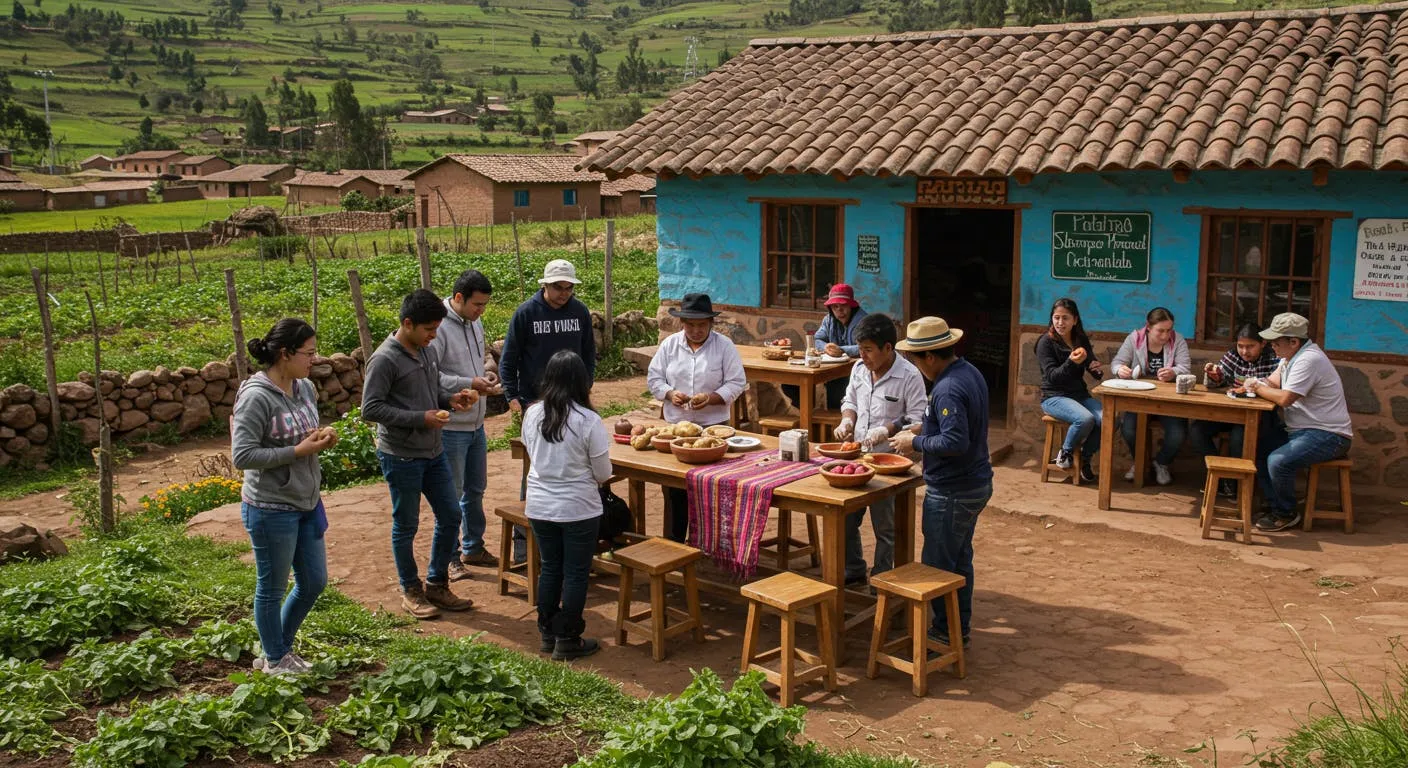
More travellers now plans, a trip around farms. No big industrial farms, national ones. Small places where –
- You see vegetable pulled from the soil
- You made the people who grow them
- You eat meals, right there
- This experiences feel slower. Quieter. More real.
Italy, Japan, Thailand, Mexico, France – many places are leaning into this style of culinary tourism and travellers. Love it because it feels honest. No filters needed.
Local markets are no longer optional stop
The market, just to be a tourist, walked past. Now they must. Why? Because real life.You see–
- What is in season?
- What local eat daily?
- What is cheap?? What is special?
Sustainable culinary tourism encourages travellers to eat what exist, not what is important. That is support the small producer and keeps local food systems alive. And honestly? Market Food is often the best food.
Chef are changing their role
- Chef not just cooking anymore.
- They are explaining.
- They are teaching.
- They are guiding experiences.
- Many sustainable focused chef now
- Work directly with farmers
- Change menus, weekly
- Reduce portion waste
- Keeps menu short
Instead of we serve everything, the message becomes – we serve what makes sense. Travellers respect that.
Food waste is finally being taken seriously
Tourism used to waste insane amount of food. Buffer. Leftover. Over production. Now sustainably is forcing change. More places are:
- Cooking small batches
- Planning menu is better
- Reusing gradient creatively
- Donating extra food
Travellers notice this efforts and they often choose place that so responsibility. It feels good to support businesses that care.
Sustainable food protects local culture
This part is important. When food becomes industrial, culture faces. Traditional recipes disappear. Local ingredients get replaced. Start testing the same. Sustainable food protect that.
Regional disease. Old cooking techniques. Cultural identity. Culinary tourism built around sustainability helps keep petitions, alive – not a museum, but on plates.
Why travelers feels better around these choices?
There is no guilt here. Just awareness. Travellers feel good knowing –
- Their money stays local
- Their meal did not harm the environment
- They supported real people
You still enjoy the trip. You still eat well. You just do it with intention. That balance feels right.
Destinations leading the change
Some places are naturally perfect for sustainable culinary tourism. They already have –
- A strong food tradition
- Local farming
- Community community based tourism
- Place like
- Tuscancy
- Kyoto countryside
- Kerala
- Parts of Bali
- Provence
- Oaxaca
This place did not change for tourist. Tourist change for them.
Is sustainable culinary tourism, perfect?
No. Let be honest. It can means – Few choices, slow service, slightly higher prices and planning ahead. Many travellers accept that. Because they won’t gain – authenticity, connection, meaning, and it is worth it.
How travellers can support these moments?
You do not need to be expert. Just to eat local, ask respectful questions, avoid wasting foods, support a smart places and try seasonal dishes. Small choices added up.
What the future looks like
This is not the trend that will disappear. The future of culinary tourism looks – slower, more thoughtful, more local, and more story driven. Food will continue to be the reason of travel – not just something you do while travelling.
Conclusion
Understanding how sustainable food is transforming Culinary tourism means understanding how people travel today. Travellers want meaning, not just movement. They want connection, not just comfort. Sustainable food brings travel closer to real life. It respect the land, the people
Frequently asked questions
Is sustainable food, boring?
Not at all. It is often more flavourful.
Is it only for luxury travellers?
No. Many sustainable sustainable food experience are affordable.
Does it limit food choices?
It limit unnecessary choices, not good ones.
Our traveller, real demanding this?
Yes – especially younger travellers.
Will this continue growing?
Absolutely. It is already reshaping travel worldwide.