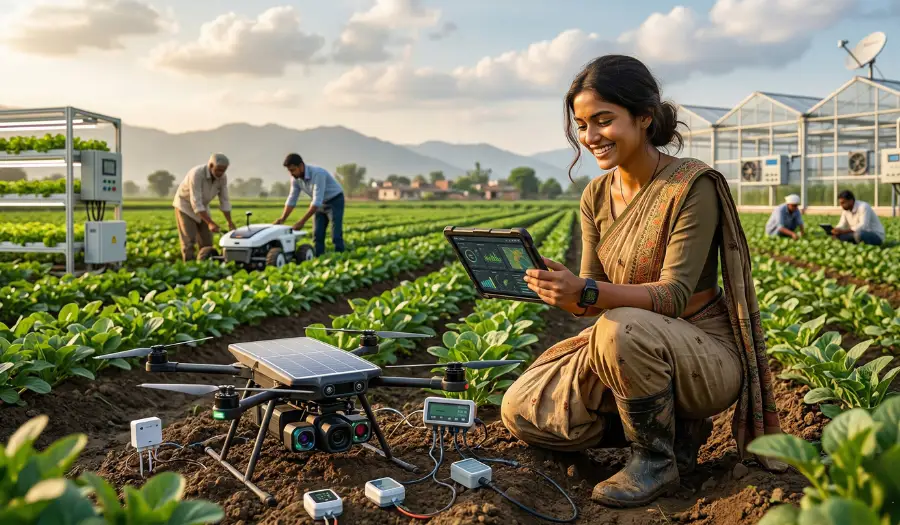
You're standing on your land. You can see it—the new barn that would triple your capacity, the irrigation system that would beat the drought, the herd of a heritage breed you know you could raise better than anyone. You have the plan, the skill, and the dirt under your nails. Then you walk into the local bank. You show them your spreadsheets, your soil tests, your vision. They see a "lifestyle business," a "weather risk," and a balance sheet without twenty years of corporate profits. The loan officer gives you a sympathetic look and a pamphlet for a government program with a two-year waiting list. Your dream gets filed under "someday."
I've watched this scene play out too many times. The traditional ag loan system wasn't built for the modern, diverse, or beginning farmer. It was built for corn-and-soybean scale. But a quiet revolution has been happening in the ditches and hedgerows. It's driven by private farm lenders—individuals and institutions who see land and livestock not just as collateral, but as potential.
This isn't about finding a loan. It's about finding a partner who speaks your language.
The Mindset Shift: From Bank Customer to Business Partner
A bank sees a risk profile. A private farm lender sees a business thesis.
They're often former farmers, agribusiness veterans, or successful individuals who want their capital to work in the tangible world of food and fiber. They're not bound by a rigid committee in a city 300 miles away. They can make decisions based on a handshake, a walk of the land, and a belief in you.
This changes everything. It means they can fund what banks won't:
- First-time farm purchases without a 50% down payment.
- Value-added ventures like on-farm creameries, butcher shops, or CSA expansions.
- Regenerative agriculture transitions that may dip profits for 3-5 years while building soil health.
- Unique livestock or specialty crops that don't fit the commodity loan box.
Who Are These Lenders? The Three Main Types
- The "Angel" Landowner or Retired Farmer
This is the most common and often most flexible source. It's the neighbor who owns the adjacent 40 acres you want to lease-to-own, or the retired dairy farmer with capital from selling their herd.
- How it works: Often a seller-financed or contract-for-deed arrangement. You make payments directly to them, often with a lower interest rate than a bank, and with far fewer closing costs.
- The Advantage: Built-in mentorship. They have a vested interest in your success because they care about the land and the community.
- How to find them: Network, network, network. Go to county extension meetings, soil health workshops, and local cattlemen's associations. Tell your story. You're not begging for money; you're looking for a like-minded partner. Let it be known you're seeking land or capital. The ag community is a grapevine.
- The Mission-Driven Private Lender (The "Slow Money" Movement)
These are organized private funds or individuals who invest with a double or triple bottom line: financial return, plus community revitalization, plus environmental stewardship.
- Examples: Organizations like Iroquois Valley Farmland REIT (which allows investors to buy shares that fund organic farm transitions) or local Revolving Loan Funds (RLFs) managed by non-profits.
- How it works: They offer loans with competitive rates, but their application process involves evaluating your farm plan's ecological and community impact. They often provide technical assistance.
- How to find them: Search for "farmland access loan fund [your state]," "beginning farmer loan fund," or "slow money [your region]." Check with your state's Department of Agriculture—they often list alternative lenders.
- The Farm-Centric Private Credit Company
These are for-profit businesses that have stepped into the gap left by banks. They're more formal than an individual "angel" but more agile than a mega-bank.
- Examples: Companies like Farm Credit Mid-America (part of the larger Farm Credit System, but more flexible than local banks), AgAmerica Lending, or AcreTrader for land-specific investments.
- How it works: They use technology and specialized ag appraisers to underwrite loans based on the actual productivity and potential of the asset (your farm), not just your personal tax returns. They might offer longer amortizations (30+ years for land) or balloon payments that align with farm cash flow cycles.
- How to find them: A straightforward web search for "agricultural real estate lender" or "farm operating loan private lender."
Your Toolkit: How to Be "Private Lender Ready"
You can't just show up with a dream. You need to speak the language of capability. This is what turns a "maybe" into a "yes."
- The Business Plan, Not a Wish List: You need a formal, written business plan. It must include:
- 5-Year Financial Projections: Realistic income, expenses, and cash flow.
- Market Analysis: Who is buying your grass-fed beef? What's the price point? Who are your three main competitors?
- Clear Use of Funds: Exactly what the loan money will buy (e.g., "$45,000 for 50 bred heifers of XYZ breed," "$28,000 for a used Vermeer 605M baler").
- Exit Strategy: How will you repay? Is it from crop sales, livestock sales, or on-farm agritourism?
- The "Skin in the Game" Proof: Private lenders want partners, not dependents. Be prepared to invest your own capital—15-25% is a common expectation. This shows commitment and shared risk.
- Professionalize Your Records: Even if you're just starting, use farm management software (Farmbrite, Granular) from day one. A clean set of books, even if they're simple, shows you're serious and capable of managing the financial side.
- Assemble Your Advisory Team: A private lender will be impressed if you already work with a CPA familiar with ag, a technical advisor from your Extension office, and a mentor farmer. It shows you seek wisdom and aren't going it alone.
The Conversation Starter: How to Approach a Potential Lender
When you find a potential source (a landowner, a fund), your first contact is critical.
Do NOT lead with: "I need a loan."
DO lead with: "I'm a [your type] farmer with a plan to [your specific goal] on [your land/the land you want]. I'm looking for a capital partner who believes in [sustainable agriculture/local food/etc.]. I have a business plan I'd appreciate the chance to discuss with you."
You are presenting an opportunity for them, not a need of yours.
The Reality Check: Understanding the Trade-Offs
Private lending isn't a free-for-all. It has its own contours.
- Interest Rates: Can be slightly higher than a subsidized FSA loan, but often lower than a bank's commercial ag rate.
- Collateral: They may take a lien on the specific asset (the tractor, the livestock) rather than a blanket lien on your entire life.
- Relationship is Everything: This is a two-way street. You'll likely provide regular updates—photos of the new calves, yield reports. They're investing in you as much as the farm.
This model is transforming dreams because it re-humanizes the most fundamental transaction: investing in the people who feed us. It recognizes that the best asset on a farm isn't always the land—it's the farmer's vision, grit, and skill.
Your dream isn't a liability. It's an investment thesis waiting for the right partner to recognize it. Start building your case, and then go find them.
FAQs: Private Farm Lending
What's the difference between a private farm lender and the USDA/FSA?
The Farm Service Agency (FSA) is a government lender of last resort with strict eligibility requirements (e.g., cannot get credit elsewhere), income caps for certain programs, and lengthy application processes. They offer favorable rates and terms. A private farm lender operates without those restrictions, can move faster, and makes decisions based on their own criteria, which often include personal conviction in the borrower's plan. They fill the gap for those who don't qualify for FSA or need more flexibility.
Is seller financing (like a contract for deed) safe for the buyer?
It can be, but you must involve an attorney experienced in agricultural real estate. A Contract for Deed means you make payments to the seller but don't receive the deed until the final payment. You need clear terms on insurance, taxes, what happens if you default, and your "equity" position. It's powerful but requires a solid, formal contract to protect both parties.
What kind of interest rates do private lenders charge?
Rates vary widely based on risk, the lender's goals, and the term. In 2025, expect anything from 5% to 10%+. A seller-financed land loan might be at 4-6%. A mission-driven fund might be 6-8%. A private credit company for an operating loan might be 8-10%. Always compare the total cost of capital, including fees and the flexibility offered.
Do I need perfect credit to work with a private lender?
Not necessarily. While credit is a factor, private lenders often place more weight on the strength of the farm business plan, your experience, and the quality of the underlying asset (land, equipment). They are more likely to look past a past financial stumble if the current proposal is rock-solid and you have clear explanations.
Can I use a private lender to refinance existing high-interest debt?
Absolutely. This is a common and excellent use of private capital. If you have a high-interest equipment loan or credit line with a bank, a private lender may be able to consolidate it into a single loan with a better rate and payment schedule aligned with your farm's cash flow.
How do I protect my farm idea when sharing my business plan?
Use a Non-Disclosure Agreement (NDA). Any reputable private lender or investor will understand and sign a simple, one-page NDA before you share your detailed financial projections and proprietary plans. It's a standard business practice and shows you're professional. If a lender balks at signing one, consider it a red flag.