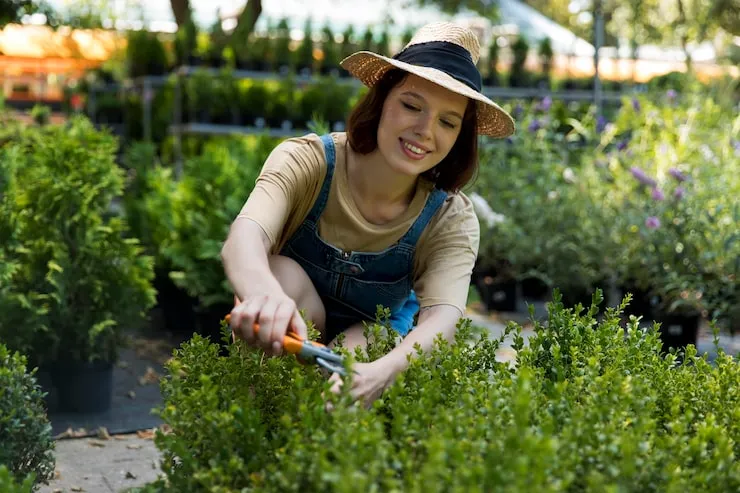
Imagine stepping outside into a yard that is both pretty and practical. A place where colorful flowers bloom next to juicy tomatoes. Where neat paths lead you to baskets full of fresh snacks. This is the magic of blending growing food with great design. It is called vegetable garden landscaping.
This approach turns a simple veggie patch into the star of the backyard. It is about creating a space that feeds the family and pleases the eyes. Let’s explore how to build a productive and beautiful garden.
What is a Vegetable Garden Landscape?
A vegetable garden landscaping plan is more than rows of plants. It is the thoughtful design of an edible garden. The goal is to make it attractive and organized. This method uses design principles usually for flower beds. But it applies them to vegetables, herbs, and fruits.
Think of it as designing an outdoor living room. The plants are the furniture and decorations. Paths are the hallways. Trellises and pots are like shelves and artwork. A well-planned landscaped kitchen garden becomes a joyful part of the home.
Why Try Edible Garden Design?
There are many good reasons to design your veggie garden:
-
It’s Super Pretty: A mix of shapes, colors, and textures looks wonderful.
-
Saves Space: Clever designs like vertical vegetable gardening help grow more in small yards.
-
Healthier Plants: Good design allows for better sun, air flow, and water. This means fewer sick plants.
-
Easier to Care For: Wide paths and raised beds make weeding and harvesting simple.
-
More Fun: A beautiful garden invites you to spend more time in it.
The Ultimate Vegetable Garden Landscaping Guide: Start with a Plan
Every great project starts with a smart plan. Grab some paper and pencils. Sketch your yard. Note where the sun shines longest. This is full sun, perfect for most veggies. Watch where water collects after rain. You want to avoid soggy spots.
Think about how you will get water to the plants. A hose should reach easily. Decide on a style. Do you like clean lines and rectangles? Or soft curves and wild bunches? Your plan is your map to success.
Choosing the Best Garden Layout for Backyards
The layout is your garden's foundation. Here are popular edible landscape ideas:
-
Raised Bed Gardening: Wood or stone frames hold soil. They drain well, warm up fast, and are easy on your back.
-
In-Ground Rows: Traditional and great for large spaces. Use mulch paths to keep it tidy.
-
Container Gardening: Perfect for patios! Grow peppers, lettuce, and herbs in pots.
-
Square Foot Gardening: A grid divides a bed into squares. Plant a different veggie in each one. It’s very efficient.
Designing Your Productive Garden Space
Now for the creative part! A beautiful garden plays with different elements.
Use Color and Texture for Visual Interest
Vegetables are not just green! Add pops of color.
-
Purple: Try ornamental kale, purple bush beans, or eggplant.
-
Red & Orange: Cherry tomatoes, Swiss chard ‘Bright Lights’, and nasturtium flowers.
-
Silver: Artemisia or dusty miller look lovely as a border.
Mix leaf shapes too. Pair feathery carrots with big, round squash leaves.
Adding Structure with Hardscaping and Vertical Features
Hardscaping means the non-plant parts. They give your garden shape.
-
Paths: Use wood chips, gravel, or stone. They keep your feet dry and define spaces.
-
Edging: Bricks, metal strips, or low fences make beds look crisp.
-
Vertical Gardening: Use trellises for climbing plants. Beans, peas, and cucumbers love to climb. This saves tons of ground space.
Companion Planting for a Healthy Garden
Some plants are great friends. They help each other grow. This is called companion planting.
-
Plant marigolds near tomatoes. They can deter pests.
-
Basil next to tomatoes may improve their flavor.
-
Tall corn can give shade to lower lettuce in summer heat.
Selecting Plants for Your Home Vegetable Garden
Choose veggies your family loves to eat. For beginners, start easy. Lettuce, radishes, and zucchini grow fast. Add perennial herbs like rosemary and thyme. They come back every year and smell amazing.
Always check the seed packet. It tells you how much sun and space a plant needs. Group plants with similar thirst together. This makes watering simpler.
Sustainable Gardening Practices
A good garden cares for the earth.
-
Soil Health: Add compost every season. Healthy soil grows healthy plants.
-
Water Conservation: Use soaker hoses or drip irrigation. They water roots, not leaves. Mulch with straw or leaves to keep soil moist.
-
Natural Pest Control: Encourage helpful insects! Plant flowers like cosmos and sunflowers. Ladybugs and bees will visit. They pollinate flowers and eat bad bugs.
Year-Round Edible Landscape Maintenance
A little daily care keeps a garden happy.
-
Check soil moisture with a finger. Water deeply when the top inch is dry.
-
Pick ripe vegetables often. This tells the plant to make more.
-
Pull weeds when they are small. Mulch helps stop weeds from growing.
In fall, clean up old plants. Add more compost. Plant garlic for next summer. In cold areas, cover beds with leaves for a winter blanket.
FAQs About Vegetable Garden Landscaping
Q: Can I landscape a vegetable garden in a small space?
A: Absolutely! Small space gardening thrives with pots, vertical planters, and window boxes. Even a sunny balcony can grow salad greens and herbs.
Q: How do I keep pests away without chemicals?
A: Try strong-smelling herbs like mint or garlic. Hand-pick big bugs. Use nets to cover plants like cabbage. Healthy soil also makes plants strong against bugs.
Q: What are the easiest vegetables for a beginner's landscape?
A: Great starters are leaf lettuce, bush beans, cherry tomatoes, radishes, and zucchini. They grow quickly and give a tasty reward.
Q: How much time does it take to maintain?
A: Just 15-20 minutes a day can do a lot. Water, check plants, and pick veggies. It’s a relaxing break, not a chore.
Expert Insight
We asked garden designer, Maria Rodriguez, for her top tip:
“The most successful edible garden designs start with observation. Spend a week just watching the sun and wind in your yard. Place your tallest plants on the north side so they don’t shade shorter ones. This simple step makes a huge difference in your harvest.”
Final Thoughts
Vegetable garden landscaping is a rewarding journey. It combines the joy of growing food with the art of design. Start small. Maybe with one raised bed or a few containers. Learn what works in your space. Each season brings new lessons and delicious rewards.
Remember, the best garden is the one that brings you happiness. A space that looks good, feels good, and tastes even better. Grab your shovel, let your creativity grow, and build the garden of your dreams. Your backyard adventure awaits