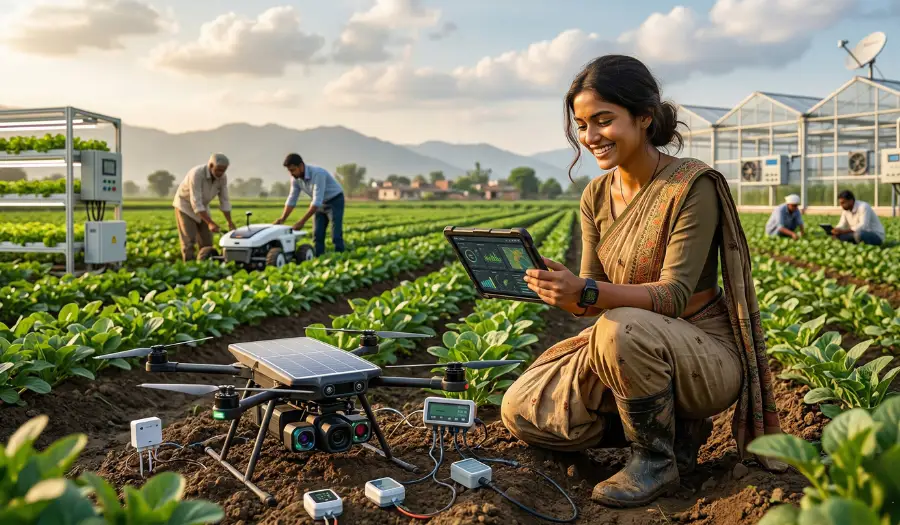
Communities across the globe are awakening to the urgent need for sustainable living. Climate change, air pollution, and dwindling green spaces are no longer distant threats—they are challenges communities face daily. Amid these environmental pressures, towns and small cities have a unique opportunity to become leaders in sustainability, setting examples for larger urban centers. And the secret? A strategic focus on green infrastructure, community-led initiatives, and innovative environmental planning that transforms everyday spaces into eco-friendly, vibrant hubs of life. This article explores how towns can adopt a secret green strategy to create healthier, more sustainable, and more connected communities today.
Understanding the Power of Green Strategies
When most people hear “green strategy,” they think of recycling programs, tree planting, or solar panels. While these initiatives are important, a truly transformative green strategy goes beyond isolated efforts—it integrates environmental thinking into the very fabric of a town’s design, operations, and culture.
Green strategies focus on:
-
Reducing environmental impact: Lowering emissions, pollution, and waste.
-
Enhancing biodiversity: Preserving and restoring natural habitats.
-
Fostering community well-being: Creating spaces that encourage outdoor activity, mental wellness, and social interaction.
-
Supporting economic resilience: Encouraging green businesses and sustainable tourism.
The most successful approaches are holistic, involving collaboration between town planners, local governments, businesses, and residents. This integrated mindset ensures that environmental improvements are long-lasting and impactful.
The Secret Green Strategy: Nature-Based Urban Transformation
The “secret” green strategy that has revolutionized towns worldwide is the adoption of nature-based urban transformation. At its core, this approach leverages natural elements—trees, parks, waterways, and green roofs—to solve urban challenges while improving quality of life. Unlike traditional environmental projects that focus on isolated solutions, nature-based strategies integrate ecological systems into infrastructure and planning.
Some key principles include:
-
Urban Green Corridors: Connecting parks, rivers, and gardens with green pathways encourages walking, cycling, and wildlife movement. These corridors reduce urban heat, improve air quality, and promote a healthier lifestyle.
-
Rainwater Management Systems: Instead of relying solely on pipes and concrete drains, green strategies incorporate bioswales, rain gardens, and permeable pavements that absorb rainwater, prevent flooding, and recharge groundwater.
-
Energy-Efficient and Green Buildings: Towns can incentivize solar panels, green roofs, and energy-efficient construction. Buildings become living entities that reduce carbon footprints and lower energy costs for residents.
-
Community Gardens and Urban Agriculture: Transforming vacant lots into gardens not only produces fresh food but also fosters social cohesion, education, and community pride.
-
Pollinator Pathways: Encouraging bees, butterflies, and other pollinators through green spaces ensures biodiversity, supports agriculture, and maintains ecological balance.
By embedding these practices, towns don’t just become greener—they become smarter, healthier, and more resilient to climate challenges.
Benefits That Go Beyond the Environment
Implementing a secret green strategy has far-reaching benefits that extend beyond traditional environmental metrics.
1. Improved Public Health
Green spaces have been scientifically proven to improve mental and physical health. Walking, jogging, or simply spending time in parks reduces stress, lowers blood pressure, and enhances mood. Communities with access to greenery report fewer lifestyle-related illnesses and stronger overall wellness.
2. Economic Growth
Eco-friendly towns attract businesses, tourism, and investments. Green strategies can reduce operational costs for municipalities, increase property values, and stimulate local employment through green construction and maintenance projects. Tourists often seek towns with picturesque green landscapes, contributing to local revenue streams.
3. Social Cohesion
Community gardens, green rooftops, and parks foster social interaction. Residents come together to plant trees, maintain gardens, or participate in environmental workshops, strengthening community bonds and promoting civic engagement.
4. Climate Resilience
Nature-based infrastructure helps towns withstand extreme weather events. Trees and wetlands absorb excess rainfall, reduce flooding, and cool urban heat islands. As climate patterns become more unpredictable, these features provide crucial resilience.
5. Educational Opportunities
Green strategies transform towns into living classrooms. Schools and local organizations can teach children and adults about sustainability, ecology, and urban planning, nurturing the next generation of environmentally conscious citizens.
How to Implement the Secret Green Strategy in Your Town
While the benefits are clear, the question remains: how can towns practically adopt this strategy? Here’s a step-by-step guide:
Step 1: Assess the Current Landscape
Start by evaluating your town’s environmental assets and challenges. Identify vacant lots, underused streets, flood-prone areas, and spaces that could benefit from greenery. Assess existing parks, waterways, and biodiversity levels to understand where improvements are most needed.
Step 2: Engage the Community
Successful green strategies rely on community buy-in. Host town hall meetings, workshops, and online forums to involve residents in decision-making. Gather ideas, address concerns, and inspire collective ownership of the initiative.
Step 3: Develop a Holistic Plan
Combine urban planning with ecological insights. Collaborate with landscape architects, environmental scientists, and city planners to create a comprehensive strategy. This plan should include green corridors, stormwater management, energy-efficient infrastructure, and biodiversity enhancements.
Step 4: Secure Funding and Partnerships
Funding is crucial for sustainability projects. Explore grants, private partnerships, and government programs that support green initiatives. Local businesses may be interested in sponsorship opportunities, while environmental NGOs can provide expertise and resources.
Step 5: Start Small, Scale Gradually
Begin with pilot projects that demonstrate visible impact. Transform a single street into a green corridor, develop one community garden, or install a rainwater management system in a key area. Successes build momentum and support for larger initiatives.
Step 6: Measure and Adapt
Track the impact of your initiatives using measurable indicators such as air quality, biodiversity counts, energy savings, and community engagement levels. Continuous monitoring allows adjustments, ensuring the town’s strategy remains effective and relevant.
Real-Life Examples of Towns That Transformed
Several towns worldwide have successfully implemented nature-based green strategies, proving that transformation is possible anywhere:
-
Portland, Oregon: Portland’s green streets program transformed city streets into stormwater-absorbing, pedestrian-friendly pathways. The program reduced flooding and improved local biodiversity while making the city more walkable.
-
Freiburg, Germany: Freiburg integrated solar energy, green roofs, and sustainable transportation to become a model green town. Its focus on renewable energy and eco-friendly urban planning has attracted residents and businesses committed to sustainability.
-
Singapore: Known as a “City in a Garden,” Singapore transformed urban spaces into lush, green environments. Rooftop gardens, vertical greenery, and extensive park systems showcase how urban centers can merge growth with nature.
-
Boulder, Colorado: Boulder’s community-led green initiatives, including extensive bike paths, urban forests, and water conservation programs, have made it a pioneer in combining community well-being with environmental stewardship.
These examples demonstrate that towns of all sizes can embrace green strategies to improve quality of life, economic vitality, and environmental health.
Overcoming Common Challenges
Implementing a secret green strategy is not without obstacles. Common challenges include funding constraints, public skepticism, and logistical difficulties. However, these can be overcome with strategic planning and communication:
-
Funding Constraints: Utilize grants, corporate sponsorships, and public-private partnerships to finance projects. Highlight long-term savings from energy efficiency, reduced flooding, and improved public health.
-
Public Skepticism: Educate the community on benefits using workshops, demonstrations, and pilot projects. Showcase measurable results to win trust and support.
-
Maintenance Issues: Green spaces require care. Develop community volunteer programs and partnerships with local businesses or schools to assist with upkeep.
-
Policy Barriers: Advocate for policy changes at the local government level to support zoning, green building incentives, and environmental regulations that facilitate the strategy.
The Role of Technology in Green Transformation
Technology is a powerful ally in implementing green strategies. Smart sensors, GIS mapping, and data analytics allow towns to monitor water usage, air quality, and vegetation health in real-time. Digital platforms facilitate community engagement, enabling residents to participate in environmental initiatives, report issues, and track progress.
Drone technology can assist in planting and surveying large areas efficiently, while AI can predict the environmental impact of urban development projects. By integrating technology, towns can make informed decisions and maximize the impact of green initiatives.
A Vision for the Future
Imagine a town where every street is lined with trees, rainwater is captured and reused, rooftops are covered with gardens, and parks teem with biodiversity. Residents walk or cycle to work through green corridors, children learn about sustainability in community gardens, and local businesses thrive alongside environmentally conscious practices.
This is not a distant dream—it is achievable today with the right strategy. The secret green strategy empowers towns to transform into resilient, vibrant, and sustainable communities that improve life for every resident.
Conclusion
The secret green strategy is not just about planting trees or installing solar panels—it’s about reimagining the way towns function, grow, and interact with nature. By integrating ecological systems, community engagement, and innovative technology, towns can create healthier, more resilient, and more vibrant environments.
Communities that embrace this strategy benefit from improved public health, economic growth, social cohesion, and climate resilience. Real-world examples from around the world demonstrate that transformation is possible, regardless of a town’s size or resources.
Every town has the potential to become a model of sustainability. By starting today, communities can unlock the hidden power of green infrastructure, inspire residents, and leave a lasting legacy for future generations. The secret green strategy is not just a tool—it is a movement that empowers towns to thrive while protecting the planet.
The time for action is now. Transform your town, embrace this strategy, and watch as your community flourishes into a sustainable, vibrant, and life-affirming place for all.