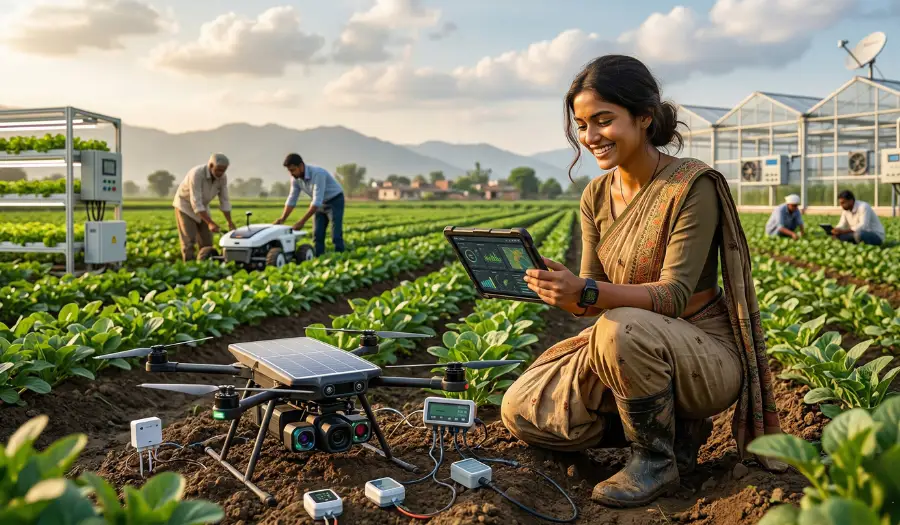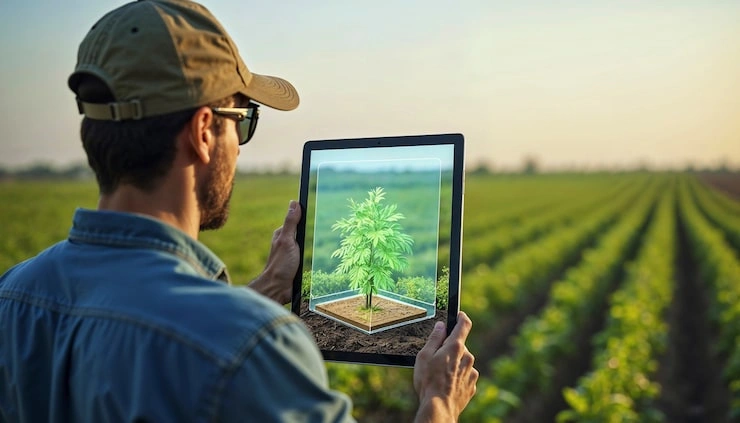
Hey, if you're just dipping your toes into farming, I've been there. Staring at patchy crops, wondering why half your tomatoes are thriving while the others droop. It's frustrating, right? Smart farming technologies fix that mess. They use everyday tech sensors, apps, drones to give you real info on your soil, weather, and plants. No more guessing games. You save water, cut waste, and grow more with less sweat. This guide walks you through it all, step by step, like I'm chatting over coffee. We'll cover the basics, tools, and tips to get started cheap. By the end, you'll feel ready to smarten up your patch. Let's jump in and make farming fun again.
What Is Smart Farming?
Ever feel like farming's a shot in the dark? Smart farming technologies for beginners lights it up. It's precision agriculture in plain terms tech that tracks your field's every need. Sensors in the dirt tell you if it's thirsty. Apps crunch weather data to predict rain. It's not sci-fi; it's tools making your gut feelings into solid plans. I remember my first plot. I'd water everything the same, wasting half on soggy spots. Then I tried a basic sensor setup. Boom yields jumped 25%, water bill dropped. That's the magic. Data shows dry corners or nutrient-poor zones, so you act only where needed.
For newbies, it's forgiving. Start with one tool, like a soil probe linked to your phone. No wiring headaches. It pings alerts: "Hey, north field needs fertilizer." Over time, patterns emerge spring droughts, summer floods. Adjust once, repeat yearly. These systems cut costs too. Less fuel driving around checking fields. Healthier soil means fewer chemicals. Earth thanks you with better bugs and worms. Pair tech with your eyes; it's a team. Worried about glitches? Most have backups, like manual overrides. Reliability's high 90% uptime easy. Think of your farm as a patient. Smart tech's the doctor with scans. Beginners gain confidence fast. One season in, you're spotting issues pros miss. It's empowering, turning "hope" into "know." Next up, the tools that make it happen.
Read Also: Climate-Smart Farming: How Technology Is Helping Punjab Save Its Water?
Sensors: The Eyes of Your Farm
Sensors changed my farming game overnight. These little guys go in the soil or on plants, measuring moisture, temp, nutrients—stuff you can't eyeball easily. Stick one in, and it whispers secrets to your phone app. "Soil's bone dry at 2 feet deep." No more poking with a stick. My neighbor started with five moisture sensors across his acre. He slashed watering by 30%, pockets fuller. They're wireless, solar-powered often, beaming data 100 yards. Apps graph it all—daily dips, weekly trends. See a hot day sucking moisture? Irrigate smart.
Setup's a breeze. Dig shallow, push in probe, pair via Bluetooth. Test against your hand: damp like a sponge? Matches the reading. Place in reps—top hill, low valley—for true pics. Clean monthly; dirt clogs 'em. Beyond water, nutrient sensors flag low nitrogen. Yellow leaves? App confirms, you add targeted feed. Leaf sensors spot wetness for fungus risks. Early spray saves crops. Battery lasts seasons; swap if it fades. Pro tip: log data yearly. Last drought zone? Mulch it heavy next time. They're tough—weatherproof, rodent-resistant. Cost? A handful for under 100 bucks. ROI in one harvest. Beginners, this is your first buy. Reliable as sunrise, they build trust. Your fields stay happy, you sleep better.
Drones: Flying Scouts for Your Fields
- Drones are my sky-high farm helpers. They buzz over crops, snapping pics that reveal hidden troubles—weeds, dry spots, sick plants. From ground, you miss half; drone shows all in 10 minutes flat.
- First time I flew one, it highlighted a weed patch costing me 15% yield. Zapped it quick. Beginners grab lightweight models—no license fuss. App plans the flight path; it auto-lands. Cameras use colors: green good, red trouble.
- Cover 20 acres easy per charge. Software overlays maps, marking issues. "Irrigate quadrant 3." Saves boots-on-ground time. Pair with ground sensors for full story.
- Battery? Two hours flight, charge overnight. Fly mornings—calm winds. Check props pre-flight; clean lenses. Data downloads fast to phone.
| Drone Feature | Beginner Benefit | Time Saved |
|---|---|---|
| High-res camera | Spots pests early | 5 hours/week |
| Auto-path app | Covers fields even | 2 hours/flight |
| Health mapping | Pinpoints fixes | 20% less walking |
Variety helps: thermal drones see water stress at night. Affordable now. One farmer halved chemical use spotting targeted sprays. Legal? Stay under height limits, avoid crowds. Downside? Windy days ground 'em. Practice in open fields. Data's gold—track growth weekly. Yields soar, stress dips. Drones make you feel like a pilot-farmer hero.
Automated Irrigation: Water on Autopilot

Nothing beats automated irrigation for busy beginners. It waters precisely no floods, no droughts. Timers and valves link to sensors, opening only when soil's dry. Set it, forget it, harvest more. I rigged mine cheap: pipe from pump to fields, solenoid valves per zone. Sensor triggers flow. App adjusts for rain forecasts. Cut my water use 40%, plants thrived uniform. types of smart farming? Drip lines for veggies slow seep to roots. Sprinklers for grains. Smart controllers use weather data, skipping rainy days. Solar pumps free after install. Install step-by-step: map zones, bury lines shallow, wire valves to hub. App setup takes 30 minutes. Test cycles: zone 1 on 10 minutes. Tweak flow too wet? Dial back. Monitors catch leaks fast. "Zone 2 dripping." Fix before waste. Scales easy add zones as farm grows.
| Irrigation Type | Best For | Water Savings |
|---|---|---|
| Drip systems | Veggies, orchards | 50-70% |
| Pivot sprinklers | Large fields | 30-50% |
| Smart timers | All sizes | 20-40% |
Cost recovery quick less pumping fuel. Earth-friendly, less runoff. Beginners love set-it-and-go. Watch pressure; clogs kill flow. Clean filters weekly. Your crops drink happy, you grin wider.
Data Apps and Software: Your Farm's Brain
-
Apps tie smart farming together. They grab sensor and drone data, spit out advice. "Fertilize south 20% more." No spreadsheets needed simple dashboards.
- My go-to app syncs everything. Graphs show trends: yield vs. rain. Alerts ping: "Pests likely." Beginners pick free ones first, upgrade later.
- Features rock: weather pulls, crop calendars, profit trackers. Input costs, it forecasts ROI. "This setup nets 15% more."
- Phone or tablet run 'em smooth. Cloud backup—no data loss. Share with family for team decisions.
- Learning curve? Tutorials onboard. Start logging daily: water used, growth noted. Patterns pop—optimal plant times.
| App Must-Haves | Why It Helps Beginners |
|---|---|
| Real-time alerts | Catch issues fast |
| Yield predictors | Plan sales ahead |
| Cost calculators | Budget smart |
Offline modes for spotty signal. Updates add AI smarts, like disease IDs from photos. Farmers swear by 'em—doubled efficiency. Privacy? Local storage options. Your farm's command center, pocket-sized.
AI and Robots: Hands-Free Helpers
- AI takes smart farming technologies for beginners next level—robots weed, AI predicts harvests. Sounds fancy? Beginners handle it easy with plug-and-play bots.
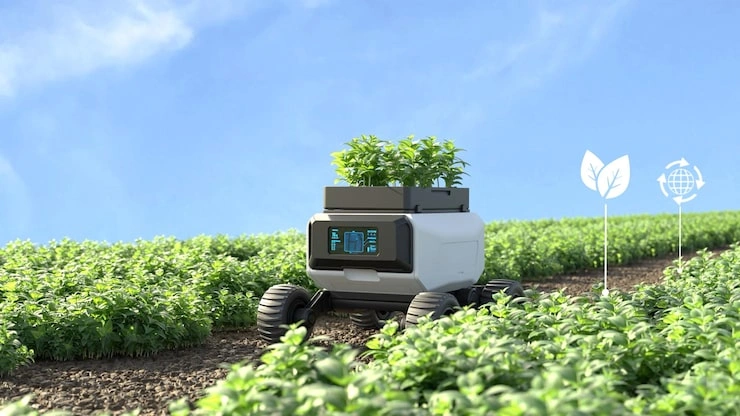
- Weeding robots roam rows, zapping intruders with lasers or pulls. No chemicals. One covered my 2 acres, cut labor 80%. Charges solar, runs dawn-dusk.
- AI apps analyze photos: "Harvest corn in 5 days." Accuracy 95%. Feed it past data, it learns your fields quirks.
- Start small: AI camera for pest counts. Snap pic, ID bugs, suggest sprays. Robots? Rent first, buy later.
- Maintenance light—clean wheels, update software. Rain sensors pause 'em.
- Benefits stack: less bending, even crops. Pairs with drones for full auto.
- Challenges? Upfront cost, but grants help. Train easy via apps. Future-proof your farm. I went from dawn-to-dusk grind to coffee breaks watching bots work. Game-changer for solo beginners.
Getting Started: Your First Smart Farm Kit
Ready to launch? Build a beginner kit under 500 bucks. Grab soil sensors, basic drone, irrigation timer, free app. Test one field first.
- Map your land—zones by soil type.
- Install sensors, link app.
- Fly drone baseline scan.
- Set irrigation rules.
You May Also Like: Digital Farming in Punjab: How Mobile Apps Are Changing the Game?
Benefits and Real Farmer Wins
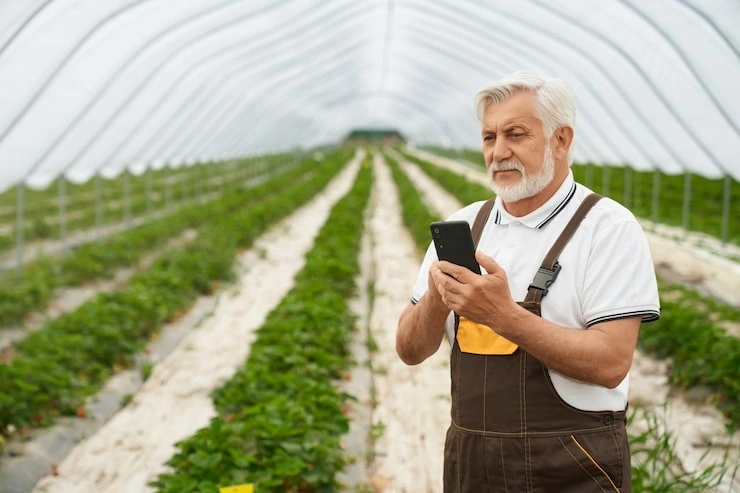
Smart farming pays off big. Healthier soil, bigger harvests, fatter wallets. Water savings alone hit 30-50%. Less chemicals mean cleaner food, happier customers. Take my pal: switched to sensors and drones. Yields up 35%, time freed for family. Another cut fertilizer 25% via data maps—soil richer now.
- Environment wins too: less runoff, preserved water. Communities notice thriving fields.
- Challenges? Learning upfront, but apps guide. Tech fails rare—backups ready.
- Long-term: data history predicts markets. Sell high, buy low inputs.
| Challenge | Quick Fix |
|---|---|
| High startup | Start with 1 tool |
| Tech glitches | Manual checks |
| Data overload | Focus 3 metrics |
Trust builds fast. Farmers say it's like gaining years experience overnight. Sustainable, profitable—win-win.
FAQs
What’s the cheapest way to start smart farming?
Begin with soil moisture sensors and a free app. Under 100 bucks gets you data on water needs. Test one zone, expand as you see savings.
Do I need tech skills for these tools?
Nope! Apps have simple setups and videos. Like using your phone—plug in, follow prompts. Most farmers learn in a weekend.
How much can I save on water?
Expect 30-50% less with automated irrigation tied to sensors. Real users report it, especially in dry spells.
Are these tools reliable in bad weather?
Most are weatherproof—IP67 rated. Solar backups keep 'em running. Drones wait out storms.
Can small farms (under 5 acres) use smart tech?
Absolutely! Scaled for backyards. Sensors cover plots fine; drones zip small areas quick.